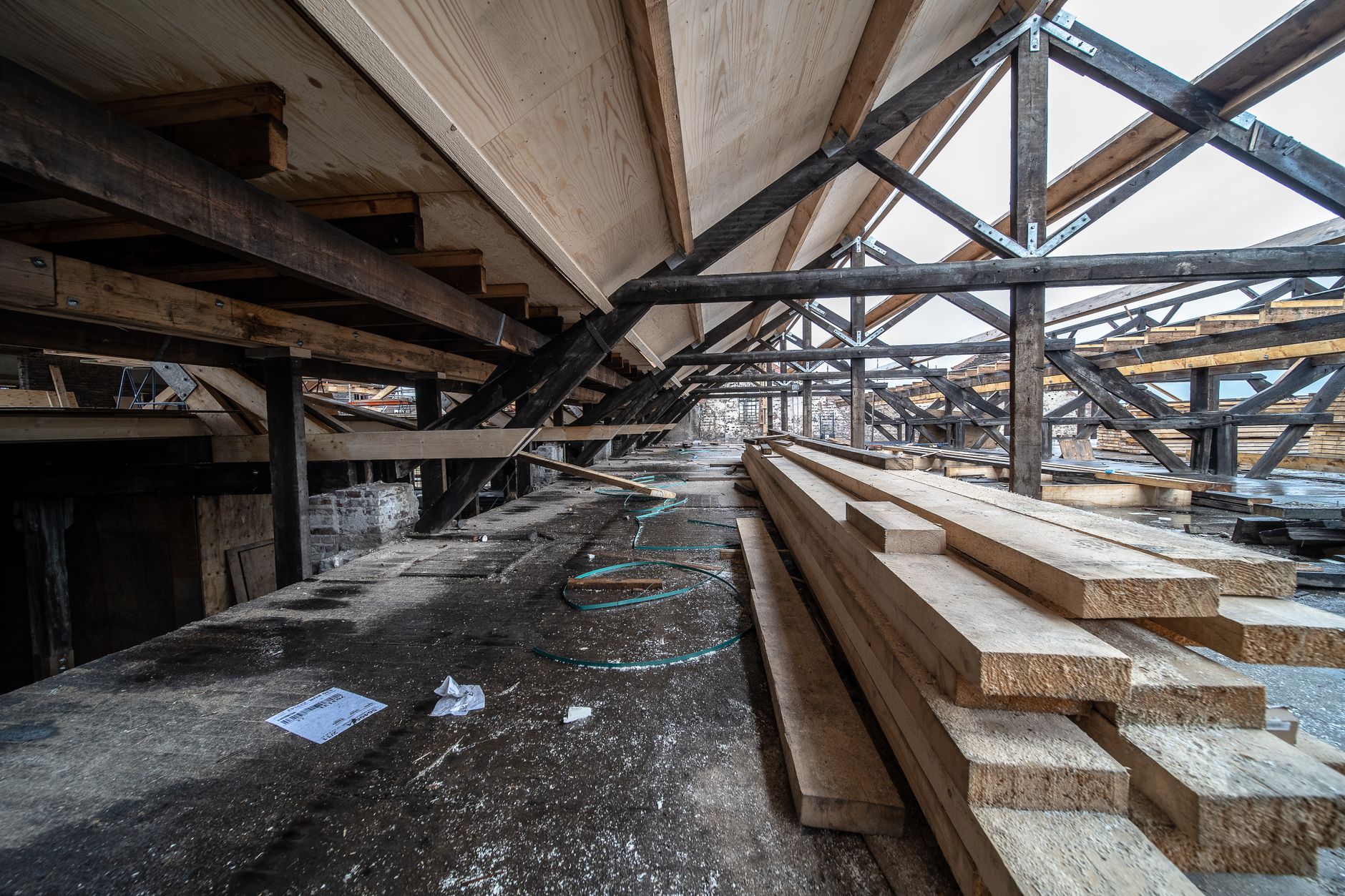
Why Is My Loft So Cold?
If your loft is consistently cold, even when your heating system is running, it's likely due to inadequate insulation, air leaks, or inefficient HVAC systems. Understanding the root causes can help you take targeted steps to improve your home's thermal performance.
Common Causes of a Cold Loft
Several factors can contribute to a cold loft, including:
- Inadequate Insulation: Poor insulation in the attic allows heated air to escape, making the space feel colder.
- Air Leaks: Gaps around windows, doors, and other openings create drafts and force the heating system to work harder.
- Inefficient HVAC Systems: Aging equipment or poor maintenance can exacerbate the problem.
Understanding Heat Loss
Heat naturally rises, so poorly insulated attics allow heated air to escape through the roof. This can make the space feel colder than it should, even when the heating system is running. Additionally, poorly insulated walls can create cold spots.
Windows, especially single-pane or those with failing seals, can account for up to 30% of heat loss in a home. Proper insulation can reduce heating and cooling costs by up to 15%.
Solutions to Improve Loft Insulation
To address these issues, consider the following solutions:
- Professional Energy Audit: Start with a professional energy audit to identify specific areas of heat loss.
- Upgrade Insulation: Upgrading insulation, such as blown-in fiberglass or injection foam, can significantly improve thermal performance.
- Seal Air Leaks: Address air leaks around windows, doors, and other openings to prevent drafts and improve energy efficiency.
- Maintain HVAC Systems: Regular HVAC maintenance, including monthly filter changes and annual professional inspections, ensures the system operates efficiently.
- Replace Windows: Consider replacement windows, which can significantly improve energy efficiency.
Long-Term Savings and Comfort Benefits
Improving insulation and addressing heat loss can lead to long-term savings and increased comfort. Modern insulation solutions can reduce heating and cooling costs by up to 15% and create more consistent temperatures throughout the home.
Professional installation is essential to ensure proper coverage and effectiveness. While some air sealing can be a DIY project, addressing hidden leaks requires expertise.
Regulatory Considerations
Building codes and energy efficiency standards may vary by region. Homeowners should consult local regulations when planning upgrades. Some regions offer rebates or incentives for energy-efficient insulation and HVAC improvements.
| Issue | Solution |
|---|---|
| Inadequate Insulation | Upgrade insulation with blown-in fiberglass or injection foam |
| Air Leaks | Seal gaps around windows, doors, and other openings |
| Inefficient HVAC Systems | Regular maintenance and professional inspections |
| Old Windows | Consider replacement windows for improved energy efficiency |
Looking to improve your loft's insulation and thermal performance? Contact our team for a free, no-obligation home assessment.
Assessing Long-Term Energy Savings
When investing in home upgrades, initial installation costs are only part of the equation. Homeowners must weigh upfront expenses against long-term utility bill reductions, thermal performance gains, and potential property value increases.
Material Quality and Durability Standards
Choosing high-performance materials—such as energy-efficient window glazing, advanced insulation fibers, or weather-resistant roofing—ensures structural longevity and minimizes ongoing maintenance overhead.
Assessing Professional Installation vs. DIY
While minor cosmetic updates can be handled independently, major efficiency retrofits require specialized expertise. Professional installation ensures compliance with local building codes and protects manufacturer warranties.
Project Timelines and Weather Windows
Home improvement schedules vary based on project scope and seasonal conditions. Proper planning ensures that exterior renovations or weatherproofing initiatives are completed efficiently without disrupting daily routines.
Maximizing Rebates and Financing Incentives
Many regional and federal programs offer tax credits or rebates for energy-efficient home upgrades. Evaluating these financial incentives early can significantly offset total project costs.
Warranty Coverage and Quality Assurance
Reliable service providers back their installations with comprehensive workmanship guarantees and manufacturer warranties, giving homeowners long-term peace of mind.
Ultimately, a successful home improvement project should enhance your property's daily comfort, boost energy efficiency, and provide long-lasting value for years to come.