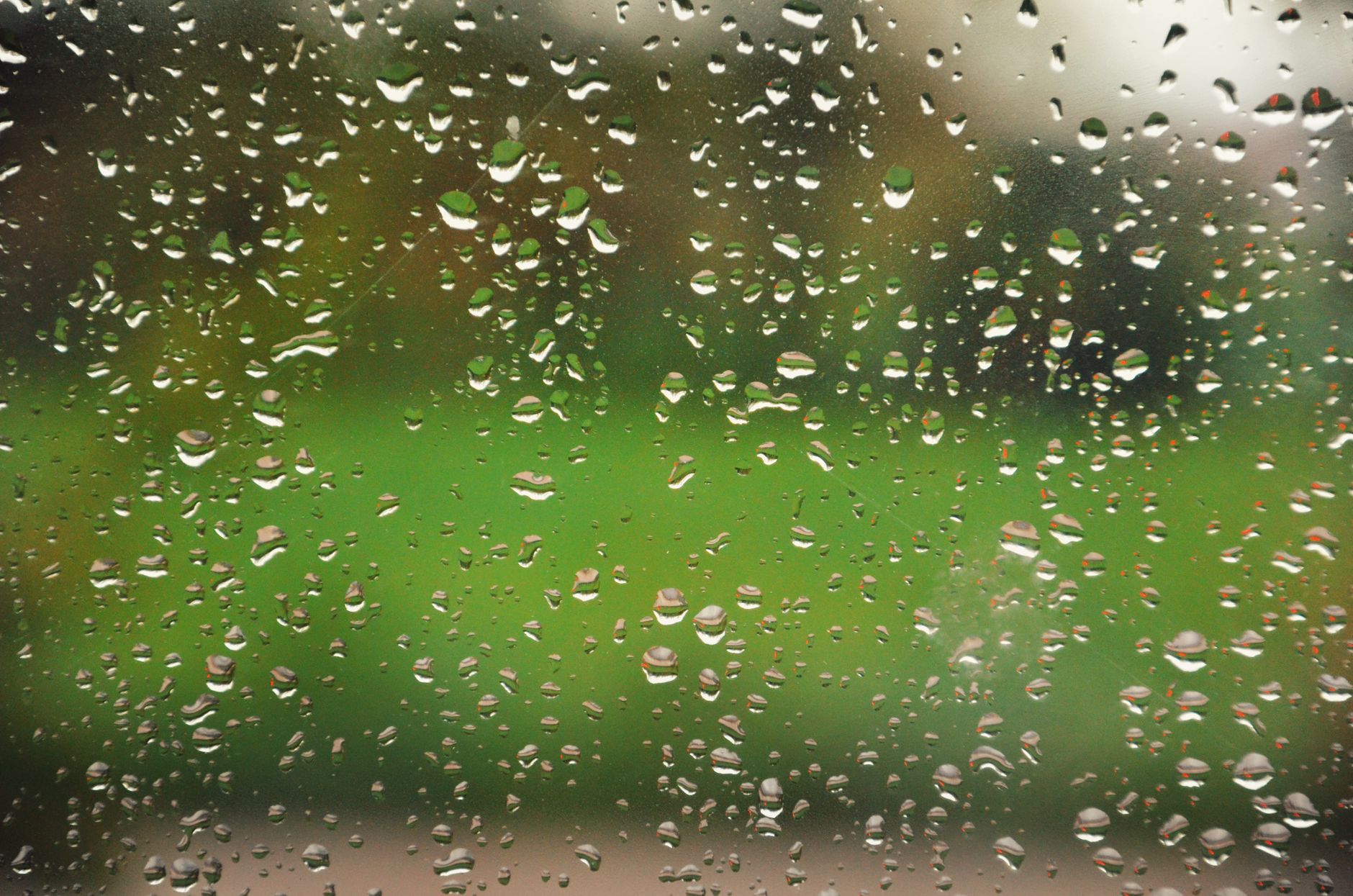
Condensation is a common issue in many homes, often overlooked as a minor inconvenience. However, it poses significant risks to both the structural integrity of your property and the health of its occupants. When warm, moist indoor air comes into contact with cooler surfaces, such as windows, walls, or foundations, it can condense into water droplets. This excess moisture creates an ideal environment for mold, mildew, and dust mites, which can silently erode your home from within.
Studies show that sustained humidity levels above 65% for as little as two days can trigger mold growth. While mold is often visible on windowsills and walls, it frequently remains hidden in less accessible areas like concrete basements and behind ceilings. The inhalation of airborne mold spores can aggravate asthma, trigger allergies, and cause other respiratory problems. Areas like garages are particularly vulnerable due to poorer insulation and ventilation, leading to increased condensation that can foster mold and cause corrosion of vehicles and stored items.
Beyond health implications, untreated dampness poses a considerable risk of structural damage. Continuous moisture can lead to the warping and rotting of wood and plaster, progressively weakening critical timber components within the home, including roof trusses, attic framing, and wall studs. For instance, even a small, consistent roof leak can introduce significant moisture into the home's structure, compromising its integrity and potentially leading to extensive water damage or, in severe cases, structural failure.
Mitigating these risks requires proactive measures focused on moisture control and home maintenance. Essential prevention strategies include ensuring adequate ventilation through regular window openings and the use of exhaust fans in high-moisture areas like kitchens and bathrooms. Upgrading to high-quality insulation and installing effective vapor barriers are crucial steps to prevent internal warm air from condensing on cold exterior surfaces. External home maintenance, such as cleaning gutters, sealing gaps around windows and doors, and directing rainwater away from the foundation, are also vital to prevent moisture intrusion. Dehumidifiers are effective in managing indoor humidity, particularly in basements or areas with limited natural ventilation. Regular and thorough cleaning, including the use of mold-specific cleaners, HEPA vacuuming, and air purifiers, can help remove existing mold and prevent spore dispersal. Finally, prompt identification and repair of leaky pipes, roofs, or faucets are fundamental to eliminating persistent moisture sources. For significant mold infestations, professional remediation is recommended to ensure complete and safe removal.
| Humidity Level | Risk of Mold Growth |
|---|---|
| Below 65% | Low risk |
| 65-75% | Moderate risk |
| Above 75% | High risk |
By addressing condensation comprehensively, homeowners can protect their property's value, enhance indoor air quality, and ensure lasting structural integrity. Regular monitoring of humidity levels and proactive maintenance can significantly reduce the risks associated with condensation. If you suspect condensation issues in your home, consider consulting with a professional to assess and address the problem effectively.
Consult a professional to assess condensation risks.
Assessing Long-Term Energy Savings
When investing in home upgrades, initial installation costs are only part of the equation. Homeowners must weigh upfront expenses against long-term utility bill reductions, thermal performance gains, and potential property value increases.
Material Quality and Durability Standards
Choosing high-performance materials—such as energy-efficient window glazing, advanced insulation fibers, or weather-resistant roofing—ensures structural longevity and minimizes ongoing maintenance overhead.
Assessing Professional Installation vs. DIY
While minor cosmetic updates can be handled independently, major efficiency retrofits require specialized expertise. Professional installation ensures compliance with local building codes and protects manufacturer warranties.
Project Timelines and Weather Windows
Home improvement schedules vary based on project scope and seasonal conditions. Proper planning ensures that exterior renovations or weatherproofing initiatives are completed efficiently without disrupting daily routines.
Maximizing Rebates and Financing Incentives
Many regional and federal programs offer tax credits or rebates for energy-efficient home upgrades. Evaluating these financial incentives early can significantly offset total project costs.
Warranty Coverage and Quality Assurance
Reliable service providers back their installations with comprehensive workmanship guarantees and manufacturer warranties, giving homeowners long-term peace of mind.