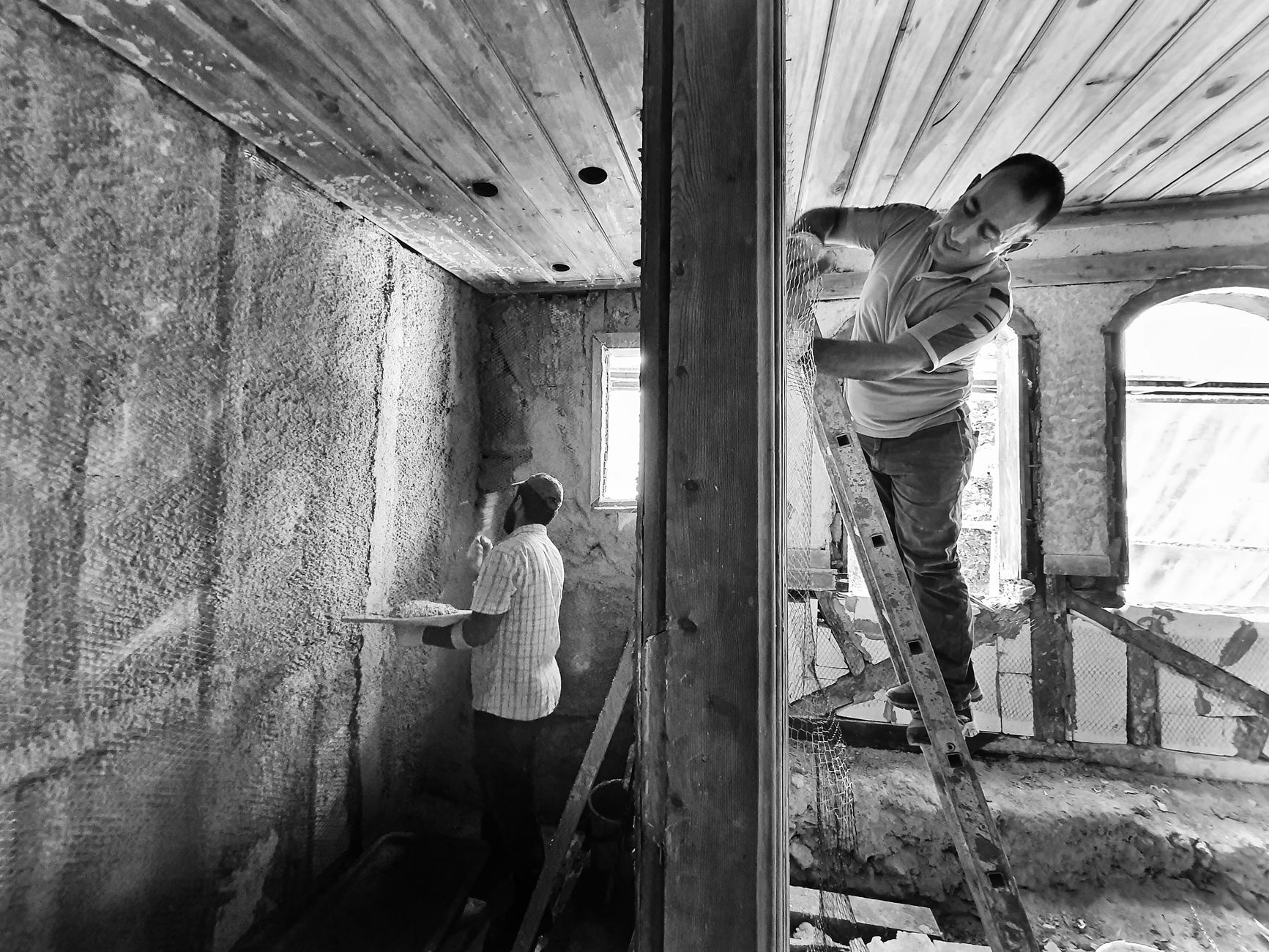
Old houses possess unique charm and architectural character, but they frequently come with the challenge of outdated energy efficiency. This often leads to higher utility bills and reduced indoor comfort. For homeowners and property managers looking to improve these venerable structures, a strategic approach to energy efficiency not only enhances living quality but also significantly boosts property value and durability.
Addressing the energy performance of an older home requires a methodical approach, starting with identification of the primary issues and progressing through targeted upgrades. The goal is to create a more comfortable, cost-effective, and environmentally friendly residence without sacrificing its historical integrity.
The Crucial First Step: A Professional Home Energy Audit
The journey toward an energy-efficient old home typically begins with a professional home energy audit. This serves as a crucial diagnostic tool, much like a health check-up for your house. An auditor uses specialized equipment, such as thermal cameras to detect heat loss and blower door tests to measure air leakage. The audit pinpoints specific areas of heat loss, air infiltration, and inefficient systems that might otherwise go unnoticed.
The comprehensive report generated by an energy audit provides a clear roadmap for improvements, prioritizing upgrades based on their potential impact and cost-effectiveness. Identifying these key problem areas can reveal a substantial 15-30% energy savings potential, guiding homeowners to invest wisely.
Considering a professional assessment for your property? Explore our home energy audit services to understand your savings potential.
Fortifying the Building Envelope
The core of improving an old home's energy performance lies in addressing its 'envelope'—the barrier separating conditioned indoor space from the outdoors. This includes the roof, walls, windows, doors, and foundation.
Air Sealing: Plugging the Leaks
Old homes are notoriously leaky, with drafts around windows, doors, electrical outlets, and plumbing penetrations contributing to significant heat loss and discomfort. Simple solutions like caulking and weatherstripping can make an immediate impact on visible gaps. However, a comprehensive approach targets hidden leaks in less accessible areas such as attics, basements, crawl spaces, recessed lighting fixtures, and plumbing chases.
Sealing these often-overlooked air leaks is fundamental. It prevents conditioned air from escaping and unconditioned air from entering, creating a more stable and comfortable indoor environment. Professional air sealing can address complex areas, significantly improving the home's overall airtightness.
Insulation Upgrades: A Thermal Barrier
Following effective air sealing, upgrading insulation is paramount. Insulation acts as a thermal barrier, slowing the transfer of heat. In winter, it keeps warmth inside; in summer, it keeps heat out.
- Attic Insulation: Studies show that up to 20% of a home's heat loss can occur through the roof and attic, making attic insulation a top priority. Adequate insulation in the attic, often to R-values recommended for your climate zone, provides a significant return on investment. Options include blown-in cellulose or fiberglass, and rigid foam boards for attic kneewalls.
- Wall Insulation: While more complex to install in existing homes, wall insulation can also yield substantial benefits. Methods such as dense-pack cellulose or spray foam can be injected into wall cavities without major demolition. Proper insulation across the entire home capable of saving homeowners 10-50% on heating and cooling costs.
- Floor Insulation: Don't overlook insulation in crawl spaces or basements. Insulating these areas, especially exposed foundation walls and rim joists, prevents heat loss through the floor and helps maintain comfortable temperatures on lower levels.
The choice of insulation material and method depends on the specific area of the house and existing structures. A professional assessment can determine the best approach for maximizing thermal performance.
Not sure which insulation upgrade offers the best fit for your home? Reach out to our advisors to discuss thermal performance options.
| Upgrade Area | Energy Savings Potential | Key Benefit | Complexity |
|---|---|---|---|
| Home Energy Audit | 15-30% | Identifies specific issues | Low (professional service) |
| Air Sealing | Significant, varies | Reduces drafts, heat loss | Medium (DIY to professional) |
| Attic Insulation | Up to 20% of heat loss | Improves thermal barrier | Medium (DIY to professional) |
| Wall Insulation | 10-50% (overall home) | Consistent indoor temperature | High (professional) |
| Window & Door Upgrades | Significant, varies | Reduces heat transfer, drafts | Medium to High |
| High-Efficiency HVAC | Dramatic | Lower heating/cooling costs | High (professional) |
| Smart Thermostat | 10-15% | Automated temperature control | Low to Medium |
| LED Lighting | 75% | Lower electricity use | Low (DIY) |
Windows and Doors: Stopping Heat Transfer
Windows and doors are another major source of energy waste in old homes. Single-pane windows, common in older homes, offer minimal thermal resistance, allowing heat to easily escape in winter and enter in summer. Replacing them with high-performance, energy-efficient windows, such as double or triple-pane units with Low-E coatings and inert gas fills, can drastically reduce heat transfer and eliminate drafts. For those wishing to preserve original windows, installing exterior storm windows provides a cost-effective alternative, significantly improving thermal performance.
Similarly, upgrading old, unsealed doors with insulated replacements or simply ensuring existing doors are properly weatherstripped and sealed can prevent significant energy escape. A well-sealed, insulated door can make a considerable difference in comfort and energy bills, especially for entry points that experience high traffic or direct exposure to outdoor elements.
Modernizing Mechanical Systems
Beyond the building envelope, modernizing your home's mechanical systems offers substantial savings and improved performance.
HVAC Systems: Efficient Heating and Cooling
Older furnaces and air conditioners are often inefficient, consuming more energy to produce less comfort. Upgrading to high-efficiency models, with higher SEER (Seasonal Energy Efficiency Ratio) and HSPF (Heating Seasonal Performance Factor) ratings, can cut energy consumption dramatically. Considering modern heat pump systems, which provide both heating and cooling, can be an excellent option for many climates, offering exceptional efficiency by moving heat rather than generating it.
Ductwork Sealing: Preventing Air Loss
Leaky ductwork, prevalent in many old homes, can waste 20-30% of the heated or cooled air before it even reaches living spaces. This means your HVAC system is working harder than necessary, leading to higher bills and uneven temperatures. Professional duct sealing, using mastic sealant or specialized tapes, is a critical improvement that ensures conditioned air is delivered efficiently throughout your home.
Smart Thermostats: Intelligent Climate Control
Installing a smart thermostat can automatically optimize temperature settings based on your schedule, preferences, and even occupancy. These devices learn your routines and adjust temperatures accordingly, leading to typical 10-12% savings on heating and 15% on cooling costs. Their remote access capabilities also offer convenience, allowing you to control your home's climate from anywhere.
Water Heating: On-Demand Efficiency
For hot water, upgrading to a tankless water heater can be 24-34% more efficient than conventional tank systems, especially for smaller families or specific usage patterns. They heat water only when needed, eliminating standby heat loss. Heat pump water heaters offer another highly efficient option, using ambient air to heat water with significantly less electricity than traditional electric resistance heaters.
Smaller Changes, Significant Impact
Sometimes, the easiest upgrades offer substantial returns:
- LED Lighting: Switching to LED lighting throughout your home uses 75% less energy and lasts 25 times longer than traditional incandescent bulbs. This is a simple, cost-effective change with immediate benefits.
- ENERGY STAR Appliances: When replacing old appliances, opt for ENERGY STAR certified models. These appliances meet strict energy efficiency guidelines set by the EPA and Department of Energy, using less energy without sacrificing performance.
Embracing Renewable Energy
For long-term sustainability and reduced reliance on grid electricity, integrating renewable energy solutions like solar panels can significantly offset utility costs and reduce a home's carbon footprint. While an initial investment, solar energy offers substantial long-term savings and contributes to energy independence. It's a forward-thinking step for any homeowner committed to maximizing efficiency and environmental responsibility.
Thinking about incorporating sustainable power into your home? Learn more about solar and renewable energy solutions for long-term savings.
By prioritizing these upgrades—from comprehensive energy audits and fortifying the building envelope to modernizing mechanical systems and embracing smart technologies—homeowners can transform their cherished old houses into comfortable, cost-effective, and environmentally friendly residences, maintaining their unique charm while embracing modern efficiency.
Seeking comprehensive guidance for your home's energy efficiency journey? Contact our experts for personalized advice on a range of solutions.

