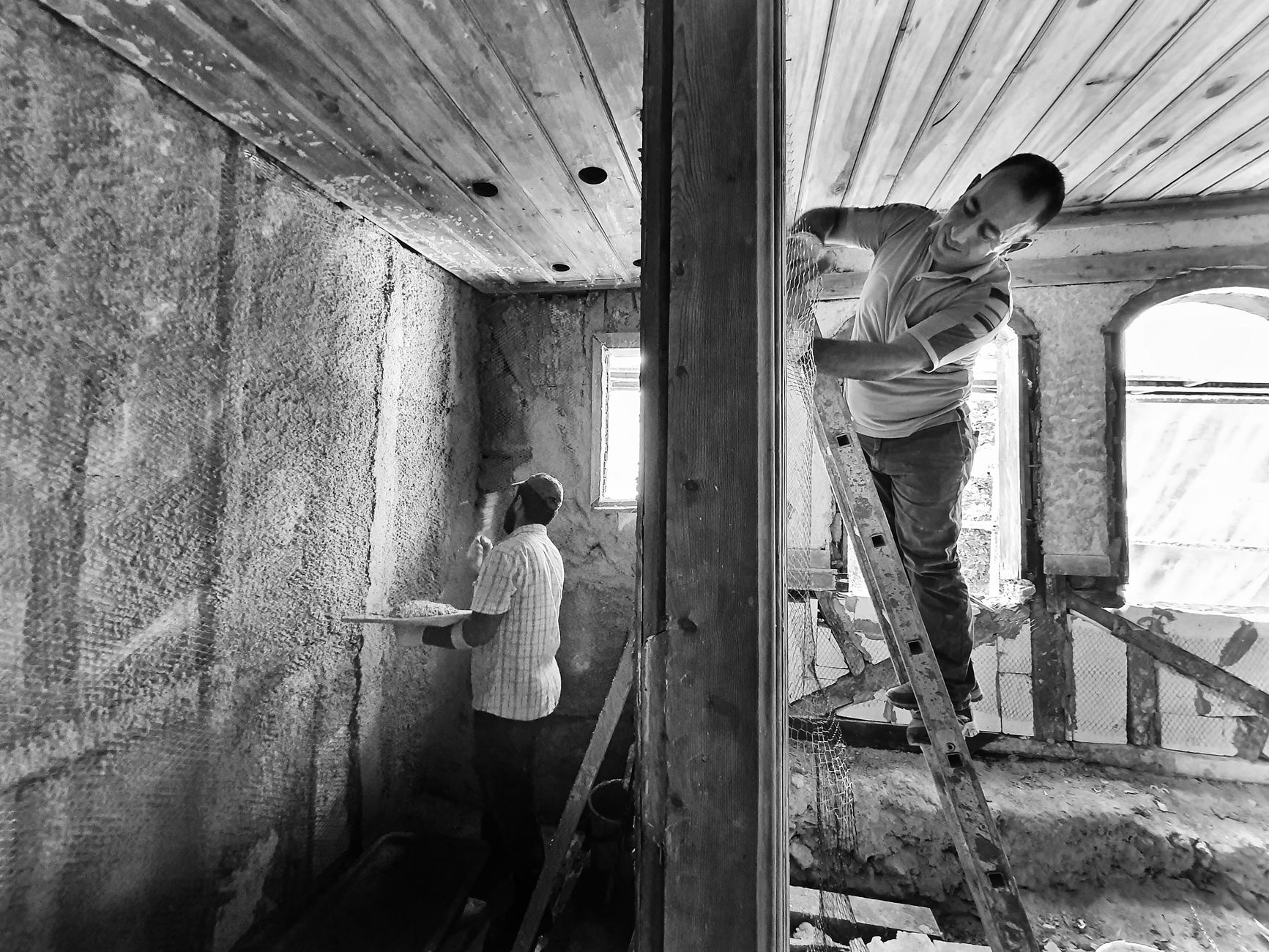
Walking on loft insulation can pose serious safety risks, including the potential for injury and long-term health issues. Understanding these risks is crucial for ensuring safe insulation installation.
Loft insulation, also known as attic insulation, is designed to improve the thermal performance of a home by reducing heat loss in winter and heat gain in summer. However, the materials used for insulation can be hazardous if not handled properly.
Types of Loft Insulation
There are several types of loft insulation, each with its own set of risks and benefits:
- Fiberglass Insulation: Made from fine fibers of glass, fiberglass insulation is highly effective but can cause respiratory issues if inhaled.
- Mineral Wool Insulation: Composed of mineral fibers, mineral wool insulation is durable and fire-resistant but can also pose health risks if disturbed.
- Cellulose Insulation: Made from recycled newspaper, cellulose insulation is eco-friendly but can be flammable and may contain mold if not properly treated.
- Spray Foam Insulation: Applied as a liquid and expanding to a foam, spray foam insulation offers excellent thermal performance but can trap moisture and lead to mold growth if not installed correctly.
Risks of Walking on Loft Insulation
Walking on loft insulation can be dangerous due to several factors:
- Respiratory Issues: Disturbing fiberglass or mineral wool insulation can release fibers into the air, which can be inhaled and cause respiratory problems such as coughing, wheezing, and shortness of breath.
- Skin Irritation: Direct contact with insulation materials can cause skin irritation, rashes, and allergic reactions.
- Fire Hazard: Cellulose insulation, in particular, can be flammable and pose a fire risk if disturbed.
- Mold Growth: Spray foam insulation, if not installed correctly, can trap moisture and lead to mold growth, which can be harmful to health.
Safety Precautions
To ensure safe insulation installation and minimize the risks associated with walking on loft insulation, follow these safety precautions:
- Wear Protective Gear: Always wear protective clothing, including gloves, a mask, and safety goggles, when handling insulation materials.
- Ventilate the Area: Ensure the insulation area is well-ventilated to prevent the buildup of dust and fibers.
- Use Proper Tools: Use tools designed for handling insulation materials to minimize the risk of injury.
- Follow Manufacturer Guidelines: Adhere to the manufacturer's guidelines for installation and handling of insulation materials.
Professional Installation
For the safest and most effective insulation installation, consider hiring a professional. A professional installer can ensure that the insulation is installed correctly and safely, minimizing the risks associated with DIY installation.
According to the Environmental Protection Agency (EPA), proper insulation installation can reduce energy costs by up to 20%. Additionally, the National Institute of Building Sciences (NIBS) recommends that all homes should have adequate insulation to maintain indoor comfort and reduce energy consumption.
| Insulation Type | Risks | Safety Precautions |
|---|---|---|
| Fiberglass | Respiratory issues, skin irritation | Wear protective gear, ventilate the area |
| Mineral Wool | Respiratory issues, skin irritation | Wear protective gear, ventilate the area |
| Cellulose | Fire hazard, mold growth | Use fire-resistant materials, ensure proper ventilation |
| Spray Foam | Moisture trapping, mold growth | Ensure proper installation, use moisture barriers |
Not sure which insulation upgrade offers the best fit for your home? Consult with our experts to explore thermal performance options.
Ultimately, a successful home improvement project should enhance your property's daily comfort, boost energy efficiency, and provide long-lasting value for years to come.