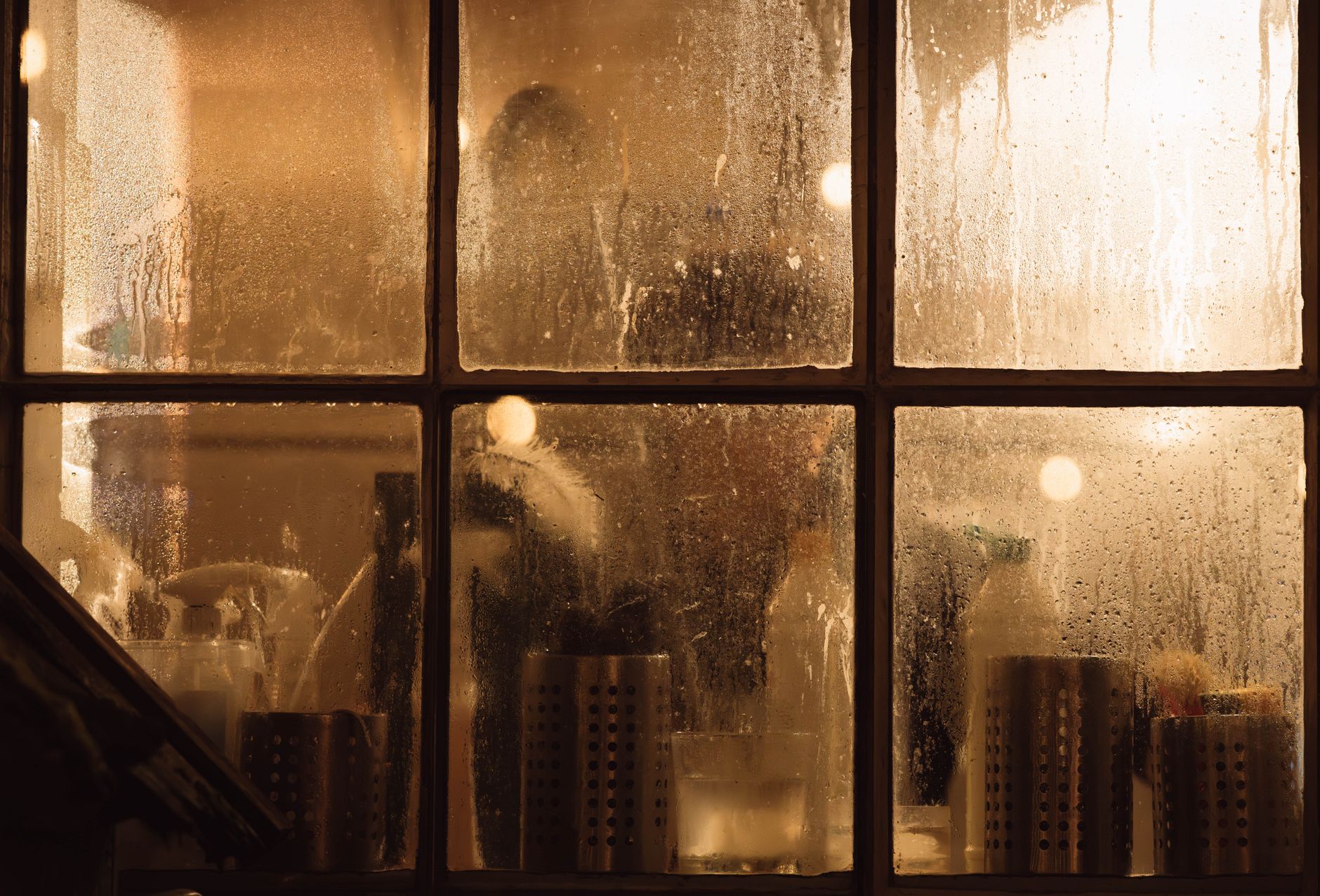
Condensation is a common household problem that often indicates an imbalance in a home's thermal performance and ventilation. It manifests as water droplets on cold surfaces, leading to damp patches, peeling paint, and potentially harmful mold growth. Addressing condensation is not just about aesthetics; it's crucial for maintaining structural integrity and promoting a healthy indoor environment.
Insulation plays a critical role in mitigating condensation by tackling its root cause: temperature differences. When warm, moist air meets a cold surface, it cools rapidly, causing the water vapor it holds to condense into liquid. By keeping interior surfaces warmer, insulation reduces the likelihood of this phenomenon occurring. However, managing condensation effectively requires a comprehensive approach that considers insulation alongside ventilation and other moisture control strategies.
Understanding the Science of Condensation
To grasp how insulation helps, it's essential to understand the basic science behind condensation. Air has a certain capacity to hold moisture, which increases with temperature. When warm, moisture-laden air cools, its capacity to hold water vapor decreases. If the air cools to its 'dew point' – the temperature at which it becomes saturated – it releases excess moisture as liquid water.
In a home, this often happens on colder surfaces like windows, external walls, and uninsulated pipes. These surfaces act as thermal bridges, transferring heat away from the interior and creating cold spots. As warm, humid indoor air comes into contact with these colder surfaces, it cools down, reaches its dew point, and deposits condensation. This can lead to persistent dampness, creating ideal conditions for mold spores to thrive.
How Insulation Prevents Condensation
Properly installed insulation works by creating a thermal barrier that slows the transfer of heat between the inside and outside of your home. This action directly impacts condensation prevention in several ways:
- Warming Interior Surfaces: The primary mechanism is raising the temperature of internal surfaces. By reducing heat loss through walls, floors, and ceilings, insulation ensures that these surfaces remain above the dew point of the indoor air, even during colder external conditions.
- Reducing Cold Spots: Insulation minimizes the creation of cold spots, which are prime locations for condensation. A consistent surface temperature across your home's envelope significantly reduces the number of areas where moisture can condense.
- Improving Overall Thermal Comfort: Beyond preventing condensation, insulation contributes to a more stable and comfortable indoor temperature, reducing the need for excessive heating and, in turn, potentially reducing indoor humidity if heating systems add moisture.
Different types of insulation, such as mineral wool, rigid boards, or spray foam, achieve this thermal barrier effect with varying R-values (thermal resistance). The choice of insulation depends on the specific area of the home (walls, loft, floor) and the existing structure. For instance, cavity wall insulation fills the gap in external walls, preventing cold from penetrating and warming the inner wall surface.
Considering an insulation upgrade? Learn more about different insulation types and their benefits for your home's thermal performance.
The Critical Insulation-Ventilation Balance
While insulation is highly effective at preventing condensation, it also makes homes more airtight. This increased airtightness can be a double-edged sword: it prevents heat loss but can also trap moisture generated indoors, potentially exacerbating humidity levels if not managed correctly. This phenomenon highlights the 'insulation-ventilation balance' – a crucial concept in modern home efficiency.
A well-insulated, airtight home requires adequate ventilation to remove stale, moisture-laden air and replace it with fresh, drier air. Without proper ventilation, internal moisture sources from cooking, showering, drying clothes, and even breathing can accumulate, leading to higher indoor humidity. Even with warm surfaces from insulation, excessively high humidity can still push the dew point higher, causing condensation to form in areas where it might not have before, or lead to other moisture-related problems like interstitial condensation within wall cavities.
Effective ventilation strategies include:
- Extractor Fans: Properly sized and positioned fans in kitchens and bathrooms are essential for removing high levels of localized moisture.
- Trickle Vents: Small, adjustable vents often integrated into window frames provide continuous background ventilation.
- Mechanical Ventilation with Heat Recovery (MVHR): This advanced system continuously extracts stale air and supplies fresh filtered air, recovering up to 90% of the heat from the extracted air. It's particularly effective in very airtight homes.
- Regular Airing: Simply opening windows for short periods, even in winter, can significantly help to cycle air and reduce humidity levels.
Achieving the right balance ensures that your home is both energy-efficient and healthy, preventing the build-up of moisture and the associated risks of mold and dampness.
Distinguishing Moisture Problems: Condensation Damp vs. Others
Homeowners often group all moisture issues under the umbrella of 'damp', but understanding the specific type of moisture problem is crucial for effective treatment. Insulation primarily addresses condensation damp, but it's important to differentiate it from other issues:
- Condensation Damp: Caused by warm, moist indoor air condensing on cold surfaces. This is what proper insulation directly combats.
- Penetrating Damp: Occurs when moisture enters the building fabric from the outside, typically through structural defects like cracked rendering, leaking roofs, faulty gutters, or damaged brickwork. Insulation does not directly solve penetrating damp, though a wet wall will have a lower R-value.
- Rising Damp: This is less common but occurs when ground moisture travels upwards through porous building materials due to a defective or absent damp-proof course (DPC). Like penetrating damp, insulation isn't the primary solution here, and in fact, applying insulation to a wall with rising damp can sometimes trap moisture, making the problem worse if not addressed first.
A professional assessment is critical to correctly diagnose the type and source of dampness. Treating condensation damp with insulation alone will not solve a problem caused by a leaking pipe or a broken gutter. Conversely, fixing structural issues won't eliminate condensation if the home remains poorly insulated and inadequately ventilated.
Practical Strategies for Home Moisture Control
Beyond insulation and ventilation, homeowners can implement several daily practices to manage indoor humidity and further reduce the risk of condensation and mold:
| Strategy | Description | Impact on Condensation |
|---|---|---|
| Use Extractor Fans | Always run kitchen and bathroom fans during and after high-moisture activities (cooking, showering). | Removes moisture at source before it spreads and condenses. |
| Ventilate Regularly | Open windows briefly daily, especially in rooms prone to moisture. | Replaces humid indoor air with drier outdoor air. |
| Dry Laundry Outdoors | When possible, dry clothes outside or in a well-ventilated space. | Prevents significant moisture release into indoor air. |
| Maintain Consistent Heating | Keep your home at a stable, moderate temperature rather than fluctuating between very cold and very warm. | Keeps surfaces warmer, reducing dew point condensation. |
| Space Furniture Away from Walls | Allow air circulation around external walls to prevent cold spots behind furniture. | Minimizes concealed cold spots where condensation can form. |
| Consider Dehumidifiers (Temporary) | Use a dehumidifier for targeted areas with very high humidity, but not as a long-term solution. | Extracts moisture directly from the air, but can be expensive to run continuously. |
These strategies, combined with effective insulation and appropriate ventilation, form a robust defense against chronic condensation issues.
Quality Assurance: PAS 2035 and TrustMark
For significant home improvement projects like insulation upgrades, ensuring quality and effectiveness is paramount. In the UK, the PAS 2035 standard provides a framework for energy retrofit projects, including insulation, ensuring they are designed and installed correctly to improve energy efficiency and address issues like condensation safely.
- PAS 2035 Certification: This standard mandates a holistic 'whole-house' approach. It requires homes to be assessed by qualified retrofit professionals who evaluate the property's unique characteristics, existing energy performance, and potential for improvements. This assessment considers factors such as building type, condition, occupant lifestyle, and existing moisture issues to develop a tailored retrofit design. It ensures that improvements like insulation are suitable and don't inadvertently create new problems, such as exacerbating moisture issues due to lack of ventilation.
- TrustMark Registration: Installers registered with TrustMark provide an additional layer of consumer protection and quality assurance. TrustMark is a government-endorsed quality scheme that ensures tradespeople meet specific technical and customer service standards, offering homeowners confidence in the workmanship and guarantees for the project.
Adhering to these standards helps guarantee that an insulation project effectively reduces condensation, improves thermal performance, and contributes positively to the home's overall health and durability, rather than causing unintended consequences.
For a comprehensive evaluation of your home's energy performance, explore home energy audit services.
Addressing Existing Mold and Health Impacts
Condensation often leads to mold growth, which can pose significant health risks, especially for vulnerable populations such as children, elderly residents, and individuals with respiratory conditions like asthma. Mold spores can trigger allergies, cause respiratory problems, and irritate eyes, skin, and throats.
For small areas of mold growth, commercial mold removers can be effective, provided the underlying moisture issue is resolved. However, widespread mold infestation (e.g., covering more than one square meter) requires professional remediation. Specialists can safely remove mold, identify its source, and advise on preventative measures to ensure it does not return. Attempting to clean extensive mold without proper protective equipment can worsen health issues and spread spores.
Preventing condensation through proper insulation and ventilation is the most effective way to protect your home and its occupants from the detrimental effects of mold.
Beyond Condensation: Broader Benefits of Insulation
While the primary focus of this discussion has been on condensation, it is important to remember that insulation offers a multitude of benefits that extend beyond moisture control. A well-insulated home is inherently more energy-efficient. It retains heat in winter, reducing the demand on heating systems and leading to lower energy bills. In summer, it helps keep heat out, contributing to a cooler indoor environment and potentially reducing the need for air conditioning.
This improved thermal performance leads to enhanced comfort throughout the year, eliminating cold drafts and maintaining more stable internal temperatures. Moreover, by preventing dampness and protecting the building fabric from moisture-related degradation, insulation contributes to the structural integrity and longevity of your property, preserving its value over time. It is a foundational upgrade for a healthy, efficient, and comfortable home.
Beyond insulation, robust roofing and structural protection are vital for overall home resilience against moisture.
Conclusion
Insulation is a powerful tool in the fight against condensation, directly addressing the conditions that cause moisture to form on interior surfaces. By warming cold spots and improving a home's thermal envelope, it significantly reduces the risk of dampness and mold. However, its effectiveness is maximized when integrated into a holistic strategy that also prioritizes adequate ventilation to manage internal humidity. For homeowners looking to create a healthier, more energy-efficient, and structurally sound living space, professional assessment and installation, adhering to standards like PAS 2035, are essential steps towards achieving a truly balanced and protected home.
Not sure which insulation upgrade offers the best fit for your home? Reach out to our advisors to discuss thermal performance options.