The current landscape of home ownership is increasingly shaped by two significant drivers: the pressing need for environmental sustainability and the rising burden of utility costs. Home energy efficiency upgrades are emerging not just as a financial prudence but as a vital component of homeowner health and well-being. This shift is underscored by recent health data, such as flu hospitalization rates reaching their highest level since the 2010 season, highlighting a critical need for improved indoor air quality and effective ventilation in residential spaces.
Medical advancements, including breakthrough cancer vaccines, demonstrate the broader impact of preventive measures. Similarly, a proactive approach to home environments can significantly mitigate health risks. Concurrently, economic data shows workers are paying nearly 10% more for family health insurance premiums, making preventative home investments even more financially sensible. For homeowners, the convergence of energy efficiency and health outcomes presents a compelling case for comprehensive upgrades that deliver both long-term financial savings and enhanced comfort.
The Dual Imperative: Efficiency and Wellness
Investing in home energy efficiency is no longer solely about reducing utility bills; it's about creating a living space that actively supports the health of its occupants. The choices homeowners make regarding their property—from the roof over their heads to the air circulating within—directly influence both their financial ledger and their family's health.
Financially, the benefits are substantial and measurable. Solar installations, for instance, can reduce electricity consumption by up to 80% over their 25-year operational lifespan, offering significant savings and a hedge against rising energy prices. Comprehensive insulation upgrades, targeting attics, walls, and crawl spaces, can lower heating and cooling expenses by 15-30%. These figures represent tangible returns on investment, freeing up household budgets for other priorities. High-performance window replacements, featuring advanced glazing technologies, further improve thermal efficiency, dramatically reducing energy demand and contributing to a more stable indoor temperature regardless of external conditions.
Beyond the financial, these upgrades play a pivotal role in public health. The CDC's reporting on flu hospitalization rates during peak seasonal periods directly links proper ventilation and advanced air filtration systems to mitigating respiratory health risks. A well-sealed and properly ventilated home minimizes the infiltration of outdoor pollutants and allergens while ensuring stale, pathogen-laden air is effectively cycled out. This creates a healthier indoor environment, potentially reducing instances of respiratory illness and improving overall well-being.
Key Upgrade Areas and Their Impact
Solar Installations: Powering Your Home and Health
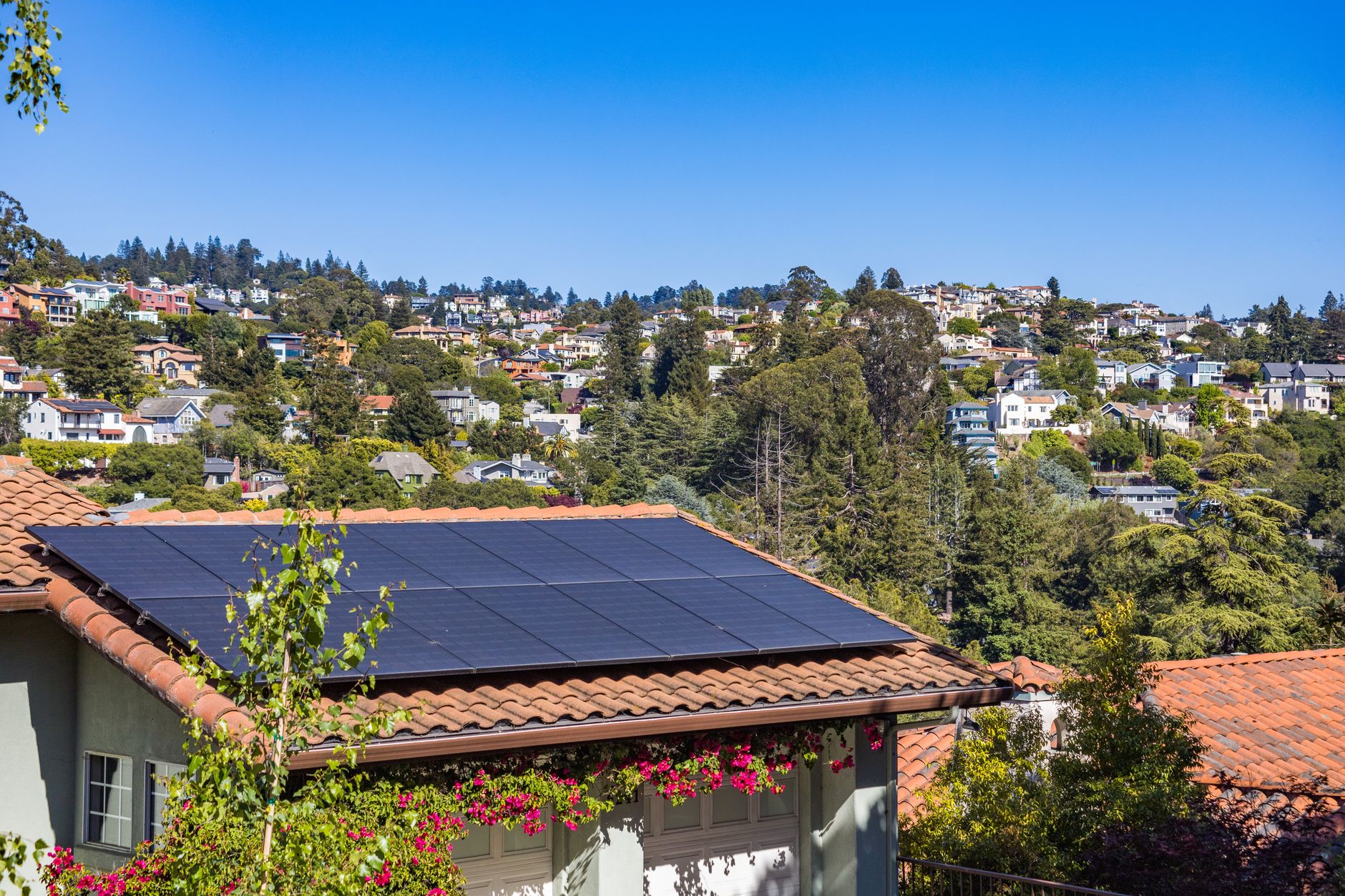
Solar panels represent a significant step towards energy independence and a reduced carbon footprint. Beyond the substantial reduction in electricity consumption, often up to 80%, solar power provides a stable, predictable energy cost over decades. This financial stability can reduce stress, a known factor impacting overall health. Modern solar systems are durable, requiring minimal maintenance, and offer increased property value while contributing to a cleaner energy grid.
If you are considering solar or renewable energy options, consulting a qualified professional can help you assess the suitability of your property and explore available incentives.
Comprehensive Insulation Upgrades: The Core of Comfort and Clean Air
Insulation acts as your home's thermal envelope, preventing heat transfer and maintaining consistent indoor temperatures. Proper insulation in the attic, walls, and floors is critical for energy efficiency, capable of lowering heating and cooling expenses by 15-30%. But its benefits extend to health:
- Moisture Control: Good insulation helps regulate indoor humidity, preventing condensation and reducing the risk of mold and mildew growth, which are common triggers for allergies and respiratory issues.
- Draft Elimination: Sealing air leaks and insulating walls reduces drafts, making the home more comfortable and minimizing cold spots that can impact occupants' health and immune response.
- Noise Reduction: Dense insulation materials can also reduce external noise pollution, contributing to a calmer, more restful home environment.
When you are unsure which insulation upgrade is most appropriate for your home, a professional assessment can identify suitable options and explain their impact on comfort and energy performance.
Strategic Roofing Improvements: A Foundation for Protection
Your roof is the first line of defense against the elements. Strategic improvements can enhance energy efficiency through reflective coatings that reduce solar heat gain or by integrating better ventilation systems directly into the roof structure. This not only lowers cooling costs but also extends the life of the roof itself. From a health perspective, a well-maintained and properly ventilated roof prevents moisture accumulation in the attic, mitigating risks of mold and poor air quality that can permeate living spaces below. A robust roof also provides structural integrity, safeguarding against environmental hazards.
High-Performance Window Replacements: Clarity, Efficiency, and Well-being
Outdated windows are notorious for energy loss. High-performance window replacements with advanced glazing technologies offer superior thermal efficiency by minimizing heat transfer. This leads to reduced energy demand for heating and cooling, cutting utility bills. Beyond efficiency, modern windows provide:
- Improved Indoor Air Quality: Tighter seals prevent drafts and the infiltration of outdoor pollutants, dust, and allergens, contributing to cleaner indoor air.
- UV Protection: Advanced coatings can block harmful UV rays, protecting furniture and flooring from fading and reducing skin exposure.
- Noise Reduction: Dual or triple-pane windows offer significant sound insulation, creating a quieter, more peaceful home environment conducive to relaxation and focus.
To improve thermal efficiency while preserving design, a professional can recommend appropriate window and door upgrades that match your home's aesthetic and performance goals.
The Interplay of Efficiency and Health
The synergy between energy-efficient home upgrades and improved health outcomes is profound. A home designed for efficiency is often inherently a healthier home. For example, a well-sealed and insulated building envelope maintains stable temperatures, reducing the strain on heating and cooling systems, which in turn means less dust and fewer allergens circulating. Mechanical ventilation systems, often integrated with insulation and window upgrades, ensure a continuous supply of fresh air, essential for diluting indoor pollutants such as volatile organic compounds (VOCs) from furniture and cleaning products, carbon dioxide, and airborne pathogens.
Considering the rise in flu hospitalizations and the increased cost of family health insurance, proactive measures within the home environment are more critical than ever. Reducing exposure to indoor air pollutants and maintaining optimal temperatures can strengthen immune response and minimize the conditions under which respiratory illnesses thrive. This focus on preventive health through home improvements directly aligns with the broader understanding of wellness and longevity.
Navigating Regulations and Incentives
Embarking on home energy efficiency upgrades requires an understanding of regulatory considerations and available financial incentives. Local building codes frequently mandate specific energy performance standards for renovations, ensuring new installations meet certain benchmarks for efficiency and safety. Homeowners should consult with local authorities to understand these requirements before proceeding with major projects.
Additionally, numerous municipal and state programs offer rebates and grants for energy-efficient home improvements, such as insulation upgrades, solar panel installations, and high-efficiency window replacements. These programs aim to encourage homeowners to invest in sustainable solutions, often offsetting a significant portion of the upfront costs. On a federal level, tax incentives for solar installations and other qualified energy-efficient home upgrades can further reduce the financial burden, making these investments more accessible and attractive.
Understanding and leveraging these incentives is crucial for maximizing the return on investment for any home upgrade. Professional guidance can help homeowners identify eligible programs and navigate the application process, ensuring all opportunities for financial assistance are utilized.
Making Informed Decisions for Your Home
Planning home energy efficiency upgrades involves assessing your specific needs, evaluating available options, and understanding the long-term benefits. A comprehensive home energy audit can pinpoint areas of energy loss and identify the most impactful upgrades for your property. This diagnostic approach ensures that investments are targeted and effective, maximizing both financial savings and health improvements.
Consider a phased approach, prioritizing upgrades that offer the quickest return on investment or address the most pressing health concerns. For example, improving attic insulation might be a high-priority, cost-effective step that immediately impacts energy bills and indoor comfort. Following this, exploring options for high-performance windows or a solar installation could be subsequent stages in a long-term home improvement plan.
The synergy of these improvements not only enhances property value but also fosters a healthier living environment. A well-planned, energy-efficient home is a sanctuary that supports the well-being of its inhabitants, reduces environmental impact, and provides lasting financial benefits.
Summary of Key Upgrade Benefits
| Upgrade Type | Primary Financial Benefit | Primary Health Benefit | Potential Savings / Impact |
|---|---|---|---|
| Solar Installations | Reduced electricity bills, energy independence | Reduced carbon footprint, financial stability | Up to 80% reduction in electricity consumption |
| Comprehensive Insulation | Lower heating/cooling expenses | Improved indoor air quality, moisture control, reduced drafts | 15-30% reduction in heating/cooling costs |
| High-Performance Windows | Reduced energy demand, lower utility bills | Better temperature regulation, UV protection, noise reduction, reduced pollutants | Significant reduction in energy loss through windows |
| Strategic Roofing | Improved energy efficiency, extended roof life | Prevent mold/mildew, better attic ventilation, structural integrity | Reduced cooling costs, long-term asset protection |
| Ventilation Systems | Improved HVAC efficiency | Mitigation of respiratory risks, removal of indoor pollutants | Enhanced indoor air quality, reduced pathogen circulation |
By understanding the combined impact of these upgrades, homeowners can make strategic decisions that benefit their wallets and their family's health for years to come.
When planning a home modernization project, seeking advice from a qualified professional can help you review options and develop a plan that aligns with your goals.