Condensation in bedrooms is a common issue, especially during autumn and winter, as it creates an ideal environment for mould growth. Mould not only affects indoor air quality but can also lead to costly repairs. According to a study by the British Lung Foundation, mould exposure can trigger asthma and allergies, making it crucial for homeowners to take preventive measures.
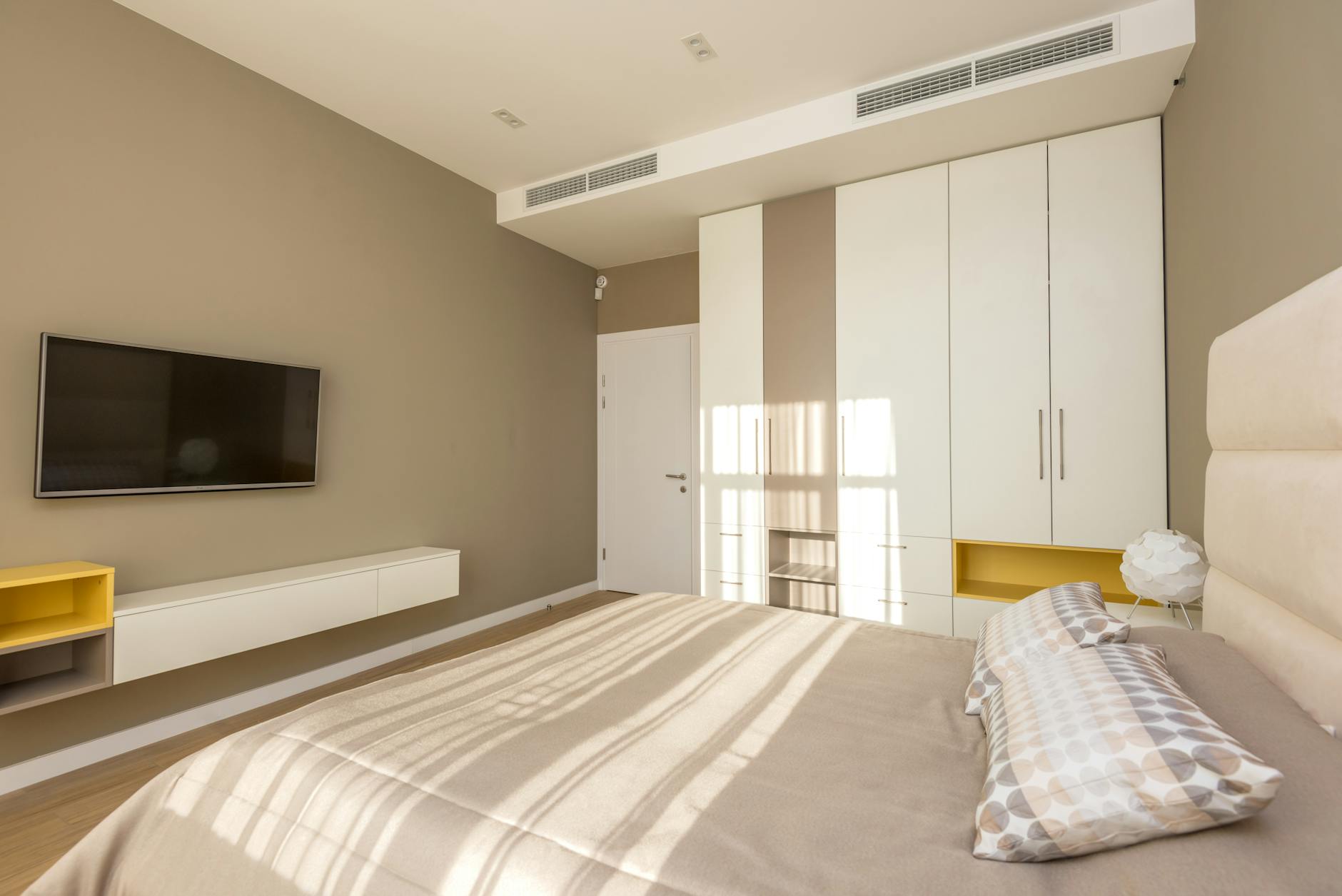
The average person spends seven to nine hours a day in their bedroom, making it a high-risk area for mould growth. To combat this, experts recommend moving large furniture away from walls to improve airflow, keeping damp clothes out of the room, and ensuring the bedroom door remains shut during cooking. Opening windows in the morning helps reduce moisture buildup from breathing and sweating.
For high-humidity areas, using damp-resistant paint can further protect walls. Jimmy Englezos, senior brand manager at Ronseal, emphasizes that small changes like adjusting furniture placement and daily habits can significantly reduce condensation risks. Lucy Steele, senior brand manager at Valspar Paint, advises using mould-resistant paints in prone areas. These measures not only enhance comfort but also extend the lifespan of bedroom interiors, aligning with ProNest CX’s focus on durable and efficient home upgrades.
| Preventive Measure | Implementation |
|---|---|
| Improve Airflow | Move large furniture away from walls and ensure proper ventilation. |
| Manage Moisture | Keep damp clothes out of the room and shut the bedroom door during cooking. |
| Use Damp-Resistant Paint | Apply mould-resistant paint in high-humidity areas. |
Building codes may require specific ventilation standards; consult local regulations for compliance. Energy-efficient upgrades may qualify for rebates.
Looking to improve thermal efficiency without compromising design? Contact our team to evaluate the right window and door upgrades for your project.
In conclusion, preventing condensation in your bedroom involves a combination of daily habits and strategic home improvements. By following these expert tips, you can create a healthier and more comfortable living environment.
Planning a home modernization project? Get in touch with ProNestCX to help you review your choices and plan the right approach.
Assessing Long-Term Energy Savings
When investing in home upgrades, initial installation costs are only part of the equation. Homeowners must weigh upfront expenses against long-term utility bill reductions, thermal performance gains, and potential property value increases.
Material Quality and Durability Standards
Choosing high-performance materials—such as energy-efficient window glazing, advanced insulation fibers, or weather-resistant roofing—ensures structural longevity and minimizes ongoing maintenance overhead.
Assessing Professional Installation vs. DIY
While minor cosmetic updates can be handled independently, major efficiency retrofits require specialized expertise. Professional installation ensures compliance with local building codes and protects manufacturer warranties.
Project Timelines and Weather Windows
Home improvement schedules vary based on project scope and seasonal conditions. Proper planning ensures that exterior renovations or weatherproofing initiatives are completed efficiently without disrupting daily routines.
Maximizing Rebates and Financing Incentives
Many regional and federal programs offer tax credits or rebates for energy-efficient home upgrades. Evaluating these financial incentives early can significantly offset total project costs.
Warranty Coverage and Quality Assurance
Reliable service providers back their installations with comprehensive workmanship guarantees and manufacturer warranties, giving homeowners long-term peace of mind.
Ultimately, a successful home improvement project should enhance your property's daily comfort, boost energy efficiency, and provide long-lasting value for years to come.