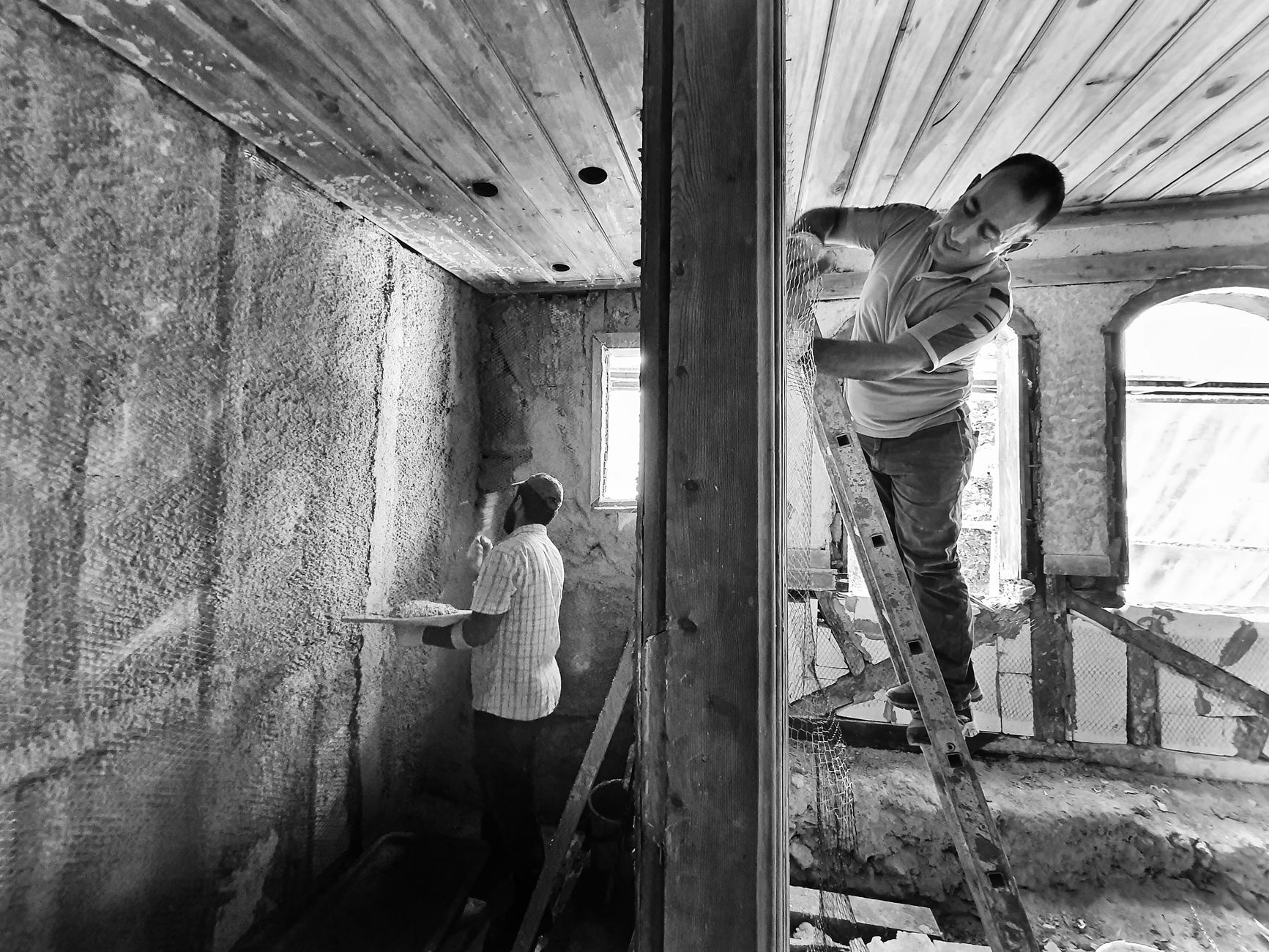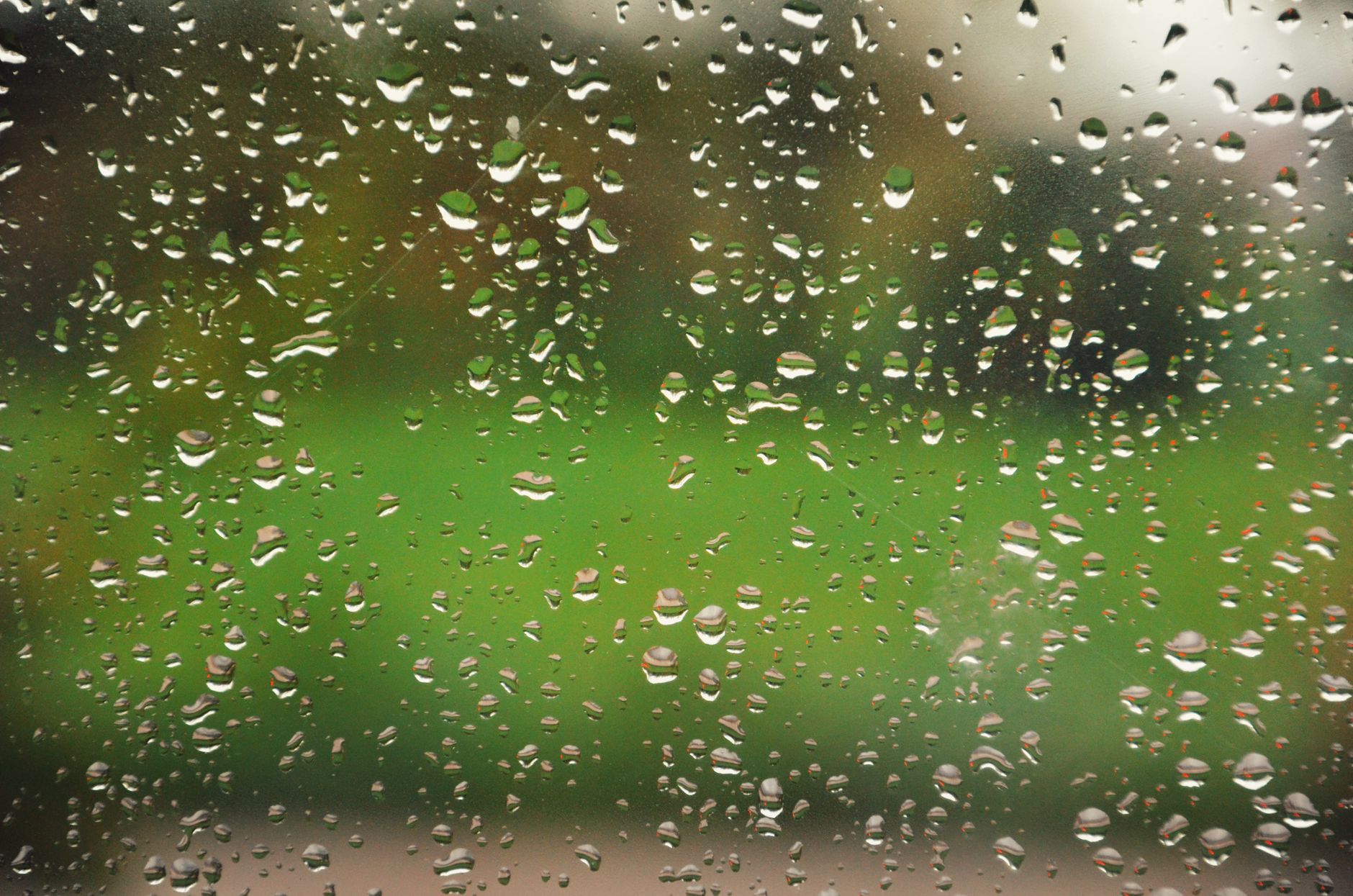
Condensation in older homes is a common issue, particularly in Scotland where heating costs are high. It occurs when warm, moist air comes into contact with cold surfaces, turning into liquid water. In traditional buildings (pre-1919), two main types of condensation exist: surface condensation (e.g., on windows) and interstitial condensation (within building materials like walls or floors). The latter can lead to serious structural damage, including wet rot, dry rot, and insect infestation. Condensation also promotes mold growth, which poses health risks such as asthma, allergies, and respiratory infections.
A family of four produces approximately 7.6 liters of water daily, highlighting the significant moisture accumulation risk if not managed properly. To mitigate condensation, homeowners can take simple steps like drying clothes in well-ventilated areas, running extractor fans in kitchens and bathrooms, and ensuring ventilation pathways (e.g., subfloor vents) are open. Regularly wiping windows and using a humidistat-controlled extractor fan can also help.
For long-term solutions, upgrading insulation, improving ventilation, and using moisture-resistant materials are crucial. ProNest CX recommends energy-efficient upgrades like solar installations and high-performance windows to reduce indoor humidity and enhance comfort.
| Condensation Type | Common Locations | Potential Damage |
|---|---|---|
| Surface Condensation | Windows, walls, floors | Mold growth, reduced insulation efficiency |
| Interstitial Condensation | Within building materials | Wet rot, dry rot, insect infestation |
Building codes may require proper ventilation and moisture-resistant materials in renovations. Energy-efficient upgrades may qualify for rebates or tax credits.
Looking to improve thermal efficiency and prevent condensation? Contact our team to evaluate the right insulation and ventilation upgrades for your home.
Assessing Long-Term Energy Savings
When investing in home upgrades, initial installation costs are only part of the equation. Homeowners must weigh upfront expenses against long-term utility bill reductions, thermal performance gains, and potential property value increases.
Material Quality and Durability Standards
Choosing high-performance materials—such as energy-efficient window glazing, advanced insulation fibers, or weather-resistant roofing—ensures structural longevity and minimizes ongoing maintenance overhead.
Assessing Professional Installation vs. DIY
While minor cosmetic updates can be handled independently, major efficiency retrofits require specialized expertise. Professional installation ensures compliance with local building codes and protects manufacturer warranties.
Project Timelines and Weather Windows
Home improvement schedules vary based on project scope and seasonal conditions. Proper planning ensures that exterior renovations or weatherproofing initiatives are completed efficiently without disrupting daily routines.
Maximizing Rebates and Financing Incentives
Many regional and federal programs offer tax credits or rebates for energy-efficient home upgrades. Evaluating these financial incentives early can significantly offset total project costs.
Warranty Coverage and Quality Assurance
Reliable service providers back their installations with comprehensive workmanship guarantees and manufacturer warranties, giving homeowners long-term peace of mind.
Ultimately, a successful home improvement project should enhance your property's daily comfort, boost energy efficiency, and provide long-lasting value for years to come.
Ultimately, a successful home improvement project should enhance your property's daily comfort, boost energy efficiency, and provide long-lasting value for years to come.
Ultimately, a successful home improvement project should enhance your property's daily comfort, boost energy efficiency, and provide long-lasting value for years to come.
Ultimately, a successful home improvement project should enhance your property's daily comfort, boost energy efficiency, and provide long-lasting value for years to come.
Ultimately, a successful home improvement project should enhance your property's daily comfort, boost energy efficiency, and provide long-lasting value for years to come.