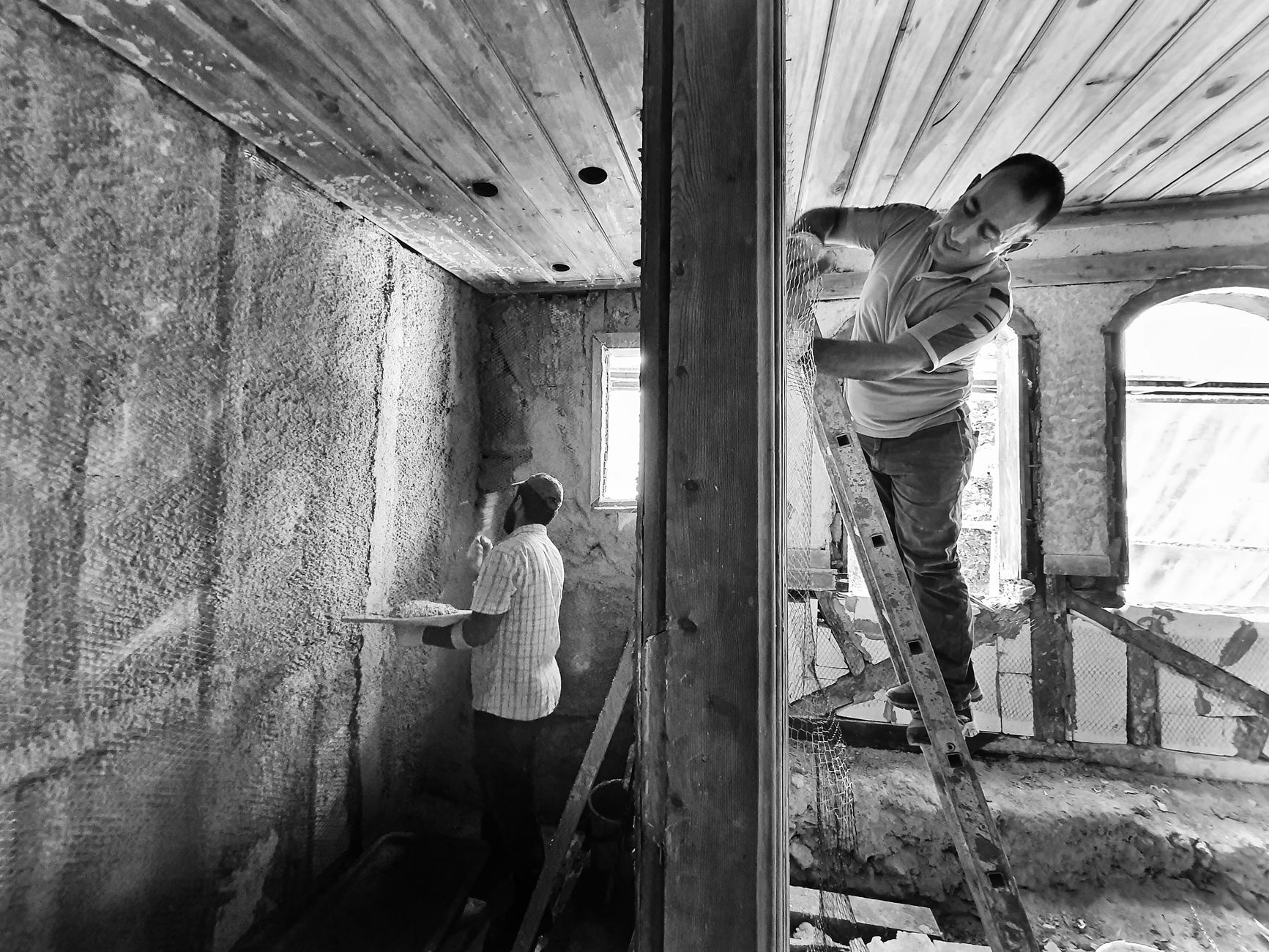
Old houses charm with character and history, but often come with the challenge of higher energy bills, particularly for heating. Drafts, outdated insulation, and less efficient systems mean heated air escapes easily, forcing gas furnaces to work harder and longer. Addressing these issues systematically can significantly reduce gas consumption, leading to lower monthly costs and a more comfortable living environment. This guide outlines a prioritized approach to energy efficiency for older homes, focusing on practical steps from immediate, low-cost interventions to strategic capital upgrades.
The Foundational Step: The Home Energy Audit
The first and most effective step in understanding and reducing gas bills in an old house is a professional home energy audit. Averaging around $436, this assessment provides a comprehensive overview of your home's energy performance. An auditor uses specialized tools like blower door tests to identify air leakage and infrared cameras to pinpoint areas of poor insulation. This diagnostic process reveals exactly where your home is losing heat, allowing for targeted improvements rather than guesswork.
The U.S. Department of Energy (DOE) indicates that a professional audit can unlock energy savings of 5% to 30%. Beyond identifying obvious issues, audits often uncover hidden problems, such as unsealed ductwork in crawl spaces or attics, which can be significant sources of heat loss. Receiving a detailed report with prioritized recommendations helps homeowners make informed decisions about where to invest their time and money for the greatest impact. For old homes, where energy inefficiencies are often complex and interconnected, this initial assessment is invaluable. It forms the roadmap for effective bill reduction.
Curious about your home's energy performance? Explore our approach to comprehensive energy audits.
Addressing Heat Loss: Air Sealing and Insulation
For older houses, drafts and inadequate insulation are primary culprits behind high gas bills. Heated air escapes through countless small gaps and cracks, forcing your furnace to run almost constantly to maintain temperature.
Air Sealing: The First Line of Defense
Sealing air leaks is often the most cost-effective intervention. Common culprits include gaps around window frames, door frames, electrical outlets, light fixtures, and attic hatches.
- Windows and Doors: Apply weatherstripping around movable window sashes and door frames. Use caulk to seal stationary gaps around window and door trim. A simple candle test on a breezy day can reveal significant leaks.
- Utility Penetrations: Seal around pipes, wires, and vents where they enter or exit the home, particularly in basements, crawl spaces, and attics. Expanding foam sealant is effective for larger gaps, while caulk works for smaller cracks.
- Attic Bypass: Critically, seal any gaps or openings in the attic floor that allow conditioned air to rise directly into the unconditioned attic space. This includes areas around chimneys, plumbing stacks, dropped ceilings, and recessed light fixtures.
These low-cost interventions can significantly reduce drafts, making your home feel warmer and allowing your thermostat to be set lower without sacrificing comfort.
Insulation: Retaining Heat Where It Belongs
Once air leaks are minimized, ensuring adequate insulation becomes paramount. Many old homes have minimal or no insulation by modern standards.
- Attic Insulation: The attic is typically the easiest and most impactful area to insulate. Heat naturally rises, and a poorly insulated attic allows warmth to escape rapidly. Aim for an R-value of R-38 to R-60, depending on your climate zone. Blown-in cellulose or fiberglass can often be added over existing insulation without extensive demolition.
- Wall Insulation: Insulating existing walls in an old house can be more challenging but is crucial. Techniques include 'drill-and-fill' methods where insulation (like dense-pack cellulose or mineral wool) is blown into wall cavities through small holes. This requires professional expertise to ensure complete coverage without damaging historic plaster or interior finishes.
- Basement and Crawl Space Insulation: Insulating basement walls or crawl space perimeters helps prevent heat loss through the foundation. Rigid foam insulation applied to the interior walls of a basement or crawl space, combined with air sealing, can make a noticeable difference in floor temperatures and overall heating efficiency.
Investing in these structural improvements creates a tighter thermal envelope, preventing heated air from escaping and directly reducing the runtime of your gas furnace.
Considering an insulation upgrade for your vintage property? Learn about effective home and loft insulation solutions.
Optimizing HVAC Systems
Even the most insulated home will still incur high gas bills if its heating system is inefficient or poorly managed. HVAC optimization focuses on ensuring your gas furnace operates as effectively as possible.
- Annual Professional Servicing: Schedule annual maintenance for your heating system. A professional technician will clean components, check for wear and tear, calibrate the thermostat, and ensure the system is operating safely and efficiently. This prevents minor issues from escalating into costly repairs and ensures peak performance, reducing the energy needed to heat your home.
- Regular Filter Replacement: Replace standard air filters every 90 days, or more frequently if you have pets or allergies. A clogged filter restricts airflow, forcing the furnace to work harder, consume more gas, and potentially shorten its lifespan. Clean filters allow the system to breathe, maintaining efficiency.
- Programmable and Smart Thermostats: Upgrade to a programmable or smart thermostat. These devices allow you to set different temperatures based on your schedule, lowering the heat when you are away or asleep. Adjusting your thermostat settings by just a few degrees, particularly by setting it back 7-10 degrees Fahrenheit for 8 hours a day, can yield up to 10% in heating savings annually, according to the DOE. Smart thermostats offer features like remote control, geo-fencing (adjusting temperature based on your proximity), and energy usage reports, providing greater control and insight.
- Ductwork Inspection and Sealing: Leaky ductwork can waste a significant amount of heated air before it even reaches your living spaces, especially if ducts run through unconditioned attics or crawl spaces. Inspect accessible ductwork for gaps and seal them with mastic sealant or foil tape (not duct tape). Insulating ducts in unconditioned areas further minimizes heat loss.
Smart Appliance Use and Lighting
While primarily electric, the overall household energy draw impacts your utility bills. Reducing electricity consumption indirectly frees up budget for gas expenses and contributes to overall energy efficiency.
- LED Lighting Upgrade: Replace old incandescent bulbs with Energy Star-rated LEDs. LEDs consume at least 75% less energy and last up to 25 times longer than traditional bulbs. Swapping out just your most frequently used lights can lead to noticeable savings over time.
- Energy Star Appliances: When replacing old appliances, opt for Energy Star-rated models. These are designed to be more energy-efficient, minimizing electricity and water consumption. Even small changes, like using eco-cycles on dishwashers and washing machines, or air-drying clothes when possible, contribute to lower utility bills.
- Hot Water Heater Efficiency: Your hot water heater can be a significant energy consumer. Insulate older hot water tanks and the first six feet of hot and cold water pipes connected to the heater. Consider lowering the thermostat on your water heater to 120°F (50°C) – it’s often sufficient for household needs and saves energy.
Strategic Capital Upgrades
After addressing immediate efficiency issues, some homeowners may consider larger capital investments. These upgrades offer substantial long-term benefits but should generally follow foundational efficiency improvements.
- Window Upgrades: Older homes often feature single-pane windows or inefficient double-pane units. Upgrading to modern Energy Star-certified windows with double or triple panes and low-emissivity (Low-E) coatings can drastically reduce heat transfer. While a significant investment, new windows enhance comfort, reduce noise, and improve curb appeal. However, their return on investment for energy savings alone is often slower than air sealing and insulation, which is why these should be prioritized first.
- High-Efficiency Furnace Replacement: If your gas furnace is more than 15-20 years old, it may be operating at a significantly lower efficiency (AFUE) than modern units. Current high-efficiency models can achieve AFUE ratings over 90%, compared to 60-70% for older systems. Replacing an outdated furnace with a high-efficiency model, particularly one with a variable-speed fan, can lead to substantial gas savings.
- Rooftop Solar Integration: For homeowners considering rooftop solar, experts strongly recommend executing structural efficiency upgrades—like insulation, air sealing, and window improvements—first. This approach reduces the home's overall energy demand, allowing for a smaller, less expensive solar panel system. A smaller system (averaging $18,600 after tax credits) can still meet a larger percentage of your reduced energy needs, maximizing long-term savings that can exceed $50,000 over 30 years. By tackling efficiency first, old-house homeowners optimize their comfort, lower ongoing gas expenses, and scale down future green energy investments effectively.
Thinking about a holistic energy upgrade, including new windows? Review our selection of energy-efficient window and door solutions.
Prioritizing Your Efforts: A Phased Approach
Tackling all potential upgrades at once can be overwhelming and costly. A phased approach, starting with the most impactful and cost-effective interventions, yields the best results.
Here’s a general prioritization guide:
| Upgrade Type | Estimated Cost Range | Impact on Gas Bills | Typical Payback Period | Recommended Priority |
|---|---|---|---|---|
| Home Energy Audit | $300 - $500 | High (identifies key issues) | Short (indirect savings) | 1 - Foundational |
| DIY Air Sealing (Caulk, Weatherstripping) | $50 - $200 | High | Very Short (months) | 2 - Immediate Low-Cost |
| Attic Insulation Upgrade | $1,500 - $3,500 | Very High | 2 - 4 years | 3 - High Impact Structural |
| Professional Air Sealing (e.g., ducts) | $500 - $2,000 | High | 1 - 3 years | 3 - High Impact Structural |
| HVAC System Tune-up / Filter Change | $100 - $300 (annual) | Medium | Very Short (months) | Ongoing Maintenance |
| Smart Thermostat Installation | $150 - $300 | Medium - High | 1 - 2 years | 2 - Immediate Low-Cost |
| Wall/Basement/Crawl Space Insulation | $2,000 - $8,000+ | High | 3 - 7 years | 4 - Major Structural |
| Energy Star Window Replacement | $10,000 - $25,000+ | Medium - High | 7 - 15+ years | 5 - Long-Term Investment |
| High-Efficiency Furnace Replacement | $4,000 - $8,000+ | Very High | 3 - 8 years | 5 - Long-Term Investment |
| LED Lighting Conversion | $50 - $300 (per room) | Low (electricity) | Very Short (months) | Ongoing Behavioral |
| Hot Water Heater Efficiency Measures | $50 - $1,000+ | Medium (gas or electric) | 1 - 3 years | 2 - Immediate Low-Cost |
| Rooftop Solar Integration | $15,000 - $30,000+ | Very High (electricity) | 7 - 12 years | 6 - Advanced Green Energy |
By starting with an energy audit, addressing air leaks, and ensuring adequate insulation, you lay the groundwork for significant savings. These foundational improvements directly reduce your heating demand, making subsequent investments, such as HVAC upgrades or even solar, more efficient and cost-effective. Each step not only lowers your gas bills but also contributes to a more comfortable, energy-efficient home that retains its historic charm while embracing modern performance standards.
Conclusion
Reducing gas bills in an old house is a journey that blends preservation with modern efficiency. It begins with understanding your home's unique energy profile through a professional audit, then methodically addressing key areas of heat loss. Prioritizing air sealing, robust insulation, and optimized HVAC systems provides the most immediate and substantial returns. Subsequent investments in energy-efficient appliances and strategic capital upgrades further amplify savings and comfort. By taking a thoughtful, prioritized approach, homeowners can enjoy the timeless character of their old house without the burden of excessive energy costs, creating a more sustainable and comfortable living space for years to come.
Not sure which insulation upgrade offers the best fit for your home? Reach out to our advisors to discuss thermal performance options.