Condensation damp is a pervasive issue in many homes, often mistaken for more severe structural problems like rising damp. Accurate identification is crucial for effective treatment, safeguarding homeowner health, protecting property integrity, and ensuring long‑term energy efficiency from home upgrades.
Unlike rising damp, which typically presents as moisture stains and salt “tidemarks” low on walls, condensation damp manifests distinctly, primarily occurring when warm, moist air comes into contact with cold surfaces within a property.
Key Indicators of Condensation Damp
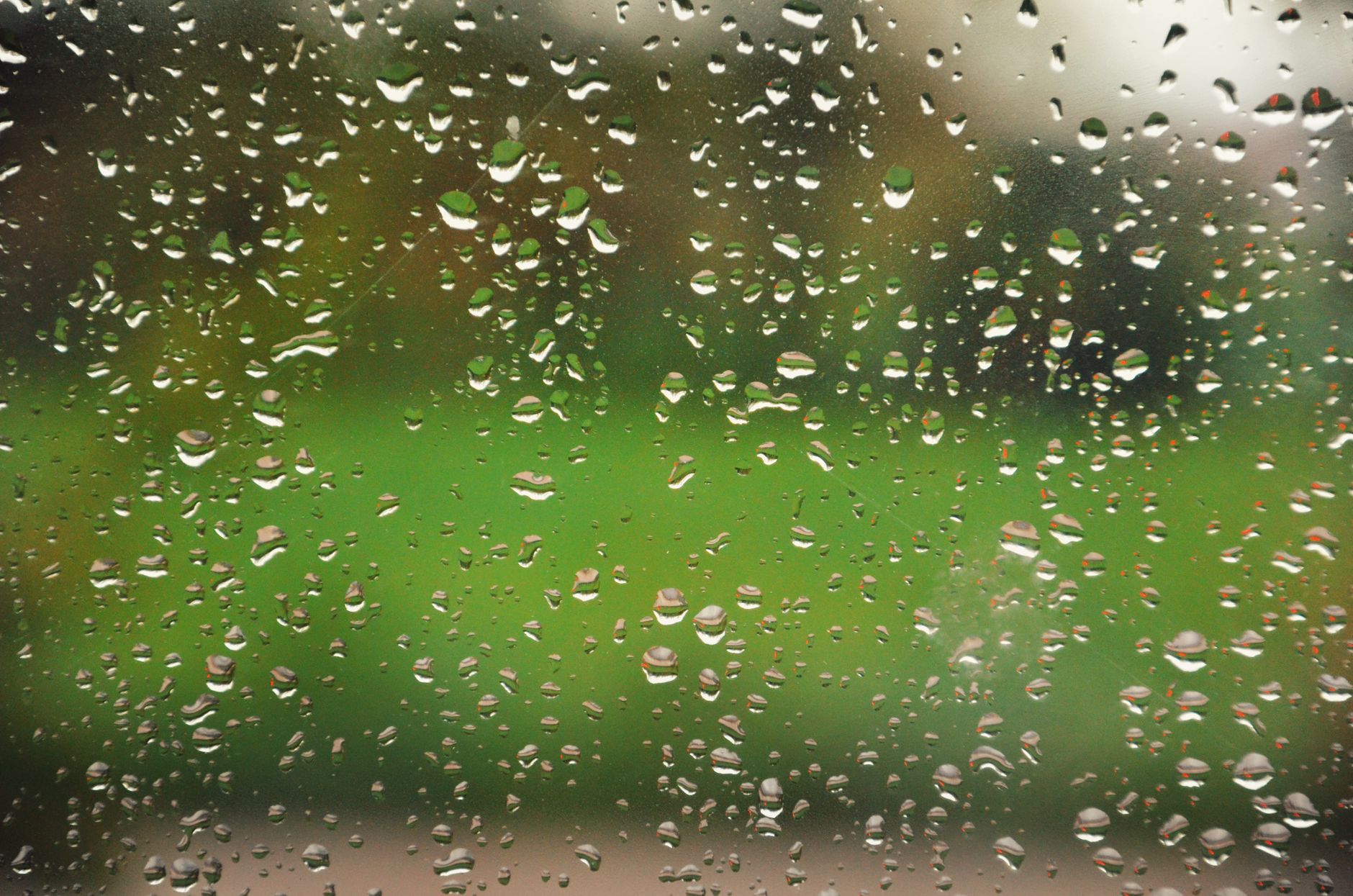
Visible surface wetness is a common sign of condensation damp. This can manifest as streaming windows, water droplets on walls, or puddles on sills. Another tell‑tale sign is the appearance of black mould, particularly in cooler, poorly ventilated areas such as bathrooms, kitchens, bedrooms (especially behind furniture or in corners), and inside wardrobes. This mould is often accompanied by a distinct musty odor.
The damp patches caused by condensation tend to be widespread, often on upper parts of walls, ceilings, and in localized, cold spots, contrasting with the more confined, ground‑level spread of rising damp.
Contributing Factors
Everyday activities like cooking, showering, bathing, and drying laundry indoors are significant contributors to indoor humidity. With a lack of adequate ventilation, this moisture‑laden air cannot escape, leading to condensation.
Risks of Condensation Damp
Beyond aesthetic concerns, condensation poses significant risks to both occupant health and property durability. Prolonged exposure to mould can exacerbate respiratory conditions, allergies, and asthma. For the home, condensation leads to peeling paint, damaged plaster, and can rot wooden window frames, skirting boards, and other timber elements.
Crucially for homeowners, unchecked condensation can undermine the effectiveness and longevity of major home upgrades. New insulation or energy‑efficient windows, while helping to reduce cold surfaces, cannot fully address a severe condensation problem if underlying moisture generation and ventilation issues persist. Dampness also increases a home’s heating demand, negating potential energy savings from other efficiency improvements.
According to the UK Department for Business, Energy & Industrial Strategy, condensation‑related issues cost British homeowners approximately £1.2 billion annually in additional heating bills.
Effective Solutions
Effective condensation reduction techniques focus on improving ventilation, enhancing insulation, and optimizing heating. Installing modern ventilation solutions such as extractor fans, Positive Input Ventilation (PIV) systems, or Mechanical Ventilation with Heat Recovery (MVHR) ensures constant air exchange. Upgrading insulation in lofts, walls, and floors raises internal surface temperatures, preventing moisture from condensing. Installing high‑performance, energy‑efficient windows reduces cold spots, drastically cutting down on window condensation.
Homeowners should also manage moisture at the source by using lids on pans, showering with doors closed, and drying clothes outdoors or in a well‑ventilated area. For persistent or unclear damp issues, a professional property survey is highly recommended to accurately diagnose the root cause and ensure the most effective, integrated solutions are applied.
For accurate diagnosis of damp problems, consulting a certified home inspector is recommended.
| Feature | Vendor A | Vendor B |
|---|---|---|
| Ventilation Efficiency | High | Medium |
| Insulation Quality | Premium | Standard |
| Energy Savings | 20‑30% | 10‑20% |
| Installation Time | 2 days | 3 days |
| Warranty | 10 years | 5 years |
| Estimated Cost | £1,200 | £900 |
Assessing Long‑Term Energy Savings
When investing in home upgrades, initial installation costs are only part of the equation. Homeowners must weigh upfront expenses against long‑term utility bill reductions, thermal performance gains, and potential property value increases.
Material Quality and Durability Standards
Choosing high‑performance materials—such as energy‑efficient window glazing, advanced insulation fibers, or weather‑resistant roofing—ensures structural longevity and minimizes ongoing maintenance overhead.
Assessing Professional Installation vs. DIY
While minor cosmetic updates can be handled independently, major efficiency retrofits require specialized expertise. Professional installation ensures compliance with local building codes and protects manufacturer warranties.
Project Timelines and Weather Windows
Home improvement schedules vary based on project scope and seasonal conditions. Proper planning ensures that exterior renovations or weatherproofing initiatives are completed efficiently without disrupting daily routines.
Maximizing Rebates and Financing Incentives
Many regional and federal programs offer tax credits or rebates for energy‑efficient home upgrades. Evaluating these financial incentives early can significantly offset total project costs.
Warranty Coverage and Quality Assurance
Reliable service providers back their installations with comprehensive workmanship guarantees and manufacturer warranties, giving homeowners long‑term peace of mind.
Ultimately, a successful home improvement project should enhance your property’s daily comfort, boost energy efficiency, and provide long‑lasting value for years to come.