Understanding the critical differences between penetrating damp and rising damp is essential for homeowners seeking to protect their property investments and maintain healthy living environments. These two distinct moisture problems require fundamentally different treatment approaches, with significant implications for repair costs and long-term home durability.
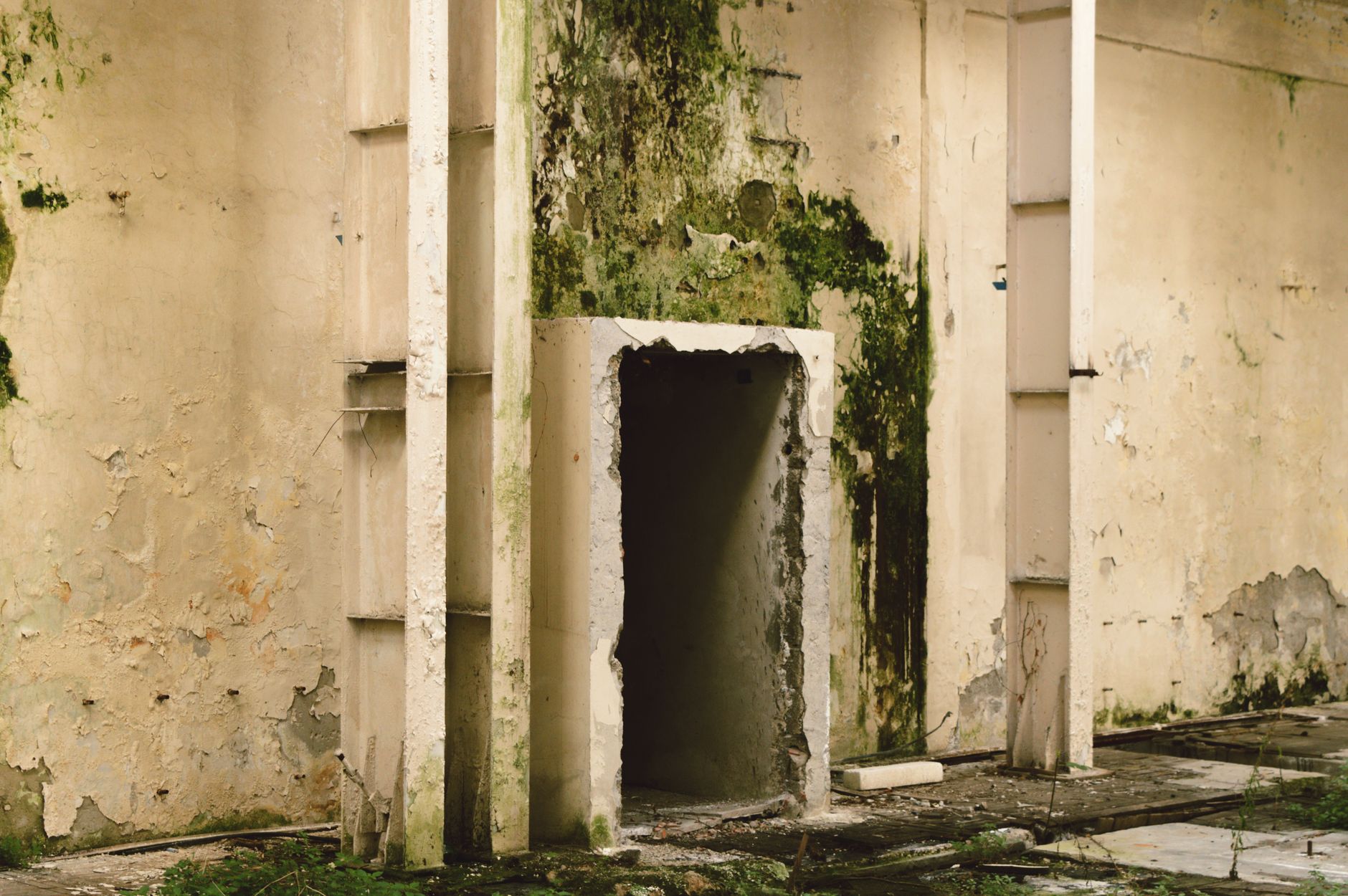
Rising damp occurs when groundwater moves upward through walls or floors via capillary action, typically affecting the lower sections of walls up to approximately 1 meter high. This phenomenon is primarily prevented by damp-proof courses (DPC) - horizontal waterproof barriers made of plastic or bitumen felt installed at least 15cm above ground level - and damp-proof membranes (DPM) beneath floors. Properties built before 1875 may lack these protections entirely, while newer homes benefit from building regulations requirements (Part C for England and Wales). Key indicators include damaged skirting boards, peeling paint or wallpaper with wet patches, white powder-like salt deposits, tide marks ascending walls, and lifting floor coverings. Left untreated, rising damp can contribute to timber decay and deteriorate indoor air quality. Rising damp repairs are often slow and expensive, usually requiring professional intervention and structural modifications.
Penetrating damp results from water leaking through walls horizontally rather than rising vertically, typically caused by structural deficiencies such as faulty guttering, roofing problems, wall cracks, or internal plumbing leaks. This moisture issue expands across walls and ceilings in a horizontal pattern and is more prevalent in older buildings with solid walls, as newer cavity wall construction provides inherent protection. Unlike rising damp, penetrating damp can often be resolved relatively quickly and affordably once the source is identified and addressed. Regular maintenance of external drainage and roofing elements is often the most effective long-term prevention.
To further illustrate the differences between these two types of damp, consider the following table:
| Aspect | Rising Damp | Penetrating Damp |
|---|---|---|
| Cause | Groundwater rising through walls | Water leaking horizontally through walls |
| Prevention | Damp-proof courses and membranes | Repairing structural defects |
| Repair Time | Slow and expensive | Quick and affordable |
| Signs | Peeling paint, salt deposits, tide marks | Horizontal water stains, damp patches |
The financial implications are substantial: misdiagnosis can lead to unnecessary expenses, while proper identification enables targeted, cost-effective solutions. Homeowners should prioritize professional assessment when dealing with persistent damp issues, particularly given that worsening conditions dramatically increase repair costs. Energy efficiency upgrades, while beneficial for overall home performance, can sometimes exacerbate moisture problems in older homes designed for natural breathability, making comprehensive moisture management essential for successful renovation projects.
When considering damp-related issues, it's crucial to understand the potential costs involved. Rising damp repairs can range from £1,500 to £5,000 or more, depending on the property's age and the extent of the damage. Penetrating damp repairs, on the other hand, typically cost between £500 and £2,000, as they often involve simpler fixes. However, these estimates can vary significantly based on the specific circumstances of each case.
To prevent damp issues, homeowners should:
- Ensure proper ventilation in basements and crawl spaces
- Maintain a consistent indoor humidity level (40-60%)
- Regularly inspect and maintain roofing, gutters, and downpipes
- Address any visible cracks or damage to walls and foundations
- Consider installing a dehumidifier in damp-prone areas
If you notice damp patches, tide marks, or salt deposits, it is advisable to arrange a professional inspection before beginning any repairs. Correctly distinguishing between rising and penetrating damp ensures that remedial work addresses the root cause rather than just the symptoms, helping to avoid repeat issues and unnecessary expenditure.
For comprehensive moisture management solutions, consider consulting with a qualified building surveyor or damp specialist. They can provide expert advice tailored to your specific property and help you implement effective prevention strategies.
Need help identifying damp issues in your home? A professional inspection can help determine the type of damp affecting your property and recommend appropriate treatment options.
In conclusion, understanding the differences between penetrating damp and rising damp is crucial for effective home maintenance. By recognizing the warning signs and taking proactive measures, homeowners can protect their properties and create healthier living environments. Remember, when in doubt, consult with a professional to ensure proper diagnosis and treatment of any moisture-related issues.