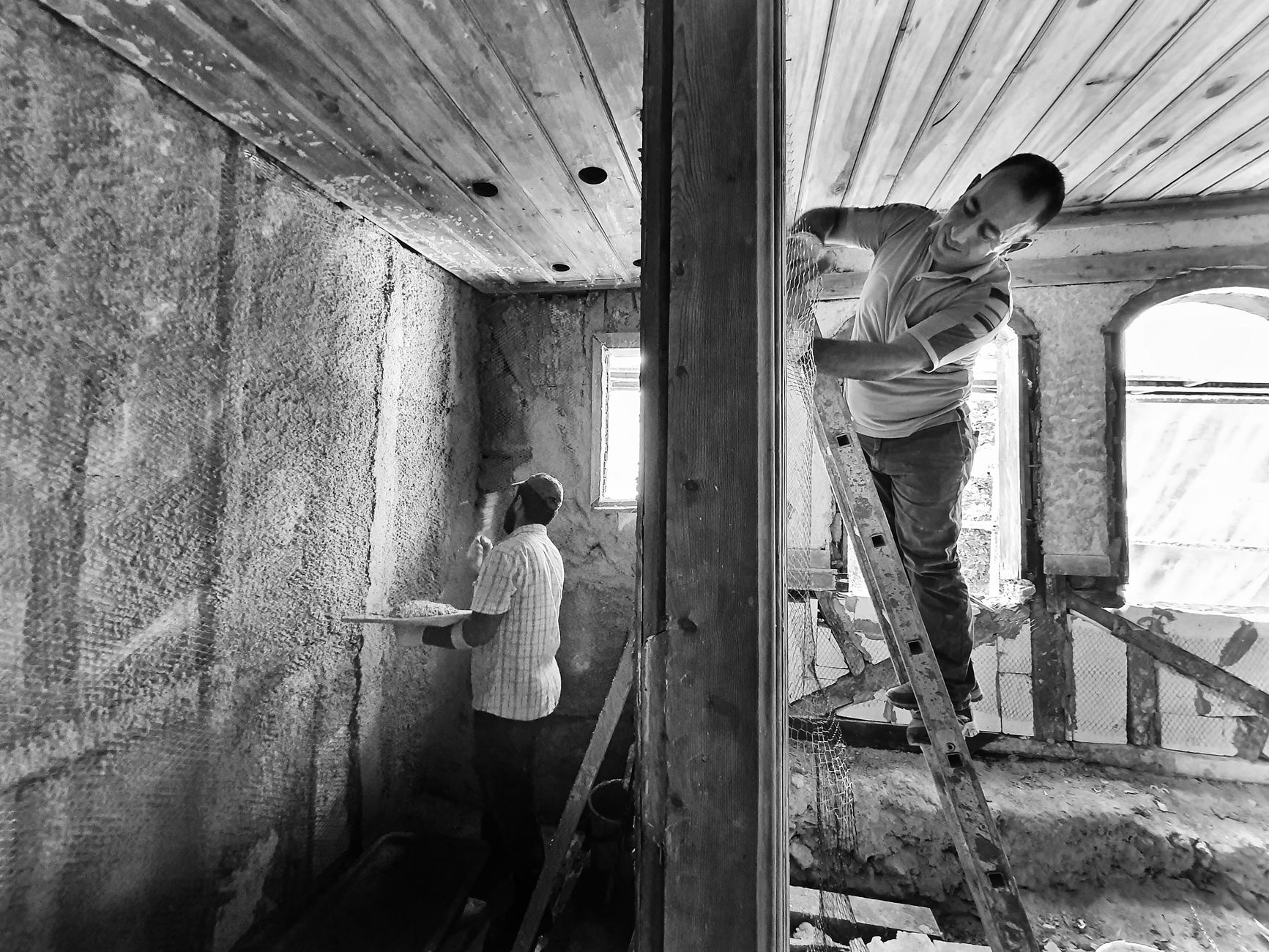
Recent events have underscored the critical importance of proactive home improvements. The Brooklyn building collapse, resulting in multiple fatalities, serves as a stark reminder of the consequences of neglecting structural integrity. Concurrently, the ongoing measles elimination status meeting highlights the impact of indoor air quality on public health. These incidents emphasize the dual benefits of energy-efficient upgrades: they enhance both property safety and comfort.
Energy-efficient home upgrades can reduce utility bills by 20-30% and increase property values by up to 4%. Insulation, high-performance windows, and roofing improvements are proven strategies that lower heating and cooling expenses while protecting against moisture damage and thermal stress.
| Upgrade Type | Benefits |
|---|---|
| Insulation | Improves thermal performance, reduces energy costs, and enhances indoor air quality. |
| High-Performance Windows | Increases energy efficiency, reduces noise, and improves insulation. |
| Roofing Improvements | Protects against moisture damage, improves thermal efficiency, and extends the lifespan of the roof. |
Structural reinforcements and regular maintenance can prevent catastrophic failures, as seen in the Brooklyn collapse. By investing in comprehensive upgrades, homeowners can future-proof their properties against both economic and environmental challenges.
For homeowners looking to enhance their property's safety and efficiency, consulting with qualified professionals can provide tailored guidance. For more information on how to enhance your home's safety and efficiency, contact our team for a free, no-obligation consultation.
Planning a home modernization project? Get in touch with ProNestCX to help you review your choices and plan the right approach.
Assessing Long-Term Energy Savings
When investing in home upgrades, initial installation costs are only part of the equation. Homeowners must weigh upfront expenses against long-term utility bill reductions, thermal performance gains, and potential property value increases. A thorough cost-benefit analysis helps determine which upgrades offer the best return on investment based on your specific climate, usage patterns, and financial goals. Consider creating a spreadsheet to track projected savings over a 5-10 year period, factoring in potential increases in energy prices and maintenance costs.
Material Quality and Durability Standards
Choosing high-performance materials—such as energy-efficient window glazing, advanced insulation fibers, or weather-resistant roofing—ensures structural longevity and minimizes ongoing maintenance overhead. Look for products with ENERGY STAR certifications, industry-standard durability ratings, and warranties that reflect manufacturer confidence. For example, triple-pane windows with low-E coatings can reduce heat transfer by up to 50% compared to standard single-pane options, while closed-cell spray foam insulation offers superior air sealing properties in challenging climates.
Assessing Professional Installation vs. DIY
While minor cosmetic updates can be handled independently, major efficiency retrofits require specialized expertise. Professional installation ensures compliance with local building codes and protects manufacturer warranties. Complex tasks like attic insulation, window replacement, or roofing work often involve structural considerations, electrical components, or hazardous materials that fall outside the scope of typical DIY projects. Certified contractors can also provide documentation for rebate programs and ensure that installations meet energy efficiency standards required for incentives.
Project Timelines and Weather Windows
Home improvement schedules vary based on project scope and seasonal conditions. Proper planning ensures that exterior renovations or weatherproofing initiatives are completed efficiently without disrupting daily routines. Spring and fall often provide ideal conditions for roofing and window installations due to moderate temperatures and lower precipitation risk. However, some projects like insulation can be completed year-round if performed in interior spaces. Always coordinate with contractors to establish realistic timelines that account for potential weather delays, material lead times, and inspection requirements.
Maximizing Rebates and Financing Incentives
Many regional and federal programs offer tax credits or rebates for energy-efficient home upgrades. Evaluating these financial incentives early can significantly offset total project costs. The federal government currently offers a tax credit of up to 30% for qualifying energy efficiency improvements through the Inflation Reduction Act, while state and local utilities may provide additional rebates for specific upgrades like heat pumps or solar installations. Some financing options, such as energy-efficient mortgages or property assessed clean energy (PACE) loans, can help spread costs over time while factoring energy savings into loan calculations.
Warranty Coverage and Quality Assurance
Reliable service providers back their installations with comprehensive workmanship guarantees and manufacturer warranties, giving homeowners long-term peace of mind. When evaluating contractors, ask about their warranty policies, including coverage periods for both materials and labor. Some manufacturers offer extended warranties for premium products, particularly for roofing materials or window systems. Additionally, verify that contractors carry proper insurance and licensing to protect against liability in case of accidents or property damage during installation.
Ultimately, a successful home improvement project should enhance your property's daily comfort, boost energy efficiency, and provide long-lasting value for years to come. By carefully considering material choices, installation methods, and available incentives, homeowners can make informed decisions that align with both immediate needs and long-term goals for their properties.