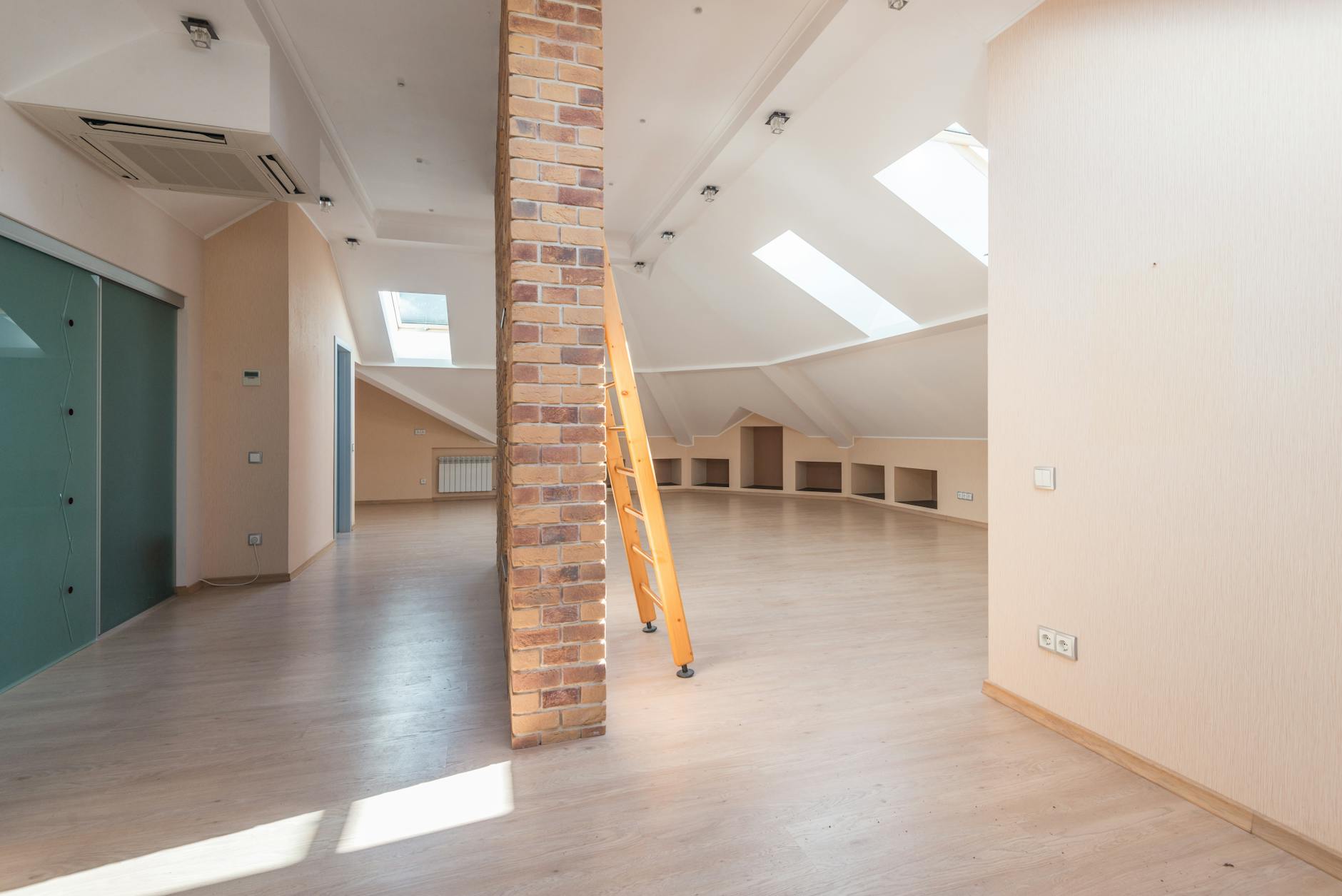
Effective attic insulation is paramount for maintaining consistent indoor temperatures, reducing energy consumption, and enhancing overall home comfort. For homeowners considering an upgrade, the market presents several choices, each with distinct advantages and disadvantages concerning performance, cost, and installation. Understanding these differences is key to making an informed decision that aligns with your home's needs and your energy goals.
Understanding R-Value and Thermal Performance
Before exploring specific insulation types, it's essential to understand R-value. R-value measures thermal resistance; a higher R-value indicates greater insulating power. This metric is crucial because it directly reflects how well insulation prevents heat transfer. The ideal R-value for your attic depends on your climate zone and local building codes, which often provide minimum recommendations for optimal energy efficiency. Beyond R-value, factors like air sealing and proper installation significantly impact overall thermal performance by minimizing air leakage and thermal bridging.
Common Types of Loft Insulation
1. Fiberglass Batts
Fiberglass batts are widely recognized for their accessibility and relatively low material cost, making them a popular choice for DIY enthusiasts. They are typically available in pre-cut rolls or sections designed to fit standard joist spacing. However, despite their ease of initial installation, fiberglass batts generally offer the lowest thermal performance for critical attic spaces. Their inherent structure allows for significant air movement, which can compromise their effective R-value, especially in colder climates.
Poor installation, characterized by gaps, compression, or improper fitting around obstructions, commonly leads to thermal bridges and air leaks. These imperfections severely undermine their insulating capabilities. For attics where thermal efficiency is paramount, fiberglass batts often fall short of delivering superior, long-term energy savings and consistent indoor temperatures.
2. Loose-Fill Fiberglass
Loose-fill fiberglass is a common insulation choice, particularly in new construction, and is installed using a specialized blower machine that fluffs the material into place. It offers an R-value of approximately 2.5 per inch. While similar in material composition to batts, its blown-in application allows it to conform more closely to irregular spaces and obstructions, potentially reducing some air gaps compared to batts.
Historically, loose-fill fiberglass faced criticism regarding performance degradation in cold temperatures due to convection within the material. Modern manufacturers, however, assert that advancements in product design have significantly improved its thermal resistance, mitigating much of the previous R-value losses. Despite these improvements, loose-fill fiberglass still experiences some air movement compared to denser insulation materials, meaning it might not create the complete air barrier achieved by other options. Professional installation is generally recommended to ensure even distribution and optimal coverage, which is critical for its performance.
3. Cellulose Insulation
Cellulose insulation stands out as a superior alternative to fiberglass batts, offering a higher R-value and better air-sealing properties. Made primarily from recycled paper products, it is treated with boric acid to enhance fire resistance and deter pests. Cellulose boasts an R-value of approximately 3.5 per inch, providing a robust thermal barrier.
Its dense composition is highly effective at reducing air movement within the attic space, which helps control frost buildup and significantly improves overall thermal performance compared to less dense materials. Cellulose can be installed as loose-fill, requiring a rented blower for DIY application, though this process can generate considerable dust. For optimal results and reduced dust, professional wet-spray cellulose application is available, which uses a binder to help the material adhere and create an even denser, more effective thermal envelope. Choosing cellulose not only provides excellent insulation but also contributes to sustainable building practices through its recycled content.
4. Spray Foam Insulation
Spray foam insulation represents the highest echelon of thermal performance, creating a truly exceptional air barrier that eliminates heat transfer through convection. It excels at filling all nooks, crannies, and irregularly shaped spaces, ensuring a complete and seamless thermal envelope. Spray foam is available in two primary types:
- Closed-Cell Spray Foam: This rigid foam offers an impressive R-value of approximately 6.5 per inch. At just two inches thick, closed-cell foam also acts as an effective moisture barrier, making it ideal for attics prone to moisture issues or in humid climates. Its density and structural integrity can even add minor racking strength to a building assembly.
- Open-Cell Spray Foam: With a softer, more flexible texture, open-cell foam provides an R-value of roughly 3.6 per inch. While it doesn't offer the same moisture barrier properties as closed-cell foam, it still creates an excellent air seal and can be more permeable, which some builders prefer for moisture management in certain applications.
Both types significantly regulate indoor temperatures, leading to substantial energy savings. However, the superior performance comes with higher costs and the absolute necessity of professional installation. Specialized equipment and expertise are required for proper application, and DIY attempts are strongly discouraged due to the complexity of mixing chemicals, ensuring proper curing, and managing potential health concerns related to off-gassing during installation. Selecting a qualified professional is critical for safe and effective spray foam application that meets performance expectations.
Comparison of Loft Insulation Types
| Insulation Type | Approx. R-Value per Inch | Primary Advantages | Primary Disadvantages | Installation |
|---|---|---|---|---|
| Fiberglass Batts | 2.9 - 3.8 | Low material cost, DIY-friendly | Poor air seal, thermal bridging, low performance if poorly installed | DIY or Professional |
| Loose-Fill Fiberglass | 2.5 | Conforms to irregular spaces, common in new builds | Some air movement, requires professional blower | Professional Recommended |
| Cellulose | 3.5 | Dense, reduces air movement, recycled content, good frost control | Can be dusty (DIY), professional blower needed | DIY (with blower) or Professional |
| Spray Foam (Open-Cell) | 3.6 | Excellent air barrier, fills voids, sound dampening | Higher cost, professional installation required, off-gassing during cure | Professional Only |
| Spray Foam (Closed-Cell) | 6.5 | Highest R-value, excellent air/moisture barrier, adds structural rigidity | Highest cost, professional installation required, off-gassing during cure | Professional Only |
Choosing the Best Insulation for Your Home
The "best" attic insulation isn't a one-size-fits-all answer; it depends on a careful balance of your desired thermal performance, budget, and willingness for professional versus DIY installation. Evaluating these factors objectively will guide you to the most suitable choice.
1. Thermal Performance Goals
If your primary goal is maximum energy efficiency and an airtight home envelope, spray foam insulation, particularly closed-cell, is unparalleled. Its ability to create a seamless air barrier significantly reduces heat transfer, leading to the most consistent indoor temperatures and substantial long-term energy savings. Cellulose offers a very strong balance, providing good density and air-sealing properties superior to fiberglass. Fiberglass batts are generally suitable only if existing insulation is minimal and budget is extremely tight, but even then, performance improvements are limited without meticulous installation and comprehensive air sealing.
2. Budget Considerations
Cost is often a significant factor in any home improvement project. Fiberglass batts typically represent the lowest upfront material cost, followed by loose-fill fiberglass and cellulose. Spray foam insulation has the highest initial investment due to material costs and the necessity of specialized professional application. However, it's crucial to view insulation as a long-term investment. Higher upfront costs for superior materials like spray foam or dense-pack cellulose can lead to greater energy savings over the lifespan of your home, potentially offering a better return on investment over time. Consider the total cost of ownership rather than just the initial outlay.
3. Installation Suitability: DIY vs. Professional
Fiberglass batts are the most accessible for DIY installation, though improper fitting can negate many benefits. Loose-fill cellulose can be a DIY project with rented equipment, but it's labor-intensive and dusty. Loose-fill fiberglass and both types of spray foam demand professional installation. Spray foam, in particular, requires expert handling of chemicals, safety equipment, and precise application techniques to avoid botched installations, health hazards from off-gassing, and ensure optimal performance. Professional installers have the experience to navigate complex attic geometries and ensure proper air sealing alongside insulation, guaranteeing the intended performance.
4. Climate and Regional Requirements
Your local climate zone dictates the recommended R-value for your attic. Colder climates require higher R-values to prevent heat loss, making high-performance options like spray foam or dense cellulose more beneficial. Warmer climates also benefit from high R-values to resist heat gain and maintain a cool indoor environment. Always consult with local authorities or a qualified energy auditor for specific building codes and R-value requirements in your region to ensure compliance and maximize efficiency for your specific climate.
For a detailed understanding of how different R-values impact your energy bills, explore our guide on Understanding Insulation R-Value.
The Importance of Air Sealing
Regardless of the insulation type chosen, achieving maximum energy efficiency often involves professional air sealing. Insulation slows heat transfer, but air leaks allow conditioned air to escape and unconditioned air to enter, undermining even the best insulation. Common air leak pathways in attics include gaps around penetrations (pipes, wires, chimneys), dropped soffits, and poorly sealed attic hatches. Addressing these air leaks before insulating is a foundational step in any effective attic upgrade, ensuring your chosen insulation performs optimally and provides the intended benefits.
Considering a broader home energy audit? Learn about the benefits of a comprehensive assessment in our article on Home Energy Audits for Enhanced Efficiency.
Regulatory Notes and Safety
Homeowners should be aware of several important considerations before undertaking an insulation project. Always wear appropriate personal protective equipment (PPE), including a respirator, gloves, and eye protection, when handling any insulation type. For spray foam, proper ventilation and adherence to manufacturer guidelines during and after installation are crucial to manage off-gassing and ensure indoor air quality. Consulting with local authorities for specific building codes, R-value requirements, and inspection protocols is advisable for any major insulation project. Improper installation can lead to reduced performance and potential structural or health issues, making professional expertise a wise investment for most high-performance options.
ProNest CX: Your Partner in Home Performance
At ProNest CX, we understand that upgrading your home’s insulation is a significant decision. Our approach is to provide objective, consultative guidance, helping you navigate the options to find the solution that best fits your specific needs and budget. We focus on quality materials and professional execution to ensure lasting comfort, superior energy savings, and enhanced home durability, acting as a trusted partner throughout your project.
Conclusion
Choosing the best loft insulation involves weighing the performance characteristics, costs, and installation requirements of fiberglass batts, loose-fill fiberglass, cellulose, and spray foam. While fiberglass batts are the simplest, they often offer the lowest performance when not meticulously installed and air-sealed. Cellulose provides a good balance of performance and environmental benefits, while spray foam delivers the highest thermal resistance and air sealing capabilities, albeit at a higher cost and requiring specialized installation. Ultimately, making an informed choice about your attic insulation will significantly enhance your home's energy efficiency, comfort, and overall value, contributing to a more sustainable and cost-effective living space.
Not sure which insulation upgrade offers the best fit for your home? Reach out to our advisors to discuss thermal performance options.