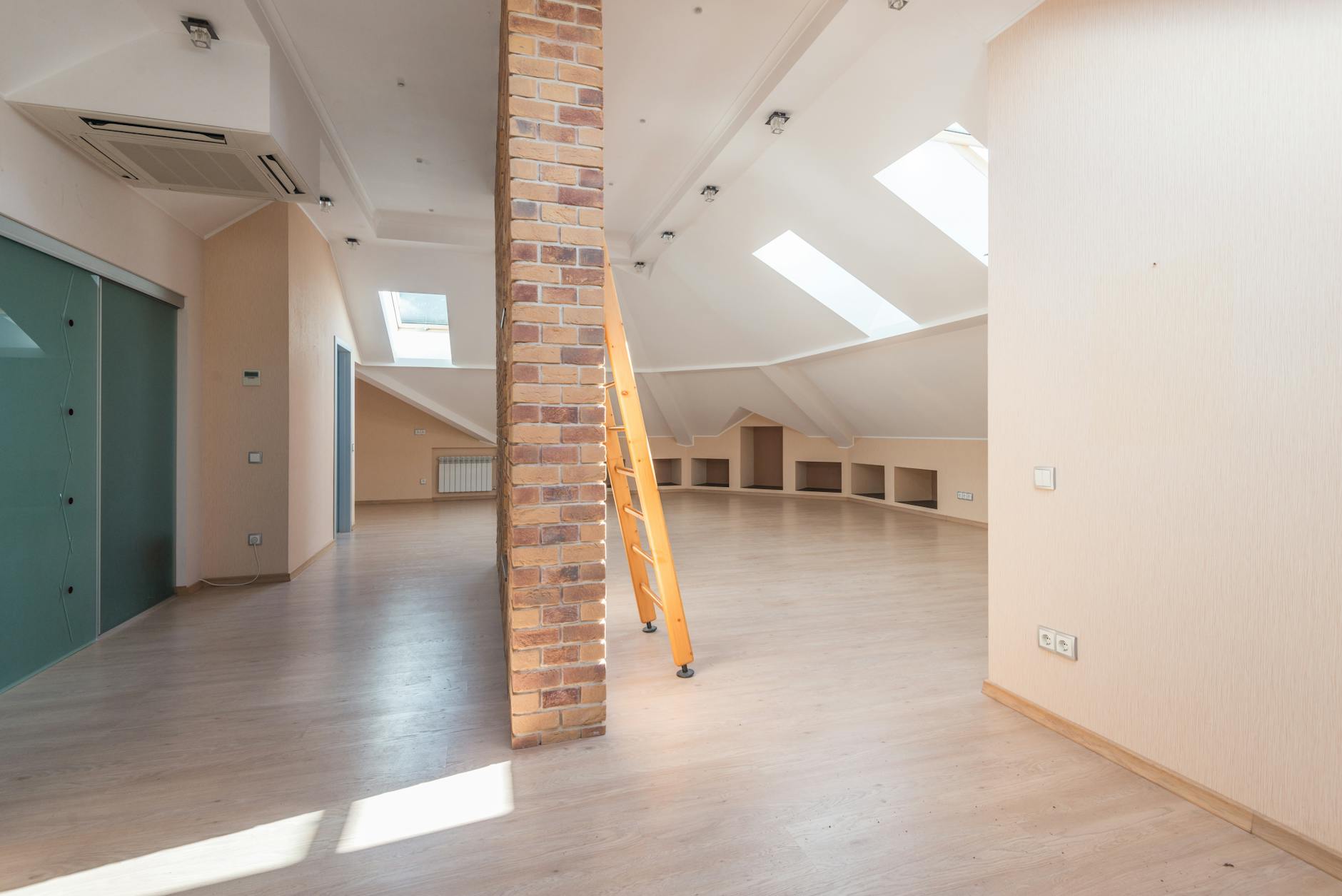
Homeowners often assume that more insulation is always better, but excessively thick loft insulation can lead to a range of unintended consequences. These issues compromise property efficiency, comfort, and even structural integrity. Understanding the delicate balance required for optimal loft insulation is crucial for maintaining a healthy and energy-efficient home.
Restricted Ventilation
The primary concern with insulation that is too thick is the potential for restricted ventilation. Lofts require adequate airflow to prevent moisture build-up. If insulation is packed too tightly against the eaves or soffit vents, it can block these crucial ventilation pathways. Without proper air circulation, warm, moist air rising from the living spaces below can condense in the colder loft space. This condensation can lead to serious issues such as dampness, timber rot in roof trusses and joists, and the growth of black mould on surfaces and stored items.
Mould not only poses health risks but can also degrade building materials, necessitating costly repairs. A common recommendation, for instance in UK homes, is to maintain an insulation depth of around 270-300mm (approximately 10.6 to 11.8 inches), but this must always be balanced with ensuring ventilation paths remain clear. Some building codes specify minimum clearances, often around 50mm (2 inches), between insulation and roof sheathing or ventilation baffles.
Structural Load and Diminishing Returns
Another less common but potential issue relates to structural load. While most modern loft insulation materials (like mineral wool or cellulose) are relatively lightweight, extremely thick layers, particularly if they become damp, can add considerable weight over time. This could theoretically strain ceiling joists, especially in older properties not designed for such loads. However, a more practical concern is the diminishing returns on investment. Beyond a certain R-value (thermal resistance), adding more insulation provides incrementally smaller benefits for a disproportionately higher cost.
For example, upgrading from R-30 to R-60 might halve the remaining heat loss, but the cost and potential ventilation issues might outweigh the minimal additional energy savings. Focusing on air sealing before adding excessive insulation is often a more cost-effective strategy.
Impeded Access and Inspection
Very thick insulation can impede access and inspection. If the loft is used for storage, excessive insulation reduces usable space and can make navigating the area difficult. More critically, it can obscure joists, wiring, plumbing, and other structural elements, making it challenging to identify and address issues like leaks, pest infestations, or electrical problems without disturbing the insulation. Improper installation, where insulation is too thick or compressed, can also create voids or compressions that compromise the air barrier, leading to unintended air leaks and reduced overall thermal performance.
Balancing Insulation Thickness
To balance insulation thickness effectively, consider the following factors:
- Local Climate: Colder climates may require thicker insulation to achieve the same thermal performance as milder climates.
- Building Design: Older properties may have different structural requirements compared to newer builds.
- Ventilation Needs: Ensure that insulation does not block essential ventilation pathways.
- Cost-Benefit Analysis: Evaluate the incremental benefits of additional insulation against the potential costs and risks.
ProNest CX advises homeowners to seek professional assessment for their loft insulation needs. Our experts can evaluate existing insulation, recommend optimal thickness based on specific property characteristics and local climate, and ensure that vital ventilation pathways are preserved or enhanced. We prioritize long-term savings, comfort, and the durability of your home by selecting quality materials and ensuring expert installation that balances thermal performance with essential building science principles.
| Insulation Thickness | Thermal Performance | Ventilation Risks | Structural Concerns |
|---|---|---|---|
| 270-300mm | Optimal balance for most climates | Low risk if ventilation paths are clear | Minimal structural impact |
| 300-400mm | Improved thermal performance | Moderate risk if ventilation is restricted | Potential structural load issues |
| 400mm+ | Diminishing returns on thermal performance | High risk of restricted ventilation | Significant structural load concerns |
By understanding these factors, homeowners can make informed decisions about their loft insulation, ensuring optimal thermal performance without compromising ventilation or structural integrity.
Not sure which insulation upgrade offers the best fit for your home? Consult with our experts to discuss thermal performance options.
Assessing Long-Term Energy Savings
When investing in home upgrades, initial installation costs are only part of the equation. Homeowners must weigh upfront expenses against long-term utility bill reductions, thermal performance gains, and potential property value increases.
Material Quality and Durability Standards
Choosing high-performance materials—such as energy-efficient window glazing, advanced insulation fibers, or weather-resistant roofing—ensures structural longevity and minimizes ongoing maintenance overhead.
Assessing Professional Installation vs. DIY
While minor cosmetic updates can be handled independently, major efficiency retrofits require specialized expertise. Professional installation ensures compliance with local building codes and protects manufacturer warranties.
Project Timelines and Weather Windows
Home improvement schedules vary based on project scope and seasonal conditions. Proper planning ensures that exterior renovations or weatherproofing initiatives are completed efficiently without disrupting daily routines.
Maximizing Rebates and Financing Incentives
Many regional and federal programs offer tax credits or rebates for energy-efficient home upgrades. Evaluating these financial incentives early can significantly offset total project costs.
Warranty Coverage and Quality Assurance
Reliable service providers back their installations with comprehensive workmanship guarantees and manufacturer warranties, giving homeowners long-term peace of mind.
Ultimately, a successful home improvement project should enhance your property's daily comfort, boost energy efficiency, and provide long-lasting value for years to come.