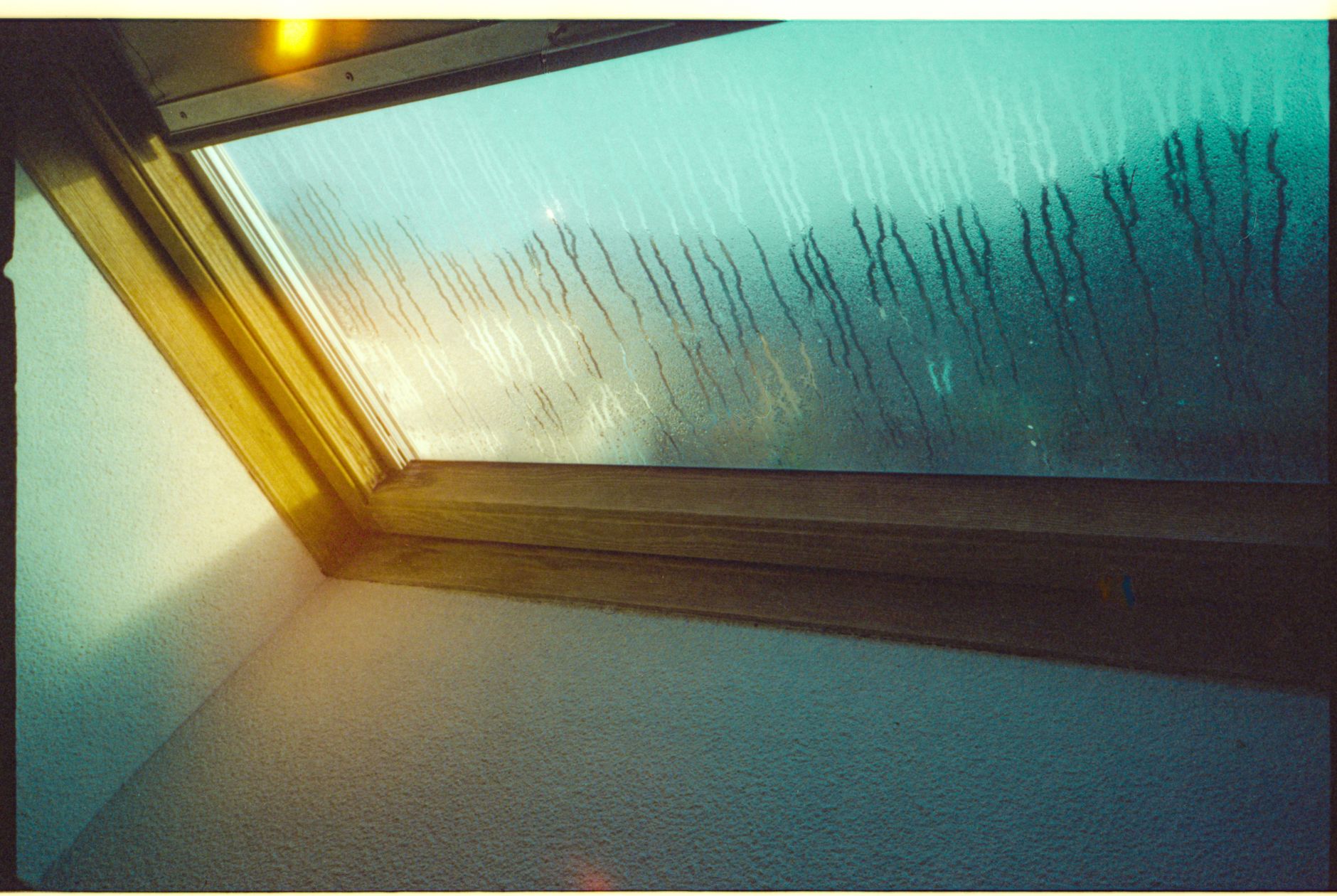
Homeowners who wake up to damp patches on interior walls often face a hidden moisture problem that can affect comfort, indoor air quality, and structural integrity. The primary culprit is wall condensation, which occurs when warm, humid indoor air contacts cooler wall surfaces—particularly in poorly insulated areas. This temperature differential causes water vapor to condense into liquid droplets, leading to visible sweating walls, peeling paint, and, over time, mold growth.
Research from USA Insulation shows that 80% of condensation-related moisture issues are tied to insufficient wall insulation or air leaks. Typical indoor humidity should stay between 30-50%; exceeding this range dramatically raises the risk of condensation, especially in basements, bathrooms, kitchens, and rooms adjacent to exterior walls during colder months.
Understanding Wall Condensation
Condensation occurs when the temperature of a surface drops below the dew point of the surrounding air. In homes, this often happens on interior walls, particularly in areas with poor insulation or air leaks. The dew point is the temperature at which air becomes saturated with water vapor, causing it to condense into liquid water.
For example, if the indoor air temperature is 70°F (21°C) with a relative humidity of 50%, the dew point is approximately 50°F (10°C). If a wall surface is cooler than 50°F, condensation will occur. This is why poorly insulated walls are more prone to condensation, as they fail to maintain a consistent temperature.
Common Causes of Wall Condensation
Several factors contribute to wall condensation, including:
- Poor Insulation: Insufficient insulation allows heat to escape, causing interior walls to cool down, which in turn promotes condensation.
- Air Leaks: Gaps around windows, doors, and other openings allow cold air to infiltrate, further cooling interior surfaces.
- High Indoor Humidity: Activities like cooking, showering, and drying clothes increase indoor humidity levels, providing more water vapor for condensation to occur.
Solutions to Prevent Wall Condensation
Addressing wall condensation requires a multi-faceted approach focusing on improving insulation, sealing air leaks, and controlling indoor humidity. Here are some practical solutions:
1. Improve Wall Insulation
Upgrading wall insulation is one of the most effective ways to prevent condensation. Insulation materials like fiberglass batts, spray foam, or rigid foam boards can significantly raise the temperature of interior walls. According to field studies, upgrading insulation can reduce the risk of condensation by up to 90%.
For example, injecting spray foam insulation into wall cavities can create a continuous thermal barrier, effectively sealing off cold spots and preventing air infiltration. This not only improves thermal performance but also enhances the home's energy efficiency.
2. Seal Air Leaks
Air leaks around windows, doors, and other openings allow cold air to infiltrate, further cooling interior surfaces and promoting condensation. Sealing these leaks with caulk, weatherstripping, or foam sealant can significantly reduce air infiltration and improve thermal performance.
For instance, installing weatherstripping around windows and doors can prevent cold air from entering, while sealing gaps in baseboards and around electrical outlets can further minimize air leaks. These measures not only help prevent condensation but also enhance the home's energy efficiency.
3. Control Indoor Humidity
Maintaining indoor humidity levels between 30-50% is crucial for preventing condensation. This can be achieved through a combination of dehumidifiers, ventilation, and properly sized HVAC systems.
Dehumidifiers are particularly effective in areas prone to high humidity, such as basements, bathrooms, and kitchens. By removing excess moisture from the air, dehumidifiers help prevent condensation and reduce the risk of mold growth. Additionally, ensuring that the HVAC system is properly sized and maintained can help regulate indoor humidity levels.
Immediate Actions for Existing Condensation
If condensation has already appeared on your walls, immediate action is essential to prevent further damage. Here are some steps to take:
- Dry the Affected Area: Use fans, dehumidifiers, or open windows to dry the affected area and reduce humidity levels.
- Check for Hidden Mold: Inspect the area for signs of mold growth, which can indicate a more serious moisture problem.
- Apply Mold-Resistant Paint: Once the moisture source is addressed, apply mold-resistant paint to the affected area to prevent further damage.
Professional Energy Audit
A professional energy audit can help identify specific insulation weak points and air leaks in your home. By pinpointing these issues, a professional can recommend targeted upgrades that maximize long-term savings and durability.
For example, an energy audit may reveal that certain areas of your home have insufficient insulation or air leaks that need to be sealed. Based on these findings, a professional can recommend specific insulation upgrades or air-sealing measures to address these issues effectively.
Conclusion
Wall condensation is a common problem that can be prevented and addressed with the right solutions. By improving insulation, sealing air leaks, and controlling indoor humidity, homeowners can eliminate morning-wet walls and enhance energy efficiency, protect property value, and improve indoor health.
Not sure which insulation upgrade offers the best fit for your home? Reach out to our advisors to discuss thermal performance options.
| Feature | Vendor A | Vendor B |
|---|---|---|
| Pricing | $$ | $$ |
Assessing Long-Term Energy Savings
When investing in home upgrades, initial installation costs are only part of the equation. Homeowners must weigh upfront expenses against long-term utility bill reductions, thermal performance gains, and potential property value increases.
Material Quality and Durability Standards
Choosing high-performance materials—such as energy-efficient window glazing, advanced insulation fibers, or weather-resistant roofing—ensures structural longevity and minimizes ongoing maintenance overhead.
Assessing Professional Installation vs. DIY
While minor cosmetic updates can be handled independently, major efficiency retrofits require specialized expertise. Professional installation ensures compliance with local building codes and protects manufacturer warranties.
Project Timelines and Weather Windows
Home improvement schedules vary based on project scope and seasonal conditions. Proper planning ensures that exterior renovations or weatherproofing initiatives are completed efficiently without disrupting daily routines.
Maximizing Rebates and Financing Incentives
Many regional and federal programs offer tax credits or rebates for energy-efficient home upgrades. Evaluating these financial incentives early can significantly offset total project costs.
Warranty Coverage and Quality Assurance
Reliable service providers back their installations with comprehensive workmanship guarantees and manufacturer warranties, giving homeowners long-term peace of mind.
Ultimately, a successful home improvement project should enhance your property's daily comfort, boost energy efficiency, and provide long-lasting value for years to come.
Ultimately, a successful home improvement project should enhance your property's daily comfort, boost energy efficiency, and provide long-lasting value for years to come.
Ultimately, a successful home improvement project should enhance your property's daily comfort, boost energy efficiency, and provide long-lasting value for years to come.
Ultimately, a successful home improvement project should enhance your property's daily comfort, boost energy efficiency, and provide long-lasting value for years to come.
Ultimately, a successful home improvement project should enhance your property's daily comfort, boost energy efficiency, and provide long-lasting value for years to come.