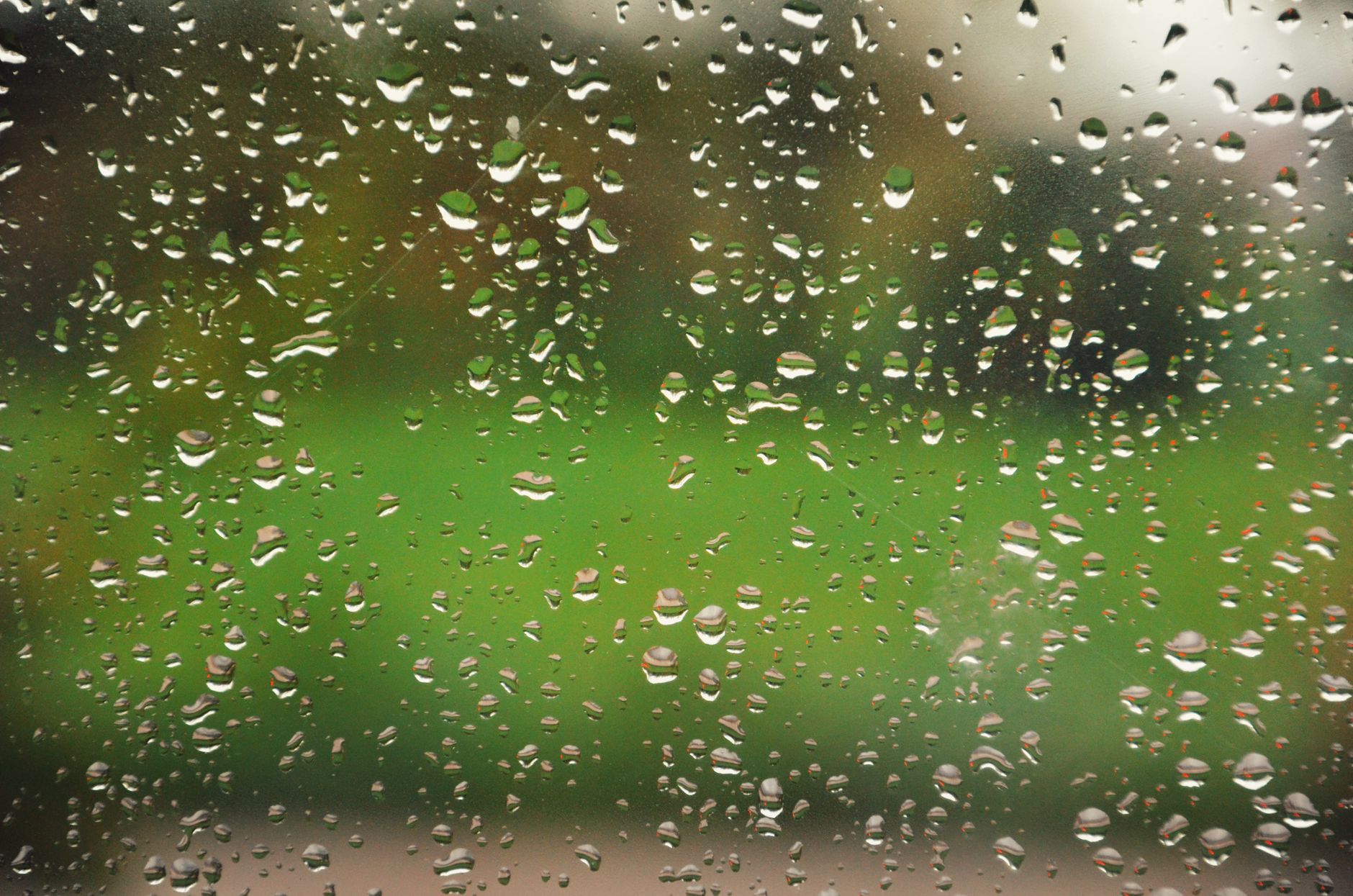
Waking up to wet windows every morning is a common household issue that can be both puzzling and concerning. This phenomenon is often a symptom of condensation, a natural process that occurs when warm, humid indoor air meets a cold surface, such as a window pane. Understanding the causes and implications of condensation can help you manage it effectively and improve your home's overall comfort and energy efficiency.
Understanding Condensation
Condensation happens when water vapor in the air transforms into liquid water. This process is governed by the dew point, which is the temperature at which the air becomes saturated with moisture and can no longer hold all the water vapor it contains. When the temperature of a surface, like a window, drops below the dew point, the excess moisture condenses and forms droplets.
Condensation can occur both inside and outside your windows. Interior condensation is more common and typically appears on the inner pane of double-glazed windows. Exterior condensation, on the other hand, occurs on the outer pane and is often a sign that the window is performing its job well by keeping heat inside.
Types of Condensation
Interior Condensation
Interior condensation is the more common and problematic type. It occurs when warm, humid air from inside your home comes into contact with the cold glass of your windows. This can happen due to several reasons, including:
- Heat Loss Through Windows: Poorly insulated windows can lead to significant heat loss, causing the glass to cool down and promoting condensation.
- Poor Ventilation: Inadequate ventilation can trap moisture inside your home, increasing the likelihood of condensation.
- Excess Humidity: Activities like cooking, showering, and drying clothes indoors can add moisture to the air, contributing to condensation.
A study from the UK's Energy Saving Trust reports that 70% of households experience interior window condensation during winter months. Homes with inadequate insulation see up to 60% more heat loss through windows, making them more susceptible to condensation.
Exterior Condensation
Exterior condensation occurs on the outer pane of your windows and is often a sign that your windows are performing their job well. When the temperature outside drops significantly, the outer pane can become cold enough to cause condensation. This is particularly common on humid, still nights.
While exterior condensation may not be as problematic as interior condensation, it can still be unsightly and may indicate that your windows are not as energy-efficient as they could be.
Managing Condensation
Effective management of condensation involves a combination of strategies to reduce indoor moisture, improve ventilation, and address specific issues. Here are some practical tips:
Reducing Indoor Moisture
- Open Windows When Cooking: Ventilate your kitchen by opening windows or using a range hood to reduce moisture buildup.
- Use Extractor Fans: Install extractor fans in bathrooms and kitchens to remove excess moisture from the air.
- Avoid Indoor Laundry Drying: Dry clothes outdoors or in a well-ventilated area to prevent adding moisture to your home.
Improving Ventilation
- Use Ventilation Fans: Install ventilation fans in key areas like bathrooms, kitchens, and living rooms to improve air circulation.
- Ensure Proper Insulation: Adequate insulation in your attic, walls, and floors can help maintain a consistent indoor temperature and reduce heat loss through windows.
Addressing Specific Issues
- Wipe Excess Moisture: Regularly wipe down windows to remove excess moisture and prevent it from seeping into the frame and causing damage.
- Use Dehumidifiers: Consider using a dehumidifier to reduce the amount of moisture in the air, especially in humid climates or during specific seasons.
- Apply Water-Repellent Coatings: For exterior condensation, applying water-repellent coatings to the outer pane of your windows can help mitigate the issue.
Upgrading Windows for Better Performance
Upgrading to high-performance, double-glazed windows can dramatically lower the risk of condensation while improving thermal efficiency and long-term energy savings. Double-glazed windows consist of two panes of glass with a gap filled with an insulating gas, such as argon or krypton, which helps to reduce heat loss and improve insulation.
High-performance windows are often eligible for ENERGY STAR certification and local rebates, making them a cost-effective investment. They can also enhance the comfort of your home by providing better insulation and reducing the need for excessive heating.
Conclusion
Wet windows in the morning are a common issue that can be managed effectively with the right strategies. By understanding the causes of condensation and implementing practical solutions, you can improve the comfort and energy efficiency of your home. Upgrading to high-performance windows can provide long-term benefits and align with ProNest CX's focus on durable, comfort-enhancing upgrades.
Looking to improve thermal efficiency without compromising design? Contact our team to evaluate the right window and door upgrades for your project.
| Feature | Vendor A | Vendor B |
|---|---|---|
| Pricing | $$ | $$ |
Assessing Long-Term Energy Savings
When investing in home upgrades, initial installation costs are only part of the equation. Homeowners must weigh upfront expenses against long-term utility bill reductions, thermal performance gains, and potential property value increases.
Material Quality and Durability Standards
Choosing high-performance materials—such as energy-efficient window glazing, advanced insulation fibers, or weather-resistant roofing—ensures structural longevity and minimizes ongoing maintenance overhead.
Assessing Professional Installation vs. DIY
While minor cosmetic updates can be handled independently, major efficiency retrofits require specialized expertise. Professional installation ensures compliance with local building codes and protects manufacturer warranties.
Project Timelines and Weather Windows
Home improvement schedules vary based on project scope and seasonal conditions. Proper planning ensures that exterior renovations or weatherproofing initiatives are completed efficiently without disrupting daily routines.
Maximizing Rebates and Financing Incentives
Many regional and federal programs offer tax credits or rebates for energy-efficient home upgrades. Evaluating these financial incentives early can significantly offset total project costs.
Warranty Coverage and Quality Assurance
Reliable service providers back their installations with comprehensive workmanship guarantees and manufacturer warranties, giving homeowners long-term peace of mind.
Ultimately, a successful home improvement project should enhance your property's daily comfort, boost energy efficiency, and provide long-lasting value for years to come.
Ultimately, a successful home improvement project should enhance your property's daily comfort, boost energy efficiency, and provide long-lasting value for years to come.
Ultimately, a successful home improvement project should enhance your property's daily comfort, boost energy efficiency, and provide long-lasting value for years to come.
Ultimately, a successful home improvement project should enhance your property's daily comfort, boost energy efficiency, and provide long-lasting value for years to come.
Ultimately, a successful home improvement project should enhance your property's daily comfort, boost energy efficiency, and provide long-lasting value for years to come.