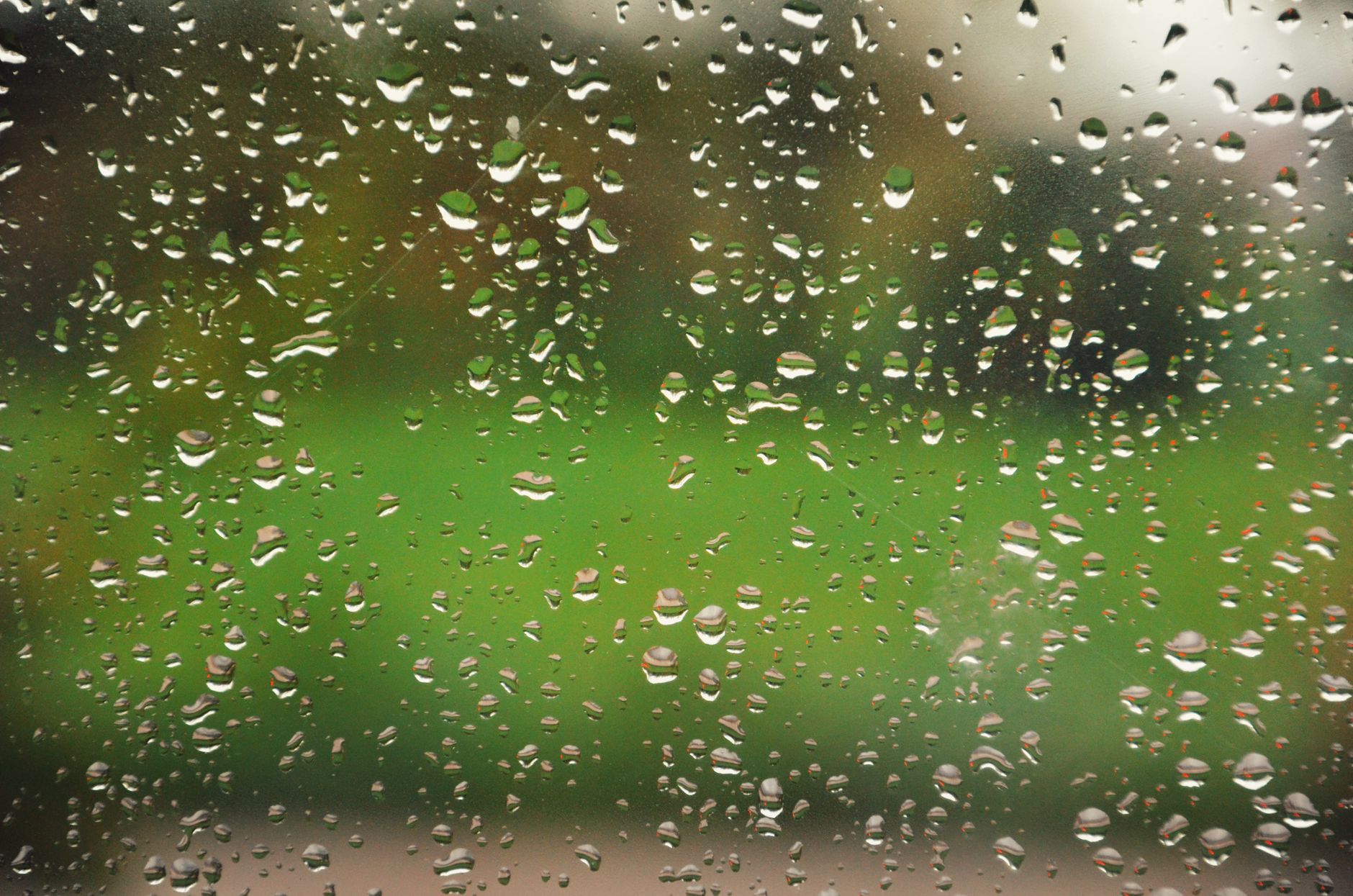
Condensation in winter is a common issue that many homeowners face. It often appears as water droplets or frost on windows, mirrors, or other cold surfaces. While it can be unsightly, understanding the underlying causes and implementing effective solutions is crucial for maintaining a comfortable, healthy, and structurally sound home.
The Science Behind Condensation
Condensation is a physical phenomenon where water vapor in the air transitions from a gaseous state into liquid water droplets. This occurs when warm, moist air cools down to its 'dew point' – the specific temperature at which it can no longer hold all its moisture. When this super-saturated air comes into contact with a surface that is at or below the dew point, the excess moisture precipitates out as visible water.
In winter, indoor air is often warmer and holds more moisture (has a higher relative humidity) due to daily household activities compared to the colder outdoor air. When this humid indoor air meets a cold window pane or an inadequately insulated wall, the surface acts as a heat sink, rapidly cooling the adjacent air. If the surface temperature drops below the dew point of the indoor air, condensation forms.
Sources of Indoor Humidity
Numerous everyday activities contribute significantly to indoor humidity levels. A typical family of four can release several gallons of water vapor into the air daily through routine actions such as:
- Breathing and Perspiration: Humans and pets constantly release moisture.
- Cooking: Boiling water, simmering pots, and using ovens add substantial moisture, especially without adequate ventilation.
- Showering and Bathing: A single shower can add half a pint of water to the air.
- Laundry: Drying clothes indoors, whether on racks or in an unvented dryer, can release up to nine pints of water per load.
- Dishwashing: Modern dishwashers can also contribute, particularly older models or if the drying cycle vents into the room.
- Houseplants: Plants release moisture into the air through a process called transpiration.
- Unvented Combustion Appliances: Kerosene heaters or gas stoves without proper venting can release significant amounts of water vapor as a byproduct of combustion.
While beneficial for energy efficiency, modern, well-sealed homes can trap this moisture, exacerbating condensation issues if ventilation is insufficient. Experts generally recommend maintaining indoor relative humidity between 30% and 50% during winter to ensure comfort and prevent condensation and mold growth, particularly when indoor temperatures are within the 68-72°F (20-22°C) range. Higher humidity levels can be tolerated in warmer homes, but the colder a surface is, the lower the acceptable humidity level before condensation occurs.
Diagnosing and Differentiating Condensation Types
Identifying the location and type of condensation is the first step in effective management. Condensation can occur on either the interior or exterior surface of windows, each indicating different underlying conditions.
Indoor Condensation Indicators
Indoor condensation typically appears as water droplets, fog, or frost on the inside surface of windows, mirrors, or even cold walls. Its presence usually indicates a need to either reduce indoor humidity, improve ventilation, or enhance the thermal performance of the affected surfaces. Persistent indoor condensation, especially along window sills or frames, can also restrict airflow, creating an environment conducive to mold growth and potential damage to frames and indoor air quality.
Outdoor Condensation: A Sign of Efficiency
Outdoor condensation is often observed on the exterior surface of windows, particularly those with double or highly efficient glazing. This phenomenon occurs on humid, still nights when the outer pane of an energy-efficient window remains cool, reflecting heat back into the house rather than transferring it to the outside. As a result, the exterior glass surface drops below the dew point of the ambient outdoor air, causing moisture to condense.
Crucially, exterior condensation is generally a sign that the window is performing well and effectively limiting heat loss from your home, rather than indicating a defect or a need for replacement. It typically burns off naturally as temperatures rise or when sunlight reaches the pane. Simple maintenance, such as wiping exterior glass after rain and applying a water-repellent coating, can help keep it clear if desired.
| Feature | Indoor Condensation | Outdoor Condensation |
|---|---|---|
| Location | Inside surface of windows, walls, mirrors, cold pipes | Outside surface of highly efficient windows |
| Primary Cause | High indoor humidity meeting cold interior surfaces | Efficient glazing keeping outer pane cool, humid exterior air |
| Indicator Of | Potential issues with ventilation, humidity control, or window thermal performance | Good thermal performance of windows; minimal heat transfer |
| Risks | Mold growth, peeling paint, damaged frames, compromised indoor air quality, potential health issues | Generally harmless; indicates efficient windows are doing their job |
| Solutions | Improve ventilation, reduce humidity sources, consider window upgrades | Usually resolves naturally with sun/temperature changes; occasional wiping or water-repellent coating |
Effective Strategies for Condensation Management
Addressing condensation involves a multi-faceted approach, combining lifestyle adjustments, ventilation upgrades, and potential improvements to your home's thermal envelope.
Improving Ventilation Systems
Effective ventilation is paramount for managing indoor humidity. This includes both localized 'spot ventilation' and more comprehensive 'whole-house ventilation' strategies:
- Spot Ventilation: Always use extractor fans in bathrooms and kitchens during and for at least 15-20 minutes after use. Ensure these fans are properly sized and vented directly to the outside, not into attics or wall cavities.
- Passive Ventilation: Simply opening windows for short periods, even in winter, can help exchange humid indoor air with drier outdoor air. Trickle vents, often integrated into modern windows, provide a continuous, low level of airflow without significant heat loss.
- Mechanical Ventilation: For more severe or persistent issues, systems like Heat Recovery Ventilators (HRVs) or Energy Recovery Ventilators (ERVs) can be highly effective. These systems continuously exchange stale, humid indoor air with fresh outdoor air while recovering a significant portion of the heating or cooling energy, thereby maintaining optimal indoor air quality and humidity levels efficiently.
Humidity Control Measures
Beyond ventilation, reducing direct sources of moisture is crucial:
- Dehumidifiers: Using a dehumidifier in areas with consistently high indoor humidity, such as basements or poorly ventilated rooms, can significantly reduce moisture levels. Ensure the unit is correctly sized for the space.
- Lifestyle Adjustments: Avoid drying laundry indoors. If necessary, use a vented dryer or place laundry in a small, well-ventilated room with a dehumidifier. Cover pots when cooking and use exhaust fans. Keep bathroom doors closed during showers.
- Proper Air Circulation: Ensure curtains and blinds do not obstruct airflow around windows, as this can create pockets of stagnant, humid air and exacerbate condensation.
Regular Maintenance Practices
Consistent maintenance can prevent minor condensation issues from becoming major problems:
- Wiping Surfaces: Regularly wipe down condensed moisture from windows and sills with a dry cloth. This prevents water from pooling and potentially damaging frames or fostering mold growth.
- Water-Repellent Coatings: For outdoor condensation, applying a water-repellent coating to the exterior glass can help moisture bead up and run off, keeping the glass clearer.
Advanced Window Upgrades
For recurring interior condensation that persists despite adequate ventilation and humidity control, assessing and upgrading your windows' thermal performance is often the next step. Older, single-pane windows or inefficient double-glazing allow heat to escape readily, making the glass surface much colder than the room air. Modern energy-efficient windows, such as those with:
- Low-E (low-emissivity) Coatings: These microscopic coatings reflect internal heat back into the room, raising the temperature of the interior glass surface and making it less likely for humid air to reach its dew point on the glass.
- Inert Gas Fills: Argon or krypton gas fills between panes act as better insulators than air, further reducing heat transfer and keeping the inner pane warmer.
- Warm-Edge Spacers: These non-conductive spacers minimize heat loss around the edges of the glazing, preventing cold spots where condensation often initiates.
When considering window upgrades, examining the U-factor (which measures how well a window prevents heat from escaping) and the Solar Heat Gain Coefficient (SHGC) is advisable. Lower U-factors indicate better insulation and directly impact the inside surface temperature of the glass, consequently reducing condensation risk. Efficient glazing paired with a sensible moisture-control plan can support comfort, lower heat loss, and extend the lifespan of window frames.
Long-Term Risks of Unaddressed Condensation
Beyond the immediate inconvenience, persistent indoor condensation poses several significant long-term risks to your home and health. The constant presence of moisture creates an ideal breeding ground for mold and mildew. Mold not only causes unsightly stains and a musty odor but can also lead to significant health problems, including respiratory issues, allergies, asthma attacks, and skin irritation. According to the U.S. Environmental Protection Agency (EPA), "It is important to address mold problems quickly. Mold can grow on almost any surface, including wood, paper, carpet, and foods."
Furthermore, prolonged moisture can cause structural damage to your home, leading to peeling paint, warped window frames, rotting wood sills, and even degradation of insulation. This compromises your home's thermal envelope, potentially increasing energy costs and requiring expensive repairs down the line. Protecting your home from chronic condensation is therefore an investment in both its structural integrity and the well-being of its occupants.
Holistic Home Efficiency: Broader Considerations for Comfort and Value
When addressing issues like condensation, it often reveals opportunities for broader home improvements that enhance overall comfort, energy efficiency, and property value. Thinking holistically about your home's performance can lead to more impactful and lasting solutions.
Assessing Long-Term Energy Savings from Efficiency Upgrades
When investing in home upgrades, initial installation costs are only part of the equation. Homeowners must weigh upfront expenses against the significant long-term utility bill reductions, thermal performance gains, and potential property value increases that improved efficiency can deliver. For example, upgrading to high-performance windows might have an upfront cost, but the reduced heat loss can lead to substantial savings on heating bills over many years.
Prioritizing Material Quality and Durability Standards
Choosing high-performance materials—such as energy-efficient window glazing, advanced insulation fibers, or weather-resistant roofing—ensures structural longevity and minimizes ongoing maintenance overhead. Quality materials not only perform better in preventing issues like condensation but also offer superior durability, standing up to harsh winter conditions and everyday wear and tear.
Professional Installation Versus DIY Approaches
While minor cosmetic updates can be handled independently, major efficiency retrofits, particularly those involving windows, insulation, or ventilation systems, require specialized expertise. Professional installation ensures compliance with local building codes, optimizes performance, and protects manufacturer warranties. Incorrect installation can negate the benefits of even the best materials and potentially introduce new issues.
Strategic Project Planning and Weather Windows
Home improvement schedules vary based on project scope and seasonal conditions. Proper planning ensures that exterior renovations or weatherproofing initiatives are completed efficiently without disrupting daily routines, particularly when working with components critical to your home's thermal envelope. For instance, window replacements are often best planned during milder weather to minimize heat loss during installation.
Leveraging Rebates and Financing Incentives
Many regional and federal programs offer tax credits or rebates for energy-efficient home upgrades. Evaluating these financial incentives early can significantly offset total project costs, making high-performance solutions more accessible. Researching available programs can uncover opportunities to save money while improving your home's efficiency.
Ensuring Warranty Coverage and Quality Assurance
Reliable service providers back their installations with comprehensive workmanship guarantees and manufacturer warranties. Understanding the terms of these warranties provides homeowners with long-term peace of mind, ensuring that your investment is protected against potential defects or premature failures.
Conclusion
Condensation in winter is a common issue, but it is manageable with the right knowledge and proactive solutions. By understanding its scientific causes, identifying its type, and implementing practical measures—from improving ventilation and controlling indoor humidity to considering advanced window upgrades—homeowners can effectively mitigate condensation. Addressing this issue not only creates a more comfortable and healthier living environment but also protects your home from potential long-term damage and enhances its overall energy efficiency and value.
Considering upgrades to improve thermal efficiency or address persistent condensation? Consulting with a qualified professional can help evaluate suitable window and door options, as well as ventilation solutions tailored to your home's specific needs.