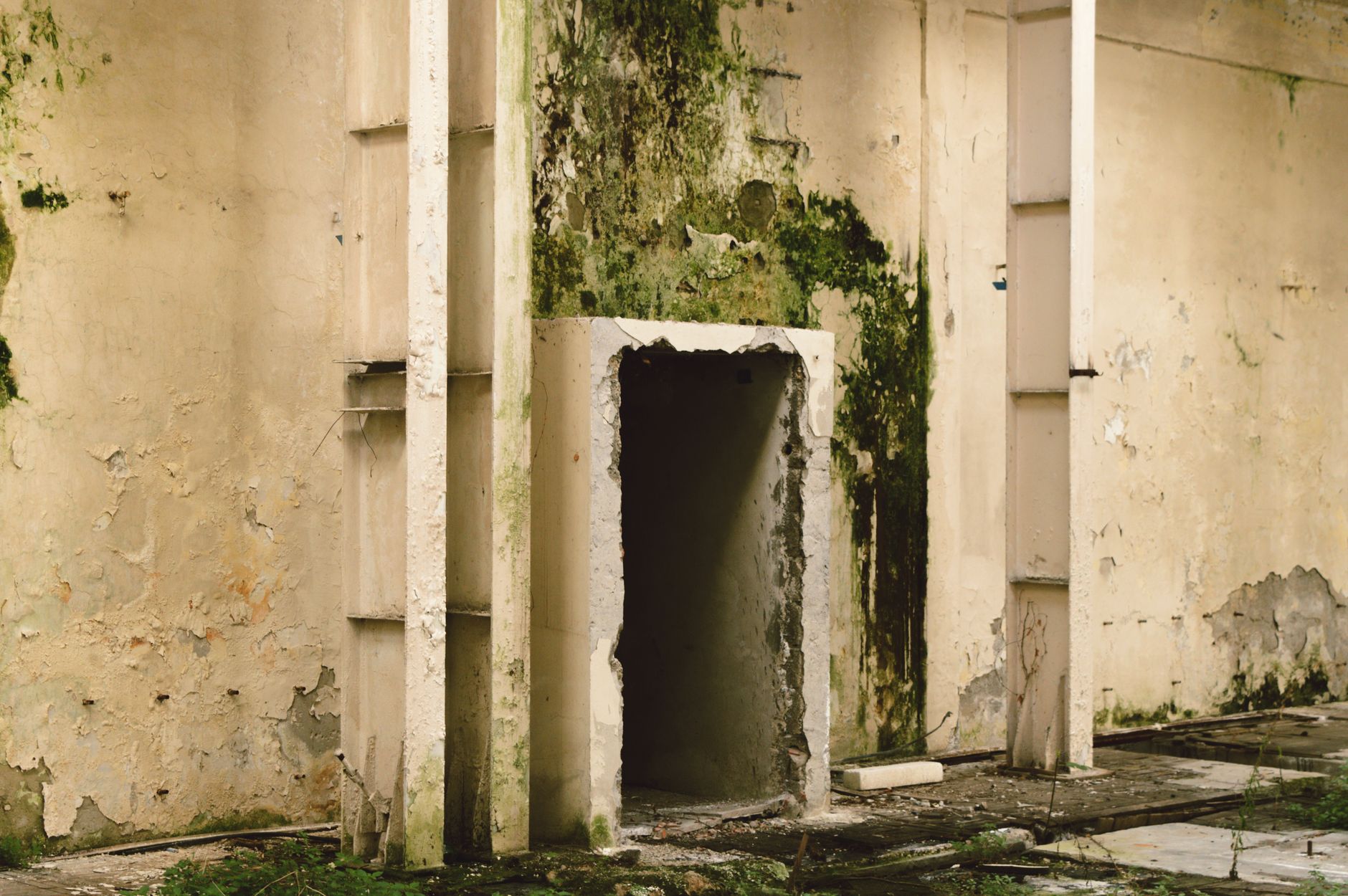
Damp patches on walls, ceilings, or floors are a common indicator of excess moisture within a building envelope. According to the U.S. Department of Energy, moisture intrusion can reduce the effective R-value of insulation by up to 25%, leading to higher heating and cooling costs. The primary sources of moisture include roof leaks, rising groundwater, condensation on cold surfaces, and inadequate ventilation.
A study by the Environmental Protection Agency (EPA) found that indoor relative humidity above 60% promotes mold growth, which can cause respiratory issues and degrade indoor air quality. Homeowners often notice damp spots after heavy rain, during temperature swings, or in basements. In a 2022 survey by the National Association of Home Builders, 42% of respondents reported moisture problems in their homes, with 68% attributing them to poor drainage or insufficient vapor barriers.
When moisture contacts insulation, it can compress the material, decreasing its thermal resistance and potentially causing sagging or water staining. Effective remediation involves identifying the moisture source, improving drainage, sealing leaks, and installing proper vapor barriers. The International Residential Code (IRC) requires a vapor retarder on the warm-in-winter side of walls in climate zones 4 and higher, and mandates mechanical ventilation in bathrooms and kitchens.
Adding exhaust fans can lower indoor humidity by 30% compared to unventilated spaces. From a financial perspective, addressing dampness can yield energy savings of 10–15% annually, according to the Energy Star program. Additionally, repairing water damage can increase property value by 3–5% and reduce the risk of costly structural repairs. Local utility companies often offer rebates of up to $500 for installing moisture-resistant insulation or smart ventilation systems.
| Moisture Source | Impact | Solution |
|---|---|---|
| Roof leaks | Water intrusion, insulation damage | Repair or replace roof, ensure proper drainage |
| Rising groundwater | Basement flooding, mold growth | Install French drains, improve landscaping, consider sump pumps |
| Condensation | Cold surfaces, damp patches | Improve ventilation, use dehumidifiers, install vapor barriers |
| Inadequate ventilation | High humidity, mold growth | Install exhaust fans, improve air circulation |
For ProNest CX, positioning damp-patch solutions as part of a comprehensive energy-efficiency upgrade aligns with homeowner goals for lower utility bills, improved comfort, and long-term durability. Emphasizing the use of high-R-value, moisture-resistant insulation and smart ventilation systems can differentiate the service offering and support the company's value proposition of long-term savings and quality materials.
Not sure which insulation upgrade offers the best fit for your home? Consult with our experts to explore thermal performance options.
Assessing Long-Term Energy Savings
When investing in home upgrades, initial installation costs are only part of the equation. Homeowners must weigh upfront expenses against long-term utility bill reductions, thermal performance gains, and potential property value increases.
For example, upgrading attic insulation from R-19 to R-49 can reduce heating and cooling costs by 15–20% in many climate zones, with a typical payback period of 5–7 years. Similarly, replacing single-pane windows with ENERGY STAR-rated double-pane units can save $100–$500 annually on energy bills, depending on home size and local utility rates. Homeowners should also consider the cumulative effect of multiple upgrades; a whole-house approach that combines air sealing, insulation, and high-efficiency HVAC often delivers greater savings than individual measures alone. Online calculators from the Department of Energy and local utilities can help estimate specific savings based on your home's characteristics and regional energy prices.
Material Quality and Durability Standards
Choosing high-performance materials—such as energy-efficient window glazing, advanced insulation fibers, or weather-resistant roofing—ensures structural longevity and minimizes ongoing maintenance overhead.
When selecting insulation, look for products that meet ASTM standards for thermal resistance, fire safety, and moisture resistance. For instance, closed-cell spray foam offers a high R-value per inch (R-6 to R-7) and acts as an air and vapor barrier, while mineral wool batts provide excellent fire resistance and sound attenuation. Roofing materials should carry a Class A fire rating and wind resistance appropriate for your region. Windows and doors should have NFRC labels indicating U-factor and Solar Heat Gain Coefficient (SHGC) values suited to your climate zone. Investing in certified, durable materials reduces the likelihood of premature failure and costly replacements.
Assessing Professional Installation vs. DIY
While minor cosmetic updates can be handled independently, major efficiency retrofits require specialized expertise. Professional installation ensures compliance with local building codes and protects manufacturer warranties.
Complex tasks such as spray foam application, structural air sealing, or window replacement demand precise techniques and safety equipment. Improper installation can lead to thermal bridging, moisture traps, or voided warranties. A qualified contractor will perform diagnostic testing—like blower door tests and infrared imaging—to verify performance after installation. Homeowners considering DIY should honestly assess their skill level, access to tools, and the potential cost of mistakes. For projects involving electrical, plumbing, or structural modifications, licensed professionals are not just recommended but often legally required.
Project Timelines and Weather Windows
Home improvement schedules vary based on project scope and seasonal conditions. Proper planning ensures that exterior renovations or weatherproofing initiatives are completed efficiently without disrupting daily routines.
Exterior work such as roof replacement, siding installation, or foundation waterproofing is best scheduled during dry, moderate temperatures—typically spring or early fall in many regions. Interior projects like insulation upgrades or HVAC replacement can be done year-round but may require temporary relocation of occupants if extensive demolition is involved. A typical whole-house energy retrofit can take 2–6 weeks, depending on crew size and complexity. Homeowners should discuss a detailed timeline with their contractor, including milestones for inspections, material deliveries, and contingency days for weather delays.
Maximizing Rebates and Financing Incentives
Many regional and federal programs offer tax credits or rebates for energy-efficient home upgrades. Evaluating these financial incentives early can significantly offset total project costs.
The federal Inflation Reduction Act provides tax credits of up to 30% of costs for qualified energy efficiency improvements, including insulation, windows, doors, and heat pumps, with annual caps. Many states and utilities offer additional rebates—for example, some utility companies provide $0.50–$1.00 per square foot for added attic insulation or $100–$300 for ENERGY STAR windows. Low-interest financing options like Property Assessed Clean Energy (PACE) programs or energy-efficient mortgages (EEMs) can spread costs over time. Homeowners should consult the Database of State Incentives for Renewables & Efficiency (DSIRE) and their local utility website to identify all available incentives before finalizing project scope.
Warranty Coverage and Quality Assurance
Reliable service providers back their installations with comprehensive workmanship guarantees and manufacturer warranties, giving homeowners long-term peace of mind.
Look for contractors who offer a minimum 5–10 year workmanship warranty covering installation defects. Manufacturer warranties on materials can range from 20 years to lifetime for products like roofing shingles, windows, and insulation. Ensure warranties are transferable to future owners, which adds resale value. Quality assurance processes such as third-party inspections, post-installation performance testing, and detailed documentation (including photos and material specifications) provide additional protection. Homeowners should request and retain all warranty certificates, maintenance guidelines, and contractor contact information for future reference.
Ultimately, a successful home improvement project should enhance your property's daily comfort, boost energy efficiency, and provide long-lasting value for years to come.