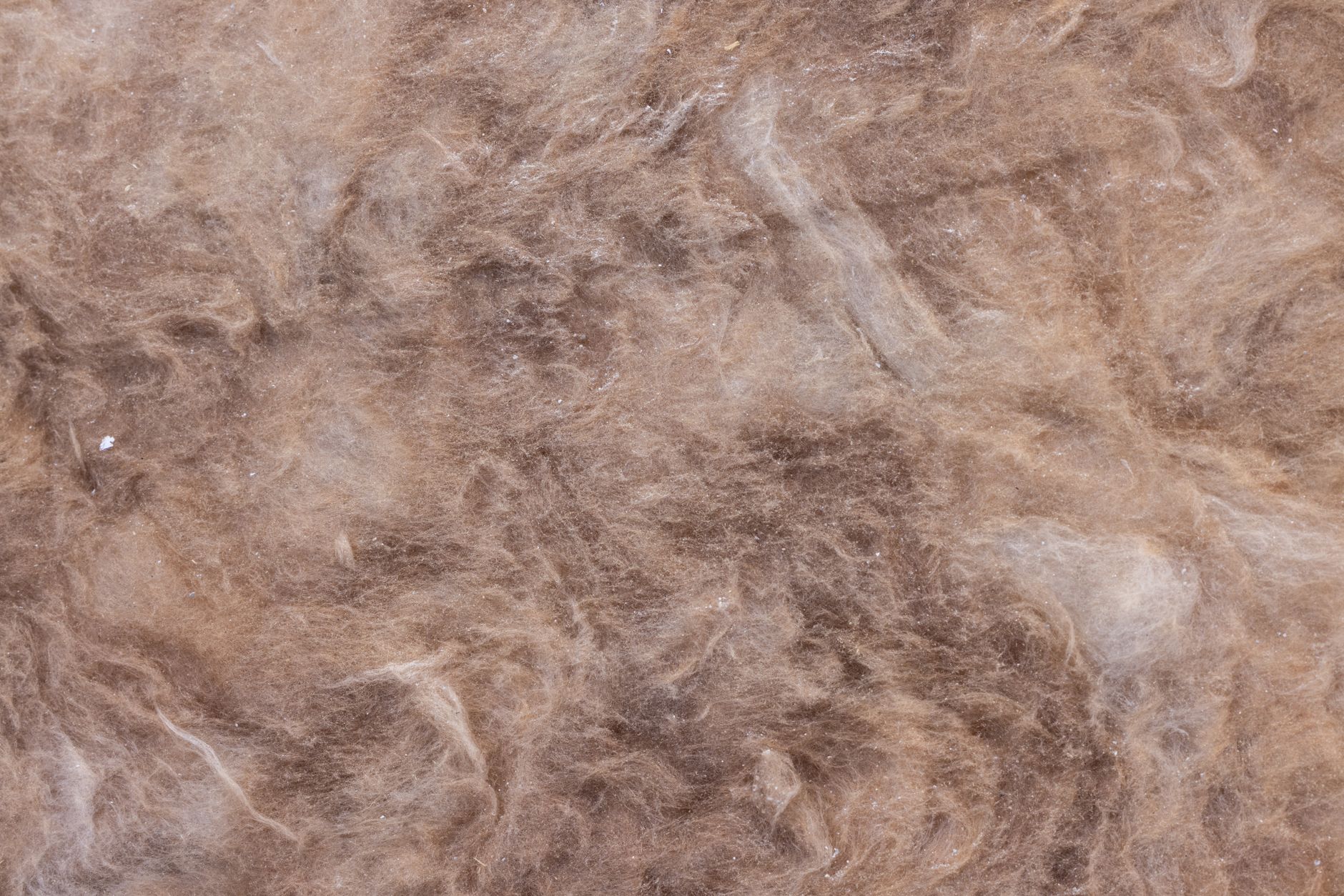
Black insulation in your loft or basement is a clear sign of air leaks, often caused by unsealed electrical wires, plumbing pipes, or large gaps in the structure. When air escapes from your home, it carries dust, moisture, and other particles, which accumulate on fiberglass insulation, turning it black. This discoloration is particularly noticeable around penetrations like electrical boxes, plumbing vents, and ductwork, which are common sources of air infiltration.
Energy audits indicate that unsealed penetrations can account for up to 30% of a home's energy loss, making them a critical area for improvement. Small gaps can increase heating and cooling costs by up to 20%, and attic air leaks can be as problematic as leaving a window open all year. Proper sealing not only improves energy efficiency but also enhances indoor air quality and structural integrity.
Common Causes of Black Insulation
Several factors contribute to the black discoloration of insulation. One of the primary causes is air infiltration. When air leaks into the attic or basement, it carries dust, moisture, and other particles that settle on the insulation. Over time, this accumulation can turn the insulation black, making it unsightly and indicating a need for repair.
Another common cause is moisture buildup. Condensation from leaks or poor ventilation can lead to mold growth, which can discolor the insulation. Additionally, improper installation or damage to the insulation can also result in black spots.
Identifying Air Leaks
Identifying air leaks is the first step in addressing the issue. Start by inspecting the areas around electrical boxes, plumbing vents, and ductwork. Look for gaps, cracks, or holes that could allow air to escape. Use a smoke pencil or a blower door test to visualize air leaks more clearly.
Common areas to check include:
- Electrical outlets and switches
- Plumbing vents and pipes
- Ductwork and HVAC systems
- Windows and doors
- Attic access points
Sealing Air Leaks
Once you've identified the air leaks, the next step is to seal them. Start with small gaps and cracks, using caulk or foam sealant. For larger holes, consider covering them with sheet metal or drywall. It's essential to use non-flammable materials, especially in areas near chimneys or hot pipes, to prevent fire hazards.
When sealing areas near electrical wires or plumbing pipes, follow building codes to ensure safety. Using a high-quality respirator is also recommended when working in attics to protect against fiberglass dust and other airborne particles.
Long-Term Benefits of Proper Sealing
Properly sealing air leaks offers several long-term benefits. Improved energy efficiency is one of the most significant advantages. By reducing air infiltration, you can lower heating and cooling costs, making your home more comfortable and energy-efficient.
Enhanced indoor air quality is another benefit. Sealing air leaks prevents dust, moisture, and other particles from entering your home, reducing the risk of allergies and respiratory issues. Additionally, proper sealing can prevent mold growth, which can be harmful to your health and damage your home's structure.
Improved structural integrity is also a benefit of sealing air leaks. By preventing moisture buildup, you can reduce the risk of roof rot and other structural damage. This can extend the lifespan of your home and save you money on costly repairs.
Energy Star Recommendations
Energy Star recommends sealing all air leaks to improve energy efficiency. Even small gaps can allow conditioned air to escape, increasing heating and cooling costs. According to Energy Star, sealing air leaks can save homeowners up to 20% on their energy bills. For example, in regions with extreme temperatures, sealing air leaks can reduce annual energy costs by thousands of dollars.
In addition to sealing air leaks, Energy Star recommends other energy-saving measures, such as installing energy-efficient windows and doors, upgrading to a high-efficiency HVAC system, and using programmable thermostats. These measures can further improve energy efficiency and reduce utility costs.
Assessing Long-Term Energy Savings
When investing in home upgrades, initial installation costs are only part of the equation. Homeowners must weigh upfront expenses against long-term utility bill reductions, thermal performance gains, and potential property value increases.
Material Quality and Durability Standards
Choosing high-performance materials—such as energy-efficient window glazing, advanced insulation fibers, or weather-resistant roofing—ensures structural longevity and minimizes ongoing maintenance overhead.
Assessing Professional Installation vs. DIY
While minor cosmetic updates can be handled independently, major efficiency retrofits require specialized expertise. Professional installation ensures compliance with local building codes and protects manufacturer warranties.
Project Timelines and Weather Windows
Home improvement schedules vary based on project scope and seasonal conditions. Proper planning ensures that exterior renovations or weatherproofing initiatives are completed efficiently without disrupting daily routines.
Maximizing Rebates and Financing Incentives
Many regional and federal programs offer tax credits or rebates for energy-efficient home upgrades. Evaluating these financial incentives early can significantly offset total project costs.
Warranty Coverage and Quality Assurance
Reliable service providers back their installations with comprehensive workmanship guarantees and manufacturer warranties, giving homeowners long-term peace of mind.
Conclusion
Black insulation in your loft or basement is a clear sign of air leaks, which can lead to energy inefficiency, poor indoor air quality, and structural damage. By identifying and sealing air leaks, you can improve energy efficiency, enhance indoor air quality, and protect your home's structure. Follow building codes and use non-flammable materials when sealing areas near electrical wires or plumbing pipes to ensure safety.
Not sure which insulation upgrade offers the best fit for your home? Consult with our experts to explore thermal performance options.
| Common Air Leak Sources | Sealing Methods |
|---|---|
| Electrical outlets and switches | Caulk or foam sealant |
| Plumbing vents and pipes | Metal covers or insulation sleeves |
| Ductwork and HVAC systems | Duct sealing tape or mastic |
| Windows and doors | Weatherstripping or foam gaskets |
| Attic access points | Sheet metal or drywall patches |
Ultimately, a successful home improvement project should enhance your property's daily comfort, boost energy efficiency, and provide long-lasting value for years to come.