Understanding Loft Overheating
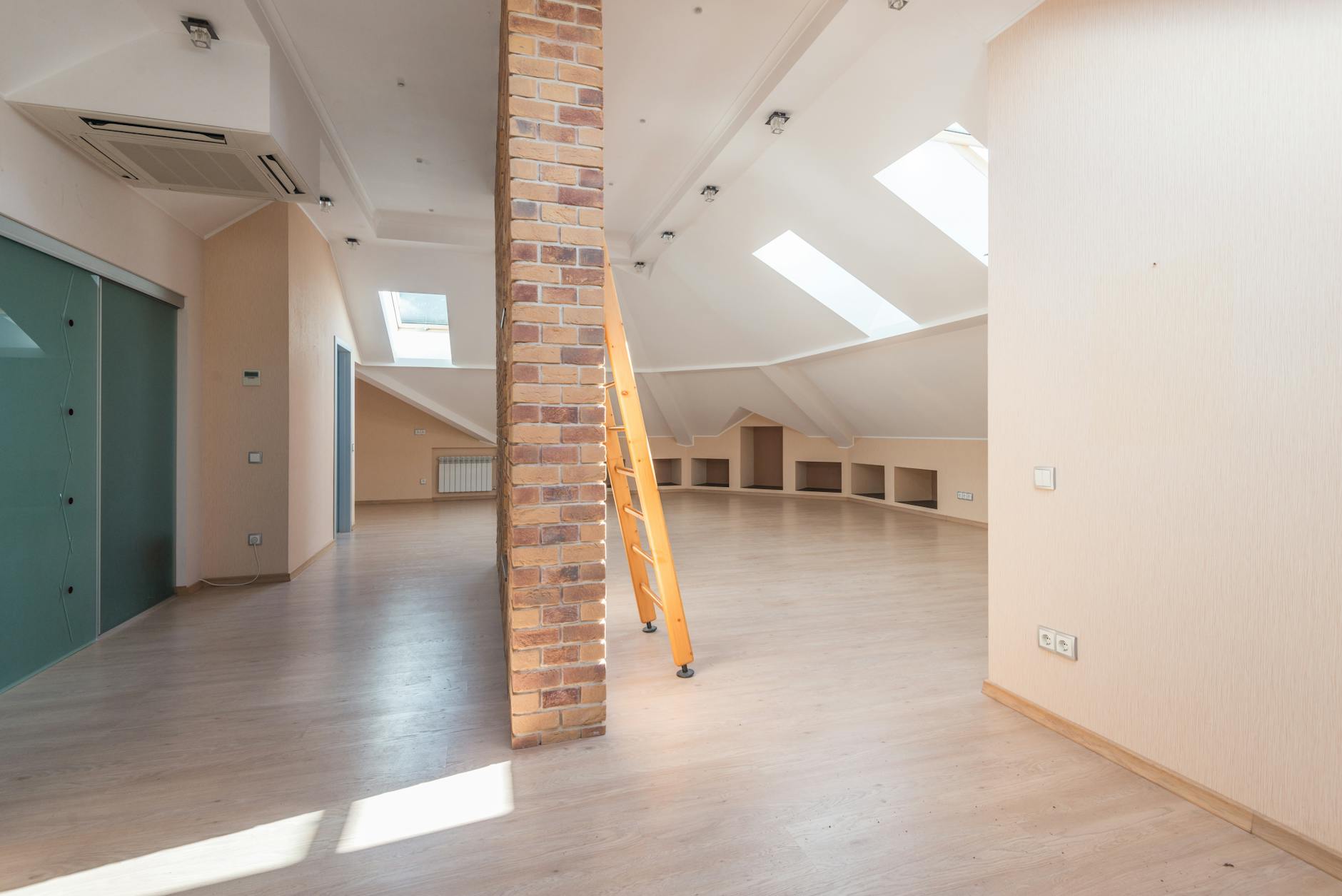
Loft spaces often become unbearably hot in summer, with temperatures exceeding 30°C, while ground floors remain comfortable. This heat buildup is primarily caused by direct solar radiation on the roof (which can reach 80°C), solar heat gain through roof windows, and limited thermal mass in lightweight roof constructions.
Common Causes of Loft Overheating
Even well-insulated lofts can overheat due to insufficient insulation thickness, thermal bridges, missing shading, or inadequate ventilation.
Quick Measures to Combat Loft Overheating
Homeowners can implement quick measures like night-time ventilation, consistent shading, reducing internal heat sources, evaporative cooling, and reflective films.
Long-Term Solutions for a Cool Loft
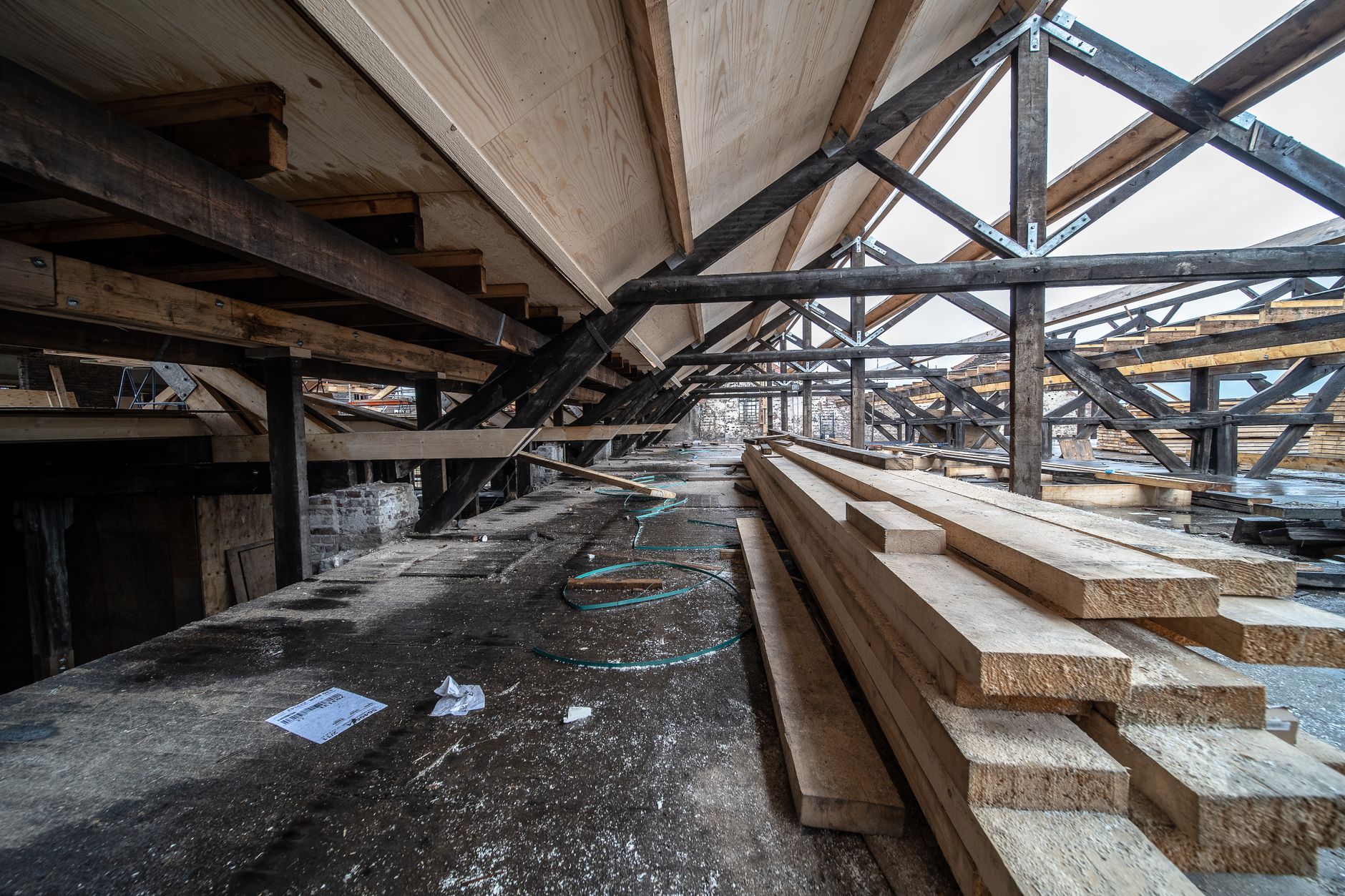
Long-term solutions require structural upgrades such as high-density insulation (e.g., wood fibre or cellulose), proper insulation thickness (20 cm or more), gap-free installations, and airtight building envelopes. Roof windows must also be part of the thermal envelope, with low U-values, thermally insulated upstands, and thermal bridge-free connections.
The Importance of Solar Shading
Solar shading is critical—external shading reflects up to 75% of solar energy, while internal shading reduces heat gain by only 25%.
Natural Ventilation Strategies
Natural ventilation, such as night-time cooling and cross-ventilation, further enhances comfort.
LAMILUX Skylights: A Comprehensive Solution
For architects and building owners, LAMILUX Skylights offer a comprehensive solution with highly insulated GRP upstands, electric actuators, and integrated shading options.
Planning for a Cool, Energy-Efficient Loft
Proper planning, combining insulation, shading, and ventilation, is essential for a cool, energy-efficient loft.
| Insulation Type | Recommended Thickness | Thermal Performance |
|---|---|---|
| Wood Fibre | 20 cm or more | High |
| Cellulose | 20 cm or more | High |
Not sure which insulation upgrade offers the best fit for your home? Consult with our experts to explore thermal performance options.
Assessing Long-Term Energy Savings
When investing in home upgrades, initial installation costs are only part of the equation. Homeowners must weigh upfront expenses against long-term utility bill reductions, thermal performance gains, and potential property value increases.
Material Quality and Durability Standards
Choosing high-performance materials—such as energy-efficient window glazing, advanced insulation fibers, or weather-resistant roofing—ensures structural longevity and minimizes ongoing maintenance overhead.
Assessing Professional Installation vs. DIY
While minor cosmetic updates can be handled independently, major efficiency retrofits require specialized expertise. Professional installation ensures compliance with local building codes and protects manufacturer warranties.
Project Timelines and Weather Windows
Home improvement schedules vary based on project scope and seasonal conditions. Proper planning ensures that exterior renovations or weatherproofing initiatives are completed efficiently without disrupting daily routines.
Maximizing Rebates and Financing Incentives
Many regional and federal programs offer tax credits or rebates for energy-efficient home upgrades. Evaluating these financial incentives early can significantly offset total project costs.
Warranty Coverage and Quality Assurance
Reliable service providers back their installations with comprehensive workmanship guarantees and manufacturer warranties, giving homeowners long-term peace of mind.
Ultimately, a successful home improvement project should enhance your property's daily comfort, boost energy efficiency, and provide long-lasting value for years to come.