Understanding Kitchen Condensation
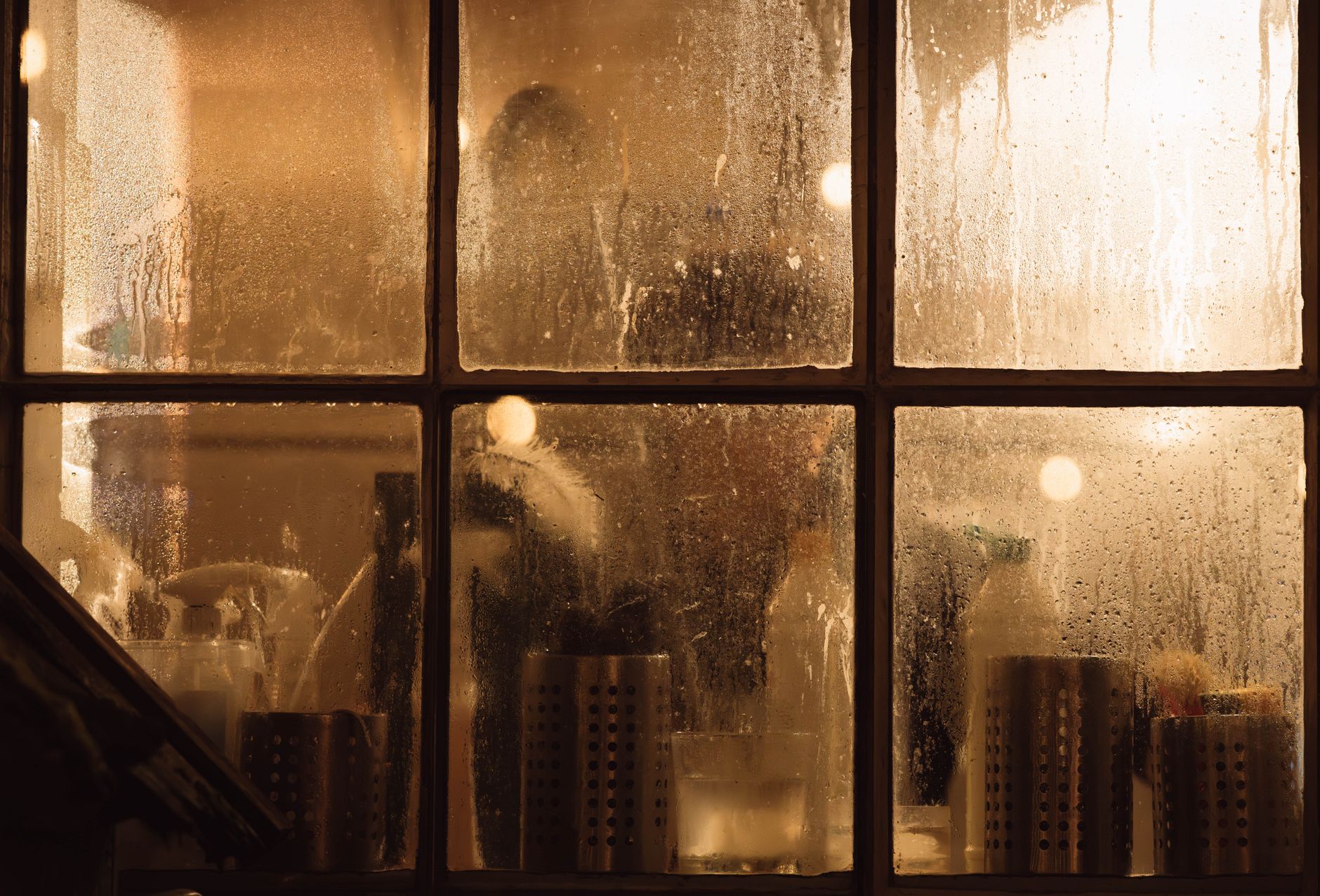
Condensation appears as water droplets on cool surfaces when warm, humid air contacts them. In a kitchen, the most common trigger is cooking, boiling water, dish‑washing, and appliances such as kettles or ovens. These activities release moisture quickly, raising indoor humidity levels. When the indoor air reaches its dew point on a cold window, external wall, or cabinet, droplets form. This is not a cleaning issue; it is a sign of a ventilation problem.
During cold months, windows and poorly insulated walls are frequent condensation spots. In summer, restricted airflow behind fitted units or above cabinets can create pockets where humidity settles. Persistent moisture leads to damp, mould growth, peeling paint, and timber damage. Early diagnosis protects both comfort and the durability of finishes.
Three Diagnostic Areas
The most reliable approach is to separate the problem into three linked areas. First, examine moisture generation. Reduce unnecessary steam by covering pans, using the extractor fan while cooking, and running it briefly after the activity ends. Close the kitchen door when the bathroom is in use to prevent humid air from entering. Second, check the extraction path. Ensure the fan is running, the grille is clear, and any dampers are fully open. Blockages in ducts, closed dampers, or a disconnected pipe will limit airflow even if the fan is noisy. Finally, assess surface temperature. Condensation may persist on cold panes, walls, or cabinets even when ventilation is adequate. Addressing insulation, glazing, or draft‑proofing often completes the solution.
Moisture Generation: The Source Stage
Identifying where moisture originates is the first step. Simple behavioural changes can cut humidity by 30‑40 %. Use lids on pots, simmer rather than boil when possible, and avoid running the tap unnecessarily. The extractor fan should be on medium power throughout cooking and for at least 15‑20 minutes afterward. If the fan is insufficient, consider a second, higher‑capacity unit. In households where the kettle is used frequently, a small, low‑energy fan can offset the extra steam.
Door management also matters. The kitchen and bathroom share common walls; steam from showers adds to overall humidity. Keep the bathroom door closed and run its extractor for the same duration as the kitchen fan. In larger open‑plan spaces, a temporary door or a retractable barrier can separate the zones.
Extraction Path: Airflow Verification
Even a powerful fan will not work if the path to the outside is blocked. Start by listening for the fan to run; a humming sound indicates power. Open the grille and look for debris, grease, or insects. Remove any obstruction with a soft brush. If the fan is ducted, trace the duct to the exterior. Inspect for collapsed sections, disconnected joints, or crushed bends. A damper that is closed will stop flow; move it to the open position.
Visually, you can test airflow by holding a strip of paper near the outlet grilles inside the kitchen. The paper should lift slightly if air is moving at a reasonable rate. If not, the system needs cleaning or repair. Envirovent’s 14‑step guide, published on 19 March 2025, recommends quarterly maintenance to keep ducts clear and fans operating at optimal efficiency.
Cold Surfaces: Temperature Assessment
Condensation can appear on any surface below the indoor air temperature. Windows are common culprits because glass has low thermal resistance. Double‑glazing or low‑emissivity coatings can raise the glass temperature, reducing condensation risk. External walls that lack sufficient insulation also cool down, especially in older properties.
Interior cabinets and appliances may have cold spots. Poor insulation behind cupboards or behind the refrigerator can cause condensation on the door interior. Adding a thin layer of insulation or adjusting the thermostat can help. In some cases, the cold surface is the result of air leakage; sealing gaps around window frames and skirting boards reduces heat loss and surface cooling.
Putting It All Together: A Simple Fix Workflow
Homeowners can follow a three‑step workflow to tackle condensation. Step 1: Reduce moisture generation. Step 2: Verify extraction and airflow. Step 3: Warm up cold surfaces through insulation or glazing upgrades. If the problem persists after these steps, a professional survey can reveal hidden issues such as insufficient fan capacity or structural heat loss.
Envirovent’s free property survey is a useful next move. The surveyor checks the three diagnostic areas, notes any duct blockages, and recommends appropriate equipment. The service is compliant with Approved Document F, which outlines ventilation standards for domestic kitchens in England. A qualified engineer will confirm that any changes, such as replacing an extractor fan or adding insulation, meet the relevant building regulations.
Ventilation Options Overview
Once the diagnosis is complete, the right equipment can be selected. Basic extractor fans are cost‑effective and suitable for most kitchens. Point‑intake ventilation (PIV) systems provide fresh air directly into the room while extracting humid air. Minimum Energy Ventilation (MEV) and dual‑MEV (dMEV) units operate continuously at low power, ensuring consistent air exchange without user intervention. Heat Recovery Ventilation (MVHR) recovers heat from extracted air, improving energy efficiency while addressing moisture.
Choosing the correct system depends on house size, existing ductwork, and local building codes. A short‑term fix may be a high‑capacity extractor fan with a timer. A long‑term upgrade might combine insulation, double‑glazing, and an MVHR system to maintain comfort and protect finishes.
Plan Upgrades in Combination
Sealing a home tightly without improving air exchange can trap humidity. Modern ventilation design balances airtightness with controlled fresh air supply. The guide emphasizes that insulation, glazing, and ventilation must be planned together, not separately. For example, installing double‑glazed windows reduces heat loss but also reduces natural air leaks, which may require a mechanical ventilation system to maintain adequate moisture control.
ProNestCX offers a consultative approach. Our team can review the three diagnostic areas, suggest appropriate equipment, and coordinate any necessary upgrades, such as loft insulation or window replacements, to create a cohesive solution. The goal is to improve indoor comfort, prevent finish damage, and increase property durability without a disruptive, piecemeal approach.
Summary Table
| Issue Area | Key Diagnostic Check | Typical Fix |
|---|---|---|
| Moisture Generation | Monitor cooking habits, fan usage, and door management | Use lids, run extractor 15‑20 min post‑cooking, close doors |
| Extraction Path | Check fan operation, clear grille/ducts, open dampers | Clean ducts, repair leaks, ensure unobstructed airflow |
| Cold Surfaces | Measure surface temperature, inspect insulation and glazing | Upgrade insulation, install double‑glazing, or add thermal breaks |
Final Thoughts
Condensation is a symptom of an imbalance between moisture production, air movement, and surface temperature. By diagnosing each area systematically, homeowners can apply targeted fixes that prevent immediate damage and lay the groundwork for long‑term improvements. Whether the solution is a simple fan upgrade, a new insulation layer, or a whole‑property ventilation system, the key is to treat the problem holistically rather than focusing on a single component.
Taking a measured approach helps avoid unnecessary expense and ensures that any renovation work, such as window replacements or loft insulation, is coordinated with the ventilation strategy. A professional assessment can confirm compliance with Approved Document F and local building codes, providing peace of mind that the project is both effective and lawful.
Planning a home modernization project? Get in touch with ProNestCX to help you review your choices and plan the right approach. Our free property survey and ventilation design service ensure every upgrade is aligned with your comfort and durability goals.