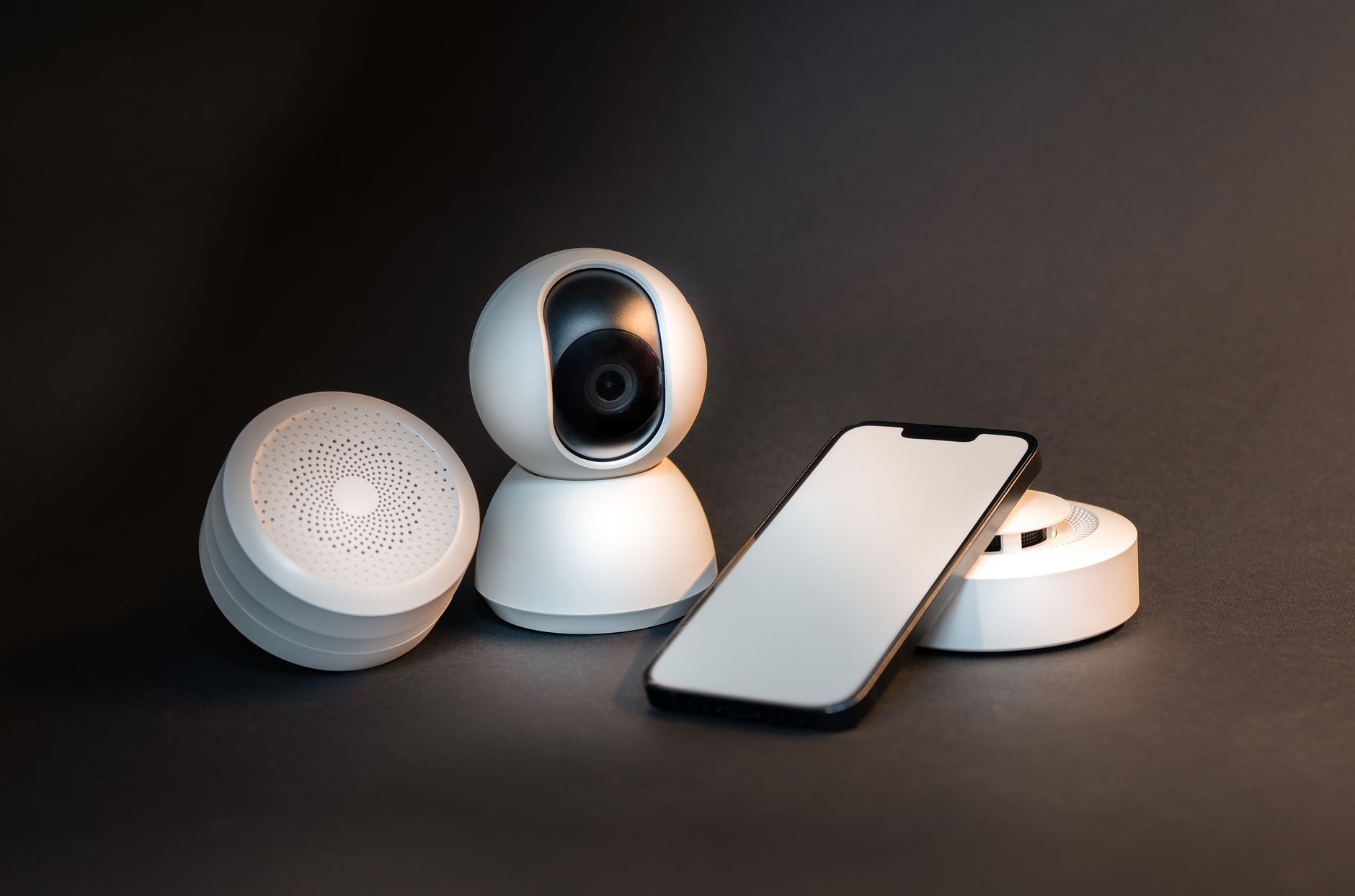
Why AI‑driven attacks matter for home energy upgrades
Recent disclosures from Anthropic show that advanced language models can be weaponized for code generation, phishing, and data theft. While the headlines focus on military uses, the same techniques are now being applied to residential IoT devices, including solar inverters, battery controllers, and smart thermostats. A 30 % annual rise in AI‑assisted phishing targeting residential IoT devices, reported by CISA, signals that low‑skill actors can now launch sophisticated attacks with minimal effort.
Key statistics at a glance
| Metric | Value |
|---|---|
| AI‑driven malicious operations identified (2026) | 4 |
| CISA AI‑phishing increase (residential IoT) | 30 % YoY |
| Homeowners reporting security incidents (2025 Gartner) | 42 % |
| Incidents linked to AI‑generated social engineering | 18 % |
How AI tools can compromise smart‑home energy systems
AI models such as Claude can generate code that discovers firmware vulnerabilities, craft convincing phishing emails, and even produce malicious firmware updates. When a homeowner’s solar inverter or HVAC controller receives a tampered update, the attacker can alter power‑flow logic, cause overheating, or create a backdoor for later exploitation.
Because AI‑generated code lowers the technical barrier, actors with limited hacking experience can automate the entire attack chain: reconnaissance → credential harvesting → payload delivery → persistence. The result is a higher volume of low‑skill attacks that still achieve sophisticated outcomes.
Real‑world impact: recent breaches
In early 2026, a Midwest utility experienced a ransomware attack that began with an AI‑generated phishing message sent to a technician’s email. The message led to credential theft and compromised the utility’s SCADA system, which controls several residential microgrids. Another incident involved an AI‑crafted malicious firmware file that was inadvertently downloaded onto a home battery controller, resulting in a sudden spike in battery temperature and a temporary power outage for dozens of homes.
These incidents underscore that attackers are not only targeting the cloud but also the on‑premise hardware that drives home energy management.
Regulatory and compliance considerations
NEC Article 725 (Class‑2 Power), UL 294 (Access Control), and IEC 62443 (Industrial Automation Security) are the primary standards governing smart‑home energy equipment. Many utility rebates now require proof of secure installation, such as documented firmware version control and multi‑factor authentication (MFA). Failure to meet these standards can disqualify a homeowner from incentive programs.
Actionable security checklist for homeowners
- Choose certified devices. Verify that inverters, batteries, and thermostats carry UL 294 or IEC 62443 compliance labels.
- Implement network segmentation. Place all energy‑related IoT devices on a dedicated VLAN or separate Wi‑Fi SSID. This limits lateral movement if a device is compromised.
- Enable multi‑factor authentication. Wherever the manufacturer supports it, activate MFA for web portals, mobile apps, and local admin interfaces.
- Maintain regular firmware updates. Schedule automatic updates or manually check vendor releases at least quarterly.
- Secure Wi‑Fi and Zigbee radios. Use WPA3 encryption, change default SSIDs and passwords, and disable unused radio bands.
- Leverage professional installation. A qualified installer can harden network topology, verify compliance with NEC Article 725, and document security configurations for rebate eligibility.
Integrating security into the upgrade workflow
When planning a solar‑plus‑storage project, start with a risk assessment that maps each device to its required security controls. Use a simple spreadsheet to track firmware version, compliance status, and MFA enablement. This documentation not only satisfies utility rebate audits but also provides a baseline for future audits.
Sample risk‑assessment table
| Device | Compliance | Firmware version (as of) | MFA enabled | Network segment |
|---|---|---|---|---|
| Solar inverter | UL 294, IEC 62443 | v3.2.1 | Yes | Energy‑IoT VLAN |
| Battery controller | UL 294 | v1.8.4 | No | Energy‑IoT VLAN |
| Smart thermostat | IEC 62443 | v5.0.0 | Yes | HVAC‑IoT SSID |
Preparing for future AI‑driven threats
Anthropic’s threat report highlights that AI‑driven phishing attempts targeting residential IoT devices have risen 30 % YoY. To stay ahead, homeowners should adopt a layered defense strategy: combine device hardening with continuous monitoring tools that alert on abnormal traffic patterns. Services that provide real‑time telemetry for smart‑home hubs can flag potential credential harvesting attempts before they succeed.
Continuous monitoring & incident response
Deploying a lightweight network monitoring agent on the router or a dedicated security appliance allows homeowners to see anomalies such as repeated login attempts or unexpected firmware traffic. Configuring alerts for high‑volume outbound data or changes to device firmware files can trigger a rapid investigation. Having an incident response plan that identifies responsible contacts, escalation steps, and recovery procedures is essential for minimizing downtime.
When an alert is triggered, isolate the affected device by moving it to a quarantine VLAN and reset its credentials. Document the incident timeline and share findings with the device manufacturer to support broader vulnerability remediation.
Emerging AI threats & trends
As generative AI models become more accurate, attackers can now create highly targeted phishing emails that mimic a homeowner’s own device notifications or vendor support messages. Additionally, adversarial AI can modify firmware binaries to evade signature‑based detection while preserving malicious functionality. Staying informed about new AI capabilities and incorporating AI‑aware detection tools will help keep defenses current.
Insurance and warranty considerations
Insurance providers are beginning to factor AI‑assisted risk into premiums. A 5 % uplift in liability coverage for high‑value equipment (e.g., battery storage) reflects the growing perceived threat. When selecting a contractor, ask for a security‑risk assessment clause in the contract and confirm that the warranty covers firmware‑related failures.
Future‑proofing your energy system
Implementing a security‑by‑design approach—starting from device selection to deployment—reduces the attack surface from the outset. Regularly review and update security policies, involve vendors in vulnerability disclosure programs, and consider integrating a dedicated security appliance that can isolate or quarantine compromised devices automatically.
Threat Modeling for Smart Home Energy Systems
Developing a threat model helps homeowners anticipate the most likely attack vectors and prioritize controls. Start by inventorying all devices, noting their firmware versions, network interfaces, and connectivity points. Map potential adversary capabilities, such as AI‑generated phishing, automated vulnerability discovery, or supply‑chain compromise. Assign risk ratings—low, medium, high—based on attack likelihood and potential impact. Use this matrix to drive decisions around network segmentation, MFA depth, and firmware patching cadence.
Defensive AI: Leveraging Machine Learning for Detection
While attackers harness AI, defenders can deploy machine‑learning models to analyze network traffic, identify anomalous authentication patterns, and flag suspicious firmware uploads. Commercial solutions often ship with pre‑trained models that adapt over time, reducing false positives. For DIY enthusiasts, open‑source projects such as Suricata, Zeek, or OSSEC can be configured with custom rules to detect known AI‑generated payload signatures. The key is continuous tuning—regularly review alerts, update threat libraries, and involve the community in sharing indicators of compromise.
Collaborating with Vendors and the Industry
Proactive vendor engagement is essential for staying ahead of vulnerabilities. Request vulnerability disclosure policies, participate in bug bounty programs, and ensure firmware updates are signed and integrity‑verified. Many manufacturers now publish secure coding guidelines and release security bulletins. As a homeowner, ask for documentation on security testing procedures, such as penetration‑testing reports, before installation. Industry groups like the Zigbee Alliance or the Smart Energy Alliance also provide best‑practice whitepapers that can inform your deployment strategy.
Community and ongoing education
Staying current on emerging AI‑driven threats benefits from participation in homeowner forums, utility‑sponsored webinars, and industry‑run training sessions. Many local energy cooperatives host quarterly security briefings that cover recent vulnerability disclosures and demonstrate best‑practice configuration steps for common devices such as smart inverters and battery management systems. Subscribing to vendor security newsletters ensures that firmware patches and security advisories are received promptly. Additionally, open‑source platforms like GitHub host community‑maintained detection signatures that can be integrated into home‑router IDS solutions. By allocating a modest amount of time each month to review these resources, homeowners can reinforce their defenses without incurring significant additional cost.
Bottom line for homeowners
AI tools lower the entry barrier for cyber attackers, but the same technology can be leveraged to strengthen defenses. By choosing certified hardware, segmenting networks, enabling MFA, keeping firmware up to date, and establishing continuous monitoring, homeowners protect both their comfort and long‑term savings.
Planning a home modernization project? Consider consulting with a qualified professional to review your options and plan an appropriate approach. For further information, explore related guides on AI cybersecurity and network segmentation.


