Modern homeowners navigate complex challenges involving sustained affordability pressures, rising utility costs, and the increasing frequency of extreme weather events. These factors underscore the importance of strategically planned home energy efficiency upgrades and resilience improvements. Rather than viewing these as isolated projects, a phased approach built on diagnostics and informed decision-making can significantly enhance comfort, reduce long-term costs, and protect your property.
Understanding your home's current energy performance is the critical first step. Relying on broad claims about savings or payback periods without specific data can lead to suboptimal decisions. Instead, begin with your actual utility bills, a professional home energy audit, and a thorough assessment of your property's existing condition. These inputs provide a baseline for identifying specific problems and accurately modeling potential improvements tailored to your household's unique needs.
The Diagnostic Foundation: Comprehensive Energy Audits
A successful energy retrofitting strategy relies on precise diagnostic measurements rather than guesswork. Professional energy auditors deploy specialized tools to pinpoint unseen thermal bypasses, air leakage paths, and mechanical inefficiencies that visual inspections frequently miss.
One core diagnostic tool is the calibrated blower door test. By depressurizing the home to a standard pressure differential (typically 50 Pascals), auditors measure the air infiltration rate in Air Changes per Hour (ACH50). This test exposes air leaks around baseboards, electrical fixtures, attic penetrations, and framing interfaces. When combined with infrared thermography during depressurization, temperature differentials vividly highlight hidden insulation voids, convective loops in exterior walls, and missing thermal barriers behind finished surfaces.
Additionally, auditors perform duct leakage testing (duct blaster tests) and combustion safety analysis. Leaky ductwork running through unconditioned attics or crawlspaces can lose 20 to 30 percent of conditioned air, substantially elevating utility expenses and pulling contaminants into living areas. Combustion appliance zone (CAZ) testing ensures that gas furnaces and water heaters draft safely under simulated worst-case depressurization scenarios, safeguarding indoor air quality before any envelope-tightening measures commence.
Considering a home energy assessment? Learn how a professional energy audit can identify your home's unique needs.
Prioritizing 'No-Regret' Measures
Some upgrades offer immediate and foundational benefits, often with lower upfront costs compared to larger overhauls. These 'no-regret' measures form the bedrock of an efficient and resilient home. Addressing air leaks and ensuring proper weatherization are prime examples. Gaps and cracks around windows, doors, electrical outlets, and plumbing penetrations can account for a significant portion of heat loss in winter and heat gain in summer. Sealing these pathways is a cost-effective way to improve comfort and reduce the workload on your heating and cooling systems.
Similarly, the integrity of your roof envelope is paramount. Before considering attic insulation or solar installations, ensure your roof is in good repair. A compromised roof can lead to water intrusion, structural damage, and diminished insulation performance, negating the benefits of subsequent upgrades. Addressing these foundational issues first ensures that later investments build upon a sound structure, maximizing their impact and longevity.
Enhancing Your Home's Envelope: Insulation, Windows, and Roofing
Once foundational issues are addressed, focusing on the building envelope provides the next layer of efficiency and resilience. The envelope—comprising your roof, walls, windows, and foundation—acts as the primary barrier between your living space and the outdoor environment.
Insulation and Air Sealing
Effective insulation is crucial for maintaining stable indoor temperatures. Different types, such as loose-fill cellulose, blown fiberglass, or closed-cell spray foam, offer varying R-values, moisture profiles, and installation considerations. Pairing insulation upgrades with comprehensive air sealing creates a continuous thermal boundary, minimizing conductive and convective heat transfer. For instance, after repairing roof issues and completing air sealing in the attic flat, adding appropriate attic insulation can significantly reduce energy demand for heating and cooling. This systematic approach ensures that the insulation performs optimally without being compromised by drafts or moisture accumulation.
Energy-Efficient Windows and Doors
Windows and doors are often significant sources of energy loss. Older, single-pane windows can allow considerable heat transfer, impacting both comfort and utility bills. Modern energy-efficient windows feature multiple panes, low-emissivity (low-E) coatings, and insulating gas fills (such as argon or krypton) to improve their U-factor (heat transfer rate) and Solar Heat Gain Coefficient (SHGC). However, replacing windows is a substantial investment. It is advisable to assess whole-home performance before committing to full window replacements, as targeted air sealing and attic insulation upgrades might offer more significant returns or be more cost-effective during early phases.
Durable Roofing Upgrades
Your roof is your home's first line of defense against the elements. Upgrading to durable roofing materials can enhance its longevity and resilience, particularly in areas prone to severe weather or wildfires. Materials designed for high solar reflectance and thermal emittance (cool roofs) can reduce attic temperatures, contributing to overall cooling efficiency. For regions with wildfire risk, selecting Class-A fire-resistant materials can be a critical safety consideration. Always ensure that any roofing project meets local building codes and addresses specific climate challenges. A durable, properly installed roof protects your home and forms an essential part of its energy efficiency strategy.
Exploring options for better home insulation? Discover the right insulation solutions for your property.
Mechanical Modernization: High-Efficiency Heat Pumps
Once the building envelope is tightened and properly insulated, the home's heating and cooling loads decrease considerably. This creates the ideal condition for right-sizing mechanical systems, particularly cold-climate air-source heat pumps (ccASHPs) and ground-source heat pump configurations.
Unlike traditional combustion furnaces or baseboard electric heaters that generate heat through fuel combustion or resistance, heat pumps move existing heat between the indoors and outdoors using advanced refrigeration cycles with variable-capacity inverter-driven compressors. Modern cold-climate systems operate efficiently at sub-zero temperatures, delivering coefficients of performance (COP) exceeding 2.0 to 3.0 even during deep winter freezes. This efficiency translates to using one unit of electricity to deliver two to three units of thermal energy.
Downsizing mechanical equipment to match the newly improved thermal envelope prevents common issues such as short-cycling, excessive humidity, and unnecessary equipment wear. When integrated with smart thermostats and zoned air distribution, heat pump systems deliver balanced room-to-room comfort, reduce operational carbon emissions, and streamline maintenance by providing both heating and cooling from a single mechanical platform.
Smart Energy Generation and Storage
Beyond improving efficiency, generating your own power and storing it can significantly reduce reliance on the grid and provide crucial backup during outages. The geopolitical landscape and extreme weather events highlight the benefits of greater energy independence.
Home Solar and Battery Storage
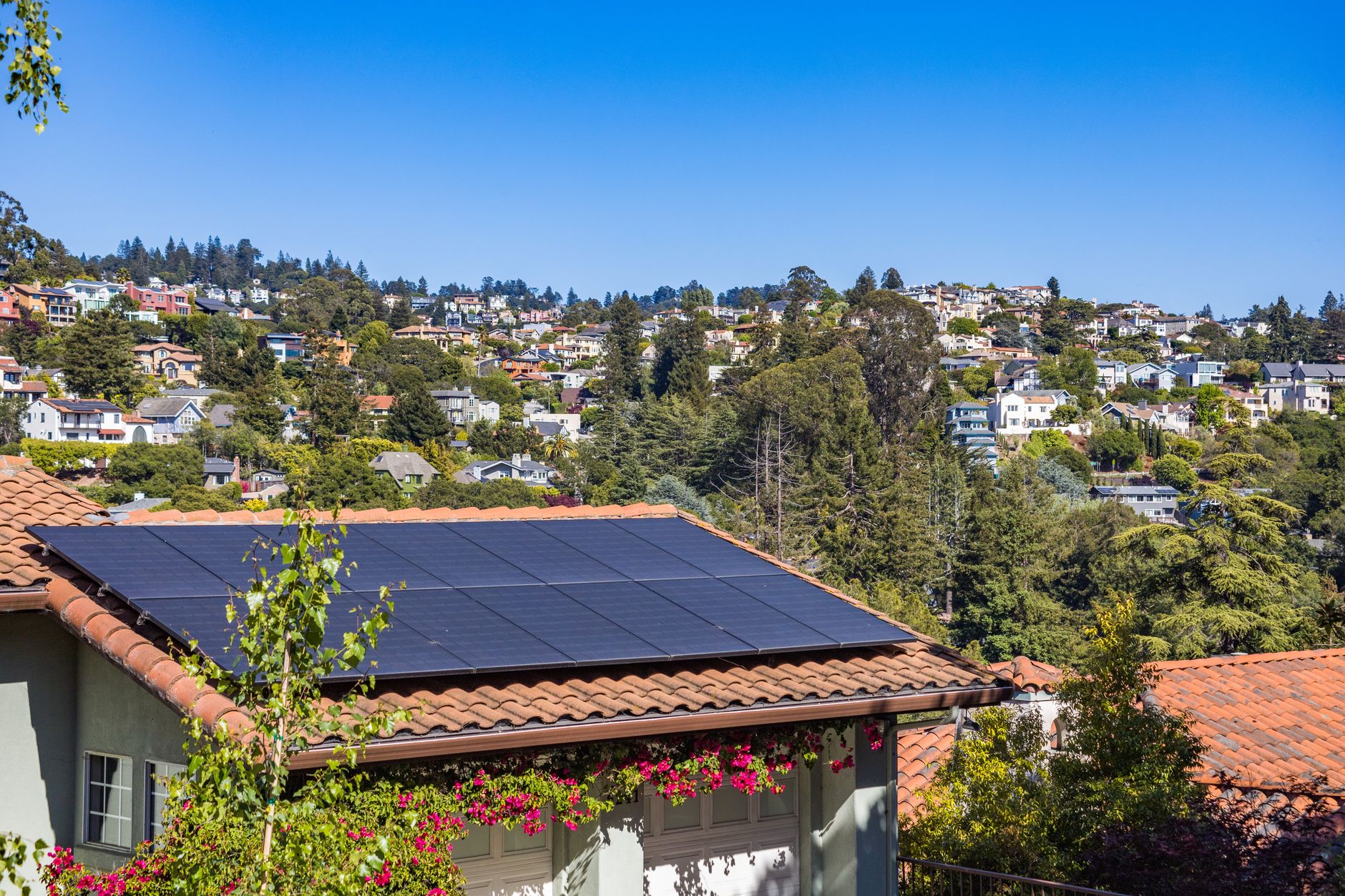
A home solar photovoltaic (PV) system converts sunlight into electricity, offsetting your grid consumption. When paired with battery storage, you can store excess solar energy for use during peak hours or power outages. This combination enhances energy security and resilience. When evaluating solar plus storage, consider factors such as your roof's solar potential, local utility interconnection rules, net metering policies, and the specific backup capacity needed for your household. It is important to assess solar production, export rules, and backup capability as distinct components of a comprehensive system. The economic viability often depends on your specific energy usage patterns and local electricity rates.
A Structured Decision Framework for Upgrades
Approaching home upgrades with a clear decision framework helps manage costs and prioritize effectively. Homeowners are increasingly scrutinizing quotes and resisting opaque pricing, making transparency essential. Here is a recommended process:
- Identify the Problem: Start with quantifiable issues such as high utility bills, inconsistent indoor temperatures, or observed drafts. An energy audit provides objective data.
- Obtain Comparable Bids: Request detailed quotes from multiple qualified contractors for the same scope of work. These bids should itemize installed costs, expected utility impact, warranties, maintenance schedules, and financing options.
- Prioritize 'No-Regret' Measures: Focus on air sealing, weatherization, and necessary roof repairs first. These provide foundational improvements before larger investments.
- Model Payback Using Actual Household Use: Generic payback periods can be misleading. Use your specific energy consumption data and local energy rates to project realistic savings and return on investment.
- Phase Upgrades to Match Available Cash: Not all upgrades need to happen at once. Develop a multi-year plan that aligns with your budget and addresses the most impactful projects first.
Each recommendation should clearly identify assumptions, necessary permitting (which can vary significantly by location), and whether savings are modeled, guaranteed, or merely expected. This level of transparency builds confidence and helps you make informed choices.
Key Considerations for Home Upgrade Planning
| Upgrade Category | Primary Benefit | Resilience Factor | Cost Discipline Note | Key Considerations |
|---|---|---|---|---|
| Air Sealing & Weatherization | Reduced drafts, improved comfort, lower energy bills | Enhanced thermal envelope, protection against moisture intrusion | Low upfront cost, high ROI foundational step | Identify all air leak points, use appropriate sealants |
| Insulation (Attic, Wall, Floor) | Stable indoor temperatures, reduced heating/cooling load | Improved thermal barrier against extreme heat/cold | Payback modeled on existing R-value vs. target | R-value requirements, ventilation needs, material type |
| Energy-Efficient Windows | Reduced heat transfer, improved comfort, noise reduction | Protection from UV, severe weather (with durable frames) | Higher investment; assess whole-home performance first | U-factor, SHGC, local code compliance, installation quality |
| Durable Roofing | Protection from elements, extended roof lifespan | Resistance to wind, hail, fire (material dependent) | Prioritize repairs before insulation; long-term asset | Material type, warranty, local building codes, structural integrity |
| Heat Pump HVAC Systems | High-efficiency dual heating/cooling, lower emissions | Operational independence from gas line disruptions | Size equipment after envelope upgrades to avoid overpaying | Heating seasonal performance factor (HSPF2), SEER2, manual J load calculation |
| Solar + Battery Storage | Reduced grid reliance, lower electricity bills, backup power | Energy independence during outages, reduced carbon footprint | Evaluate production, export rules, backup needs separately | Roof suitability, utility interconnection, local incentives, battery capacity |
Financing Scenarios and Regulatory Landscape
Understanding financing structures and capital stack strategies is just as vital as evaluating the physical improvements. Homeowners can leverage several financing models depending on credit profile, equity availability, and cash flow objectives:
- On-Bill Financing / Tariffed On-Bill Programs: Certain utilities permit homeowners to finance upgrades directly through their monthly utility bills, with payments structured so that estimated energy savings offset loan charges, creating neutral or positive immediate cash flow.
- FHA Title I and 203(k) Rehabilitation Loans: Government-backed loan vehicles allow homeowners and prospective buyers to fold substantial efficiency and structural renovations into a low-interest mortgage package.
- Clean Energy Revolving Loan Funds and PACE: Property Assessed Clean Energy (PACE) programs and municipal green banks provide long-term, fixed-rate financing repaid via local property tax assessments, tying the obligation to the parcel rather than the individual borrower.
- Incentive Layering: Federal tax credits (such as the Energy Efficient Home Improvement Credit under Section 25C and the Residential Clean Energy Credit under Section 25D) can often be stacked with state energy office rebates and local utility performance incentives, lowering initial capital outlay by 30 to 50 percent for qualifying projects.
Permitting and code compliance are equally critical. Envelope, electrical, mechanical, solar, and battery storage projects trigger municipal structural, electrical, and life-safety codes. Key requirements include roof-load calculations for PV arrays, specific U-factor and SHGC thresholds for fenestration, mechanical ventilation compliance (ASHRAE 62.2), utility interconnection approvals, rapid-shutdown requirements, and battery clearance distances dictated by NFPA 855 fire codes. Always confirm locally adopted codes, required permits, and Homeowners Association (HOA) architectural covenants before committing to contract execution.
Thinking about a solar installation? Explore our resources on solar panels and battery storage.
A strategic approach to home energy efficiency and resilience upgrades focuses on identifying specific problems, prioritizing foundational improvements, and making informed decisions based on your home's unique characteristics and your financial considerations. By sequencing projects thoughtfully—starting with diagnostics and 'no-regret' measures, then systematically upgrading your home's envelope, integrating efficient mechanical equipment, and exploring renewable energy options—you can create a more comfortable, cost-effective, and resilient living environment.
Planning a home modernization project? Connect with experienced professionals to review your unique upgrade roadmap and receive consultative guidance.