Rising utility costs and environmental volatility present significant challenges for homeowners across the United States. Recent data indicates that September temperatures reached record highs in 2024, driving unprecedented cooling demand and highlighting the urgent need for efficient HVAC systems and robust insulation within residential properties. Simultaneously, global events continue to influence energy markets, impacting household budgets and transforming energy-efficiency upgrades from a comfort enhancement into a financial necessity.
Integrating these environmental and economic factors into renovation planning is crucial. Proactive investment in efficiency yields substantial savings and improves daily living conditions, ensuring homes remain resilient against future price fluctuations.
The Dual Imperative: Comfort and Cost Savings
The immediate benefits of energy-efficient homes are tangible: enhanced indoor comfort and reduced monthly expenses. Drafty homes with inadequate insulation struggle to maintain consistent temperatures, forcing HVAC systems to work harder and consume more energy. This constant cycling not only drives up utility bills but also shortens the lifespan of heating and cooling equipment.
Data from Energy Star highlights the potential for significant savings through targeted interventions. Sealing ducts, weather-stripping doors, and adding proper attic insulation can reduce heating and cooling expenses by up to 30 percent. Beyond the financial aspect, these improvements create a more stable indoor environment, lessening reliance on often oversized or poorly maintained air-conditioning units during peak demand periods.
Furthermore, well-insulated, energy-efficient homes act as a buffer against external market volatility. This foresight protects household budgets and enhances property value over time.
High-Impact Upgrades for Modern Homes
Several types of home improvements offer a strong return on investment (ROI) and significantly boost energy efficiency. Prioritizing these can lead to measurable gains in comfort and savings.
Insulation and Air Sealing
Insulation is foundational to a home's energy performance. It creates a thermal barrier that resists heat transfer, keeping warm air in during winter and out during summer. Common areas for improvement include attics, walls, crawl spaces, and floors. Proper air sealing, which involves identifying and closing gaps and cracks in the building envelope, complements insulation by preventing conditioned air from escaping.
An energy audit can pinpoint specific areas where air leaks are most prevalent. Sealing these leaks around windows, doors, electrical outlets, and plumbing penetrations is often a low-cost, high-impact first step. Attic insulation, in particular, offers one of the best ROIs because heat naturally rises, making a well-insulated attic crucial for maintaining comfortable indoor temperatures and reducing strain on HVAC systems.
Exploring advanced insulation techniques? Discover our comprehensive guide to home and loft insulation.
Residential Solar Installations
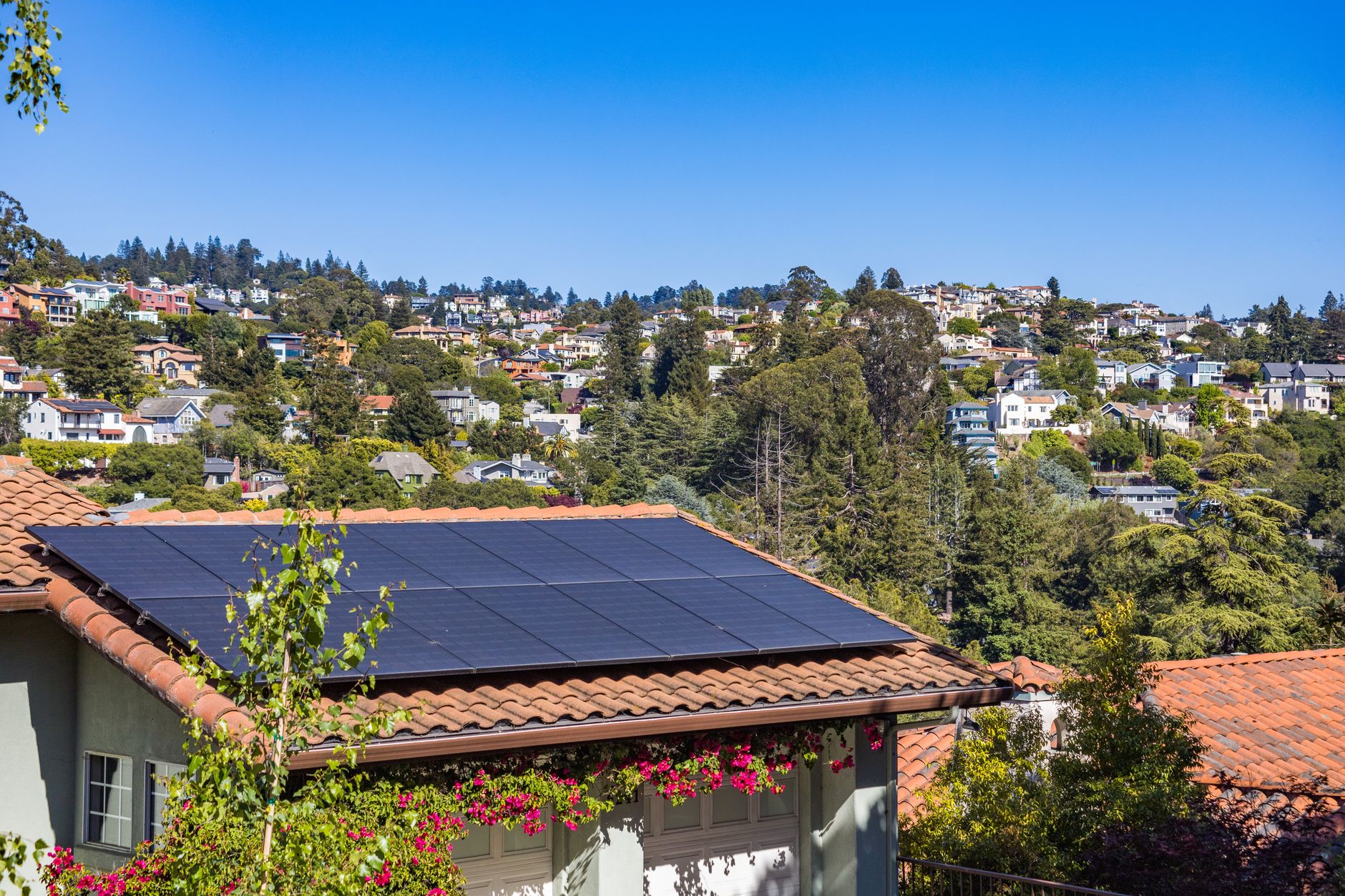
The residential solar market continues its robust expansion, making renewable energy increasingly accessible. In 2023, the sector experienced a 23 percent year-over-year increase in installations, accompanied by an average 12 percent drop in system costs. This combination of growth and affordability has broadened solar adoption beyond high-income households, making rooftop solar a viable option for middle-income families seeking energy independence.
Installing solar panels can significantly offset or even eliminate monthly electricity bills, providing a predictable energy cost in the face of fluctuating market prices. Beyond direct savings, solar installations can increase property value and contribute to a reduced carbon footprint, aligning with broader environmental goals.
Considering residential solar solutions? Learn more about leveraging solar for your home's energy needs.
Roofing Upgrades
A new roof is more than just structural protection; it's an opportunity to enhance energy efficiency. An NAHB study indicates that homeowners can recoup an average of 70 percent of their investment when installing a new roof. This return can be amplified by selecting energy-efficient roofing materials, such as reflective shingles or metal roofs with special coatings, which reduce heat absorption and transfer into the attic.
Reflective roofing materials help keep the home cooler in warm climates, lowering air conditioning demand. Paired with proper attic ventilation and insulation, an energy-efficient roof system forms a comprehensive barrier against temperature extremes, contributing significantly to overall home comfort and energy savings.
Interested in protective and energy-efficient roofing? Explore modern roofing materials and their benefits.
The table below summarizes key benefits and typical returns for common energy-efficiency upgrades:
| Upgrade Type | Primary Benefit | Typical Savings/ROI |
|---|---|---|
| Attic Insulation & Air Sealing | Reduces heat loss/gain, enhances comfort | Up to 30% on heating/cooling costs |
| Residential Solar Panels | Generates own electricity, reduces utility bills | Significant reduction or elimination of electricity costs, increased home value |
| Energy-Efficient Roofing | Reflects sunlight, reduces heat absorption | 70% average recoup of investment, lower cooling loads |
| High-Efficiency Windows | Minimizes heat transfer, blocks UV | 10-25% reduction in heating/cooling costs |
| HVAC System Upgrade | Optimized heating and cooling, improved air quality | 20-40% reduction in energy use for heating/cooling |
Navigating Incentives and Regulations
Homeowners planning energy-efficiency renovations benefit from a supportive regulatory and financial environment. Federal, state, and local programs are designed to encourage these upgrades.
Federal Tax Credits and State Rebates
The federal Energy-Efficient Home Tax Credit (IRC Section 25C/25D) offers substantial incentives, allowing homeowners to claim up to a 30 percent credit for qualified insulation, windows, and HVAC upgrades. This credit is available through 2035, providing a long-term opportunity for significant financial relief. Many states complement these federal programs with their own rebates, which can cover an additional 10 to 20 percent of project costs. These incentives make high-impact upgrades more affordable and accelerate the payback period for investments.
Building Codes and Compliance
Modern building codes play a crucial role in ensuring that home improvements meet minimum performance standards. Most jurisdictions now require compliance with the International Energy Conservation Code (IECC) for new construction and significant remodeling projects. These codes mandate specific levels of insulation, window performance, and air sealing, among other energy-saving measures. Adhering to these codes ensures that upgrades are effective and contribute to a home's long-term energy performance and safety.
Before embarking on any major renovation, homeowners should also review their homeowners' association (HOA) covenants. Some HOAs may have design restrictions that could impact external changes, such as solar panel placement or specific roofing materials. Understanding these guidelines early in the planning process can prevent potential delays or conflicts.
Practical Steps for Homeowners
Embarking on energy-efficiency upgrades begins with informed decision-making. A structured approach can help homeowners prioritize projects and maximize their investment.
- Conduct a Home Energy Audit: A professional energy audit provides a comprehensive assessment of a home's energy performance, identifying specific areas of heat loss, air leakage, and inefficient appliance use. This audit offers a roadmap for the most impactful upgrades.
- Prioritize Air-Leak Fixes: Before investing in larger projects, addressing air leaks and improving insulation often yields the quickest returns. These foundational improvements create a more stable thermal envelope, enhancing the effectiveness of subsequent upgrades.
- Explore Local Utility Rebate Programs: Many utility companies offer rebates for specific energy-efficient upgrades, such as smart thermostats, appliance replacements, or insulation improvements. These programs can often be stacked with federal tax credits, further reducing out-of-pocket expenses.
- Consult with Qualified Professionals: Working with experienced contractors and energy advisors ensures that projects are designed and executed to meet performance goals and comply with all relevant codes and regulations. Professionals can also help homeowners navigate available incentives and choose the most suitable materials and systems for their specific home and climate.
By aligning awareness of climate challenges with the available financial incentives and expert guidance, homeowners can achieve measurable comfort gains while protecting their long-term financial health and contributing to a more sustainable future.
Prepared to upgrade your home? Contact a home improvement specialist to assess your options and determine the right strategy for your specific situation.