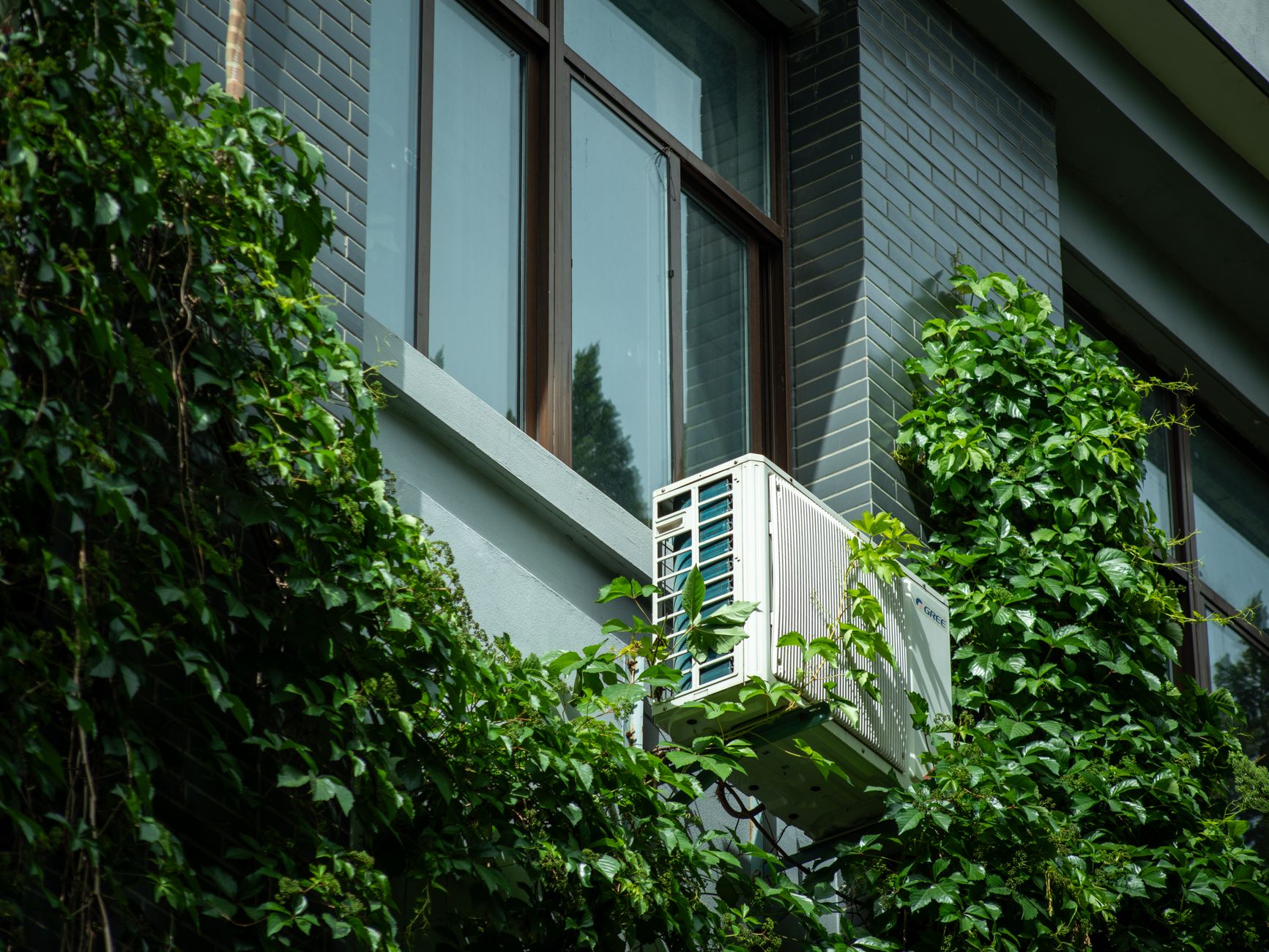
Energy-efficient windows represent a substantial investment for homeowners, yet they promise significant long-term returns in energy savings, enhanced comfort, and environmental benefits. According to Rupa Mehta, a recognized home expert at Angi, the initial outlay for energy-efficient windows typically ranges from $300 to $1,000 per window. This is a noticeable premium compared to traditional windows, which are generally priced between $180 and $410. However, this higher upfront cost is often justified by a reported 68% return on investment (ROI), primarily because these advanced windows can reduce annual energy bills by an average of 12%, translating to annual savings of $100 to $600 for homeowners.
The U.S. Department of Energy (DOE) further substantiates these claims, highlighting that energy-efficient windows—particularly double or triple-pane models with specialized coatings and gas fills—can reduce heating and cooling energy loss by a significant 25-30%, depending on the specific climate and season. The DOE's data indicates that Energy Star-certified windows, a benchmark for efficiency, utilize approximately 137 kBtu per square foot annually, a notable improvement over the 174 kBtu consumed by less efficient models. This substantial difference underscores the potential for considerable energy conservation.
Understanding the technical specifications of energy-efficient windows is crucial for making an informed decision. Key performance criteria, often certified by organizations like the National Fenestration Rating Council (NFRC), provide a clear picture of a window's efficiency:
| Criteria | Description | Significance |
|---|---|---|
| U-factor | Measures the rate of heat transfer through the window. | Lower values indicate better insulation and less heat loss, crucial in colder climates. |
| Solar Heat Gain Coefficient (SHGC) | Measures how much solar radiation passes through the window and becomes heat. | Lower values block more solar heat, ideal for warmer climates to reduce cooling loads. |
| Air Leakage | Measures how much air infiltrates through the window assembly. | Lower values mean fewer drafts and better energy performance. |
| Visible Transmittance | Measures the amount of visible light that passes through the window. | Higher values allow more natural light into a room. |
| Condensation Resistance | Measures a window's ability to resist the formation of condensation on the interior surface. | Higher values indicate better resistance, improving comfort and reducing potential moisture issues. |
Beyond the technical specifications, proper installation is paramount to achieving the advertised energy savings and comfort benefits. Even the most technologically advanced windows will underperform if installed incorrectly. For example, replacing old, single-pane windows in deteriorating wood frames with Energy Star-certified double-paned units can lead to dramatic reductions in monthly power costs. However, upgrading from already efficient double-pane windows to new Energy Star models might yield less immediately noticeable savings, requiring a closer look at the ROI and other benefits.
Homeowners must carefully consider their local climate and the current condition of their existing windows when evaluating whether energy-efficient windows are a worthwhile investment. For instance, the optimal window choice for a home in a hot, sunny climate like Florida, where minimizing solar heat gain is critical, will differ significantly from the best option for a home in a cold, northern climate like Maine, where maximizing insulation against heat loss is the priority. Energy-efficient windows offer more than just monetary savings on utility bills; they also significantly reduce outdoor noise intrusion, decrease a home's overall carbon footprint, provide enhanced indoor comfort by eliminating drafts and cold spots, protect interior furnishings from harmful UV rays, and can extend the lifespan of HVAC systems by reducing their workload.
Understanding Energy-Efficient Window Technologies
The efficiency of modern windows stems from a combination of advanced technologies:
- Low-Emissivity (Low-E) Coatings: These microscopically thin, transparent metallic layers are applied to glass surfaces to reflect heat. In colder climates, Low-E coatings help keep heat inside the home, while in warmer climates, they prevent heat from entering. Different types of Low-E coatings are optimized for various climatic conditions.
- Insulating Gas Fills: The space between multiple panes of glass is often filled with inert gases like argon or krypton. These gases are denser than air and provide superior insulation, significantly reducing heat transfer through the window. Krypton is typically used in narrower gaps and offers even better thermal performance.
- Warm-Edge Spacers: The spacers that separate the glass panes in insulated glazing units (IGUs) can also impact efficiency. Warm-edge spacers are made from less conductive materials than traditional aluminum, reducing heat transfer at the edge of the glass and minimizing condensation buildup.
- Frame Materials: The frame material itself plays a crucial role in the window's overall thermal performance. Common materials include vinyl (cost-effective, good insulator, low maintenance), wood (natural insulator, aesthetically pleasing, but requires more maintenance), fiberglass (highly durable, stable, excellent insulation, but higher cost), and thermally broken aluminum (strong, durable, but inherently less insulating than other materials unless specially designed to reduce thermal conductivity).
- Multiple Panes: Double-pane windows are standard for energy efficiency, with two panes of glass separated by an air or gas-filled space. Triple-pane windows, featuring three panes and two insulating spaces, offer even greater insulation and noise reduction, making them ideal for very cold climates or homes seeking maximum quiet.
Assessing Long-Term Energy Savings and ROI
When investing in energy-efficient windows, the initial installation cost is only one part of the financial equation. Homeowners must carefully weigh these upfront expenses against the consistent, long-term reductions in utility bills, the improved thermal performance of their home, and the potential increase in property value. The concept of a 'payback period' is key here: it refers to the time it takes for the energy savings to equal the initial investment.
Calculating your potential ROI involves several factors: the initial cost of the windows and installation, your current energy consumption, local energy prices, the efficiency of your existing windows, and your climate. While exact calculations can be complex, a simple estimate for ROI can be derived from the formula: `(Annual Energy Savings / Initial Window Cost) * 100`. Consider also that energy savings compound over the typical lifespan of new windows, which can be 20-30 years or more. Furthermore, a home equipped with modern, energy-efficient windows often commands a higher resale value, appealing to buyers who prioritize lower operating costs and sustainability.
Material Quality and Durability Standards for Windows
The choice of window materials is integral to both the structural longevity and the long-term energy performance of your investment. High-performance window components—including advanced glazing, robust frame materials, and durable hardware—ensure that your windows withstand the elements, maintain their integrity, and perform optimally for decades.
For frames, vinyl offers excellent thermal resistance and requires minimal maintenance, making it a popular choice. Fiberglass frames boast superior strength, stability against temperature fluctuations, and are highly insulating. Wood frames provide natural insulation and aesthetic appeal, though they demand more maintenance. Each material has distinct advantages concerning insulation, durability, and cost. Understanding the material science behind your chosen windows ensures they meet both your efficiency goals and your home's aesthetic and structural demands, minimizing ongoing maintenance overhead and maximizing their lifespan.
Assessing Professional Installation vs. DIY for Window Upgrades
While minor home cosmetic updates might be suitable for a DIY approach, major efficiency retrofits like window replacement unequivocally require specialized expertise. The proper installation of energy-efficient windows is as critical as the quality of the windows themselves. Incorrect installation can negate many of the efficiency benefits, leading to air leaks, moisture intrusion, and compromised structural integrity. Professional installers possess the necessary skills to ensure airtight seals, proper insulation around the frame, and correct flashing techniques that prevent water damage and maximize thermal performance.
Professional installation also ensures compliance with local building codes and, importantly, protects manufacturer warranties, which are often voided by improper self-installation. Attempting a DIY window replacement can lead to higher long-term costs due to potential repairs, reduced energy savings, and diminished comfort, making the investment in expert installation a wise decision for optimal performance and peace of mind.
Project Timelines and Weather Considerations for Window Installation
Home improvement schedules for window replacement vary considerably based on the project's scope, the number of windows, and critically, seasonal weather conditions. Proper planning is essential to ensure that exterior renovations like window installations are completed efficiently and without undue disruption to daily routines or the home's thermal envelope.
Ideal weather for window installation is typically moderate, with low wind and no precipitation, allowing sealants and caulking to cure properly and minimizing exposure of the home's interior to the elements. Installing windows during extreme hot or cold weather can affect the performance of sealants, compromise insulation materials, and lead to significant heat or cold loss during the installation process. Planning your window replacement during optimal weather windows ensures the best possible outcome for both the installation quality and the comfort of your household.
Maximizing Rebates and Financing Incentives for Energy-Efficient Windows
Many regional, federal, and local utility programs offer substantial financial incentives for homeowners who upgrade to energy-efficient products, including windows. Evaluating these financial incentives early in your planning process can significantly offset the total project costs, making the investment more attainable and improving your overall ROI.
These incentives often come in the form of federal tax credits (e.g., for ENERGY STAR certified products), state or local utility company rebates, or low-interest financing options specifically designed for energy-efficient home improvements. Researching available programs in your area can reveal opportunities to reduce your out-of-pocket expenses. Websites like Energy Star's rebate finder or your local utility provider's site are excellent resources for identifying applicable incentives before you make a purchase decision.
Warranty Coverage and Quality Assurance for Window Investments
When investing in energy-efficient windows, comprehensive warranty coverage and robust quality assurance are non-negotiable. Reliable manufacturers and service providers back their products and installations with guarantees that offer long-term peace of mind. A strong warranty typically covers different components, such as glass breakage, seal failure (which can lead to fogging between panes), and defects in the frame or hardware.
It is crucial for homeowners to understand the specifics of both the manufacturer's product warranty and the installer's workmanship warranty. Key aspects to investigate include the warranty duration, transferability (important if you plan to sell your home), and any specific conditions that might void the coverage. A transparent and comprehensive warranty not only protects your investment against potential defects but also serves as a strong indicator of the product's quality and the installer's confidence in their work.
Ultimately, a successful energy-efficient window project is a strategic investment that profoundly enhances your property's daily comfort, significantly boosts energy efficiency, and provides long-lasting value and environmental benefits for years to come. By carefully considering all factors—from technology and installation to climate and incentives—homeowners can make an informed decision that truly benefits their home and their budget.
Considering an upgrade to enhance your property's thermal performance and overall comfort? Connect with our team to discuss tailored window and door solutions for your project's unique requirements.


