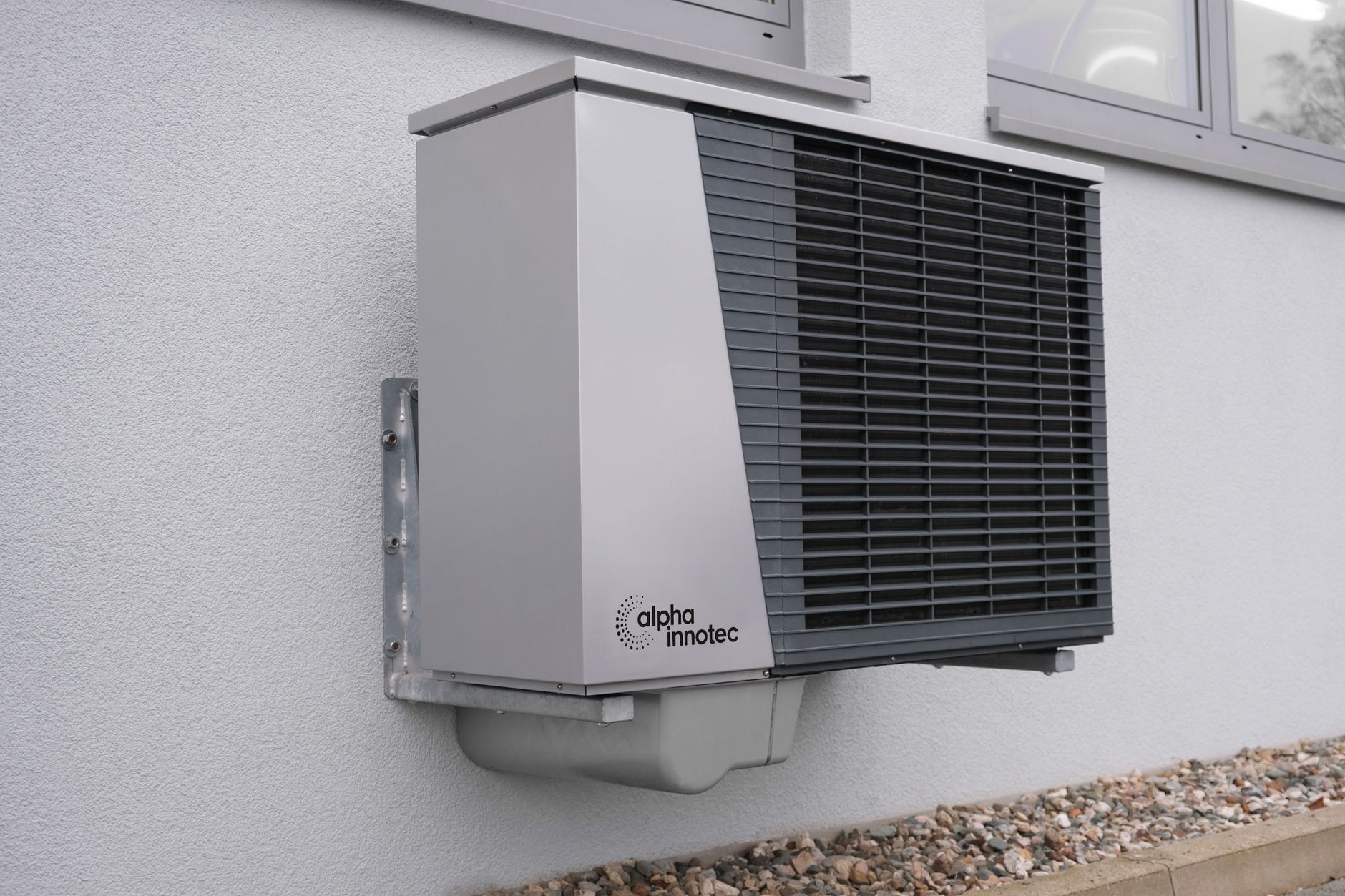
The UK government is currently assessing long-term budgetary allocations for the Boiler Upgrade Scheme (BUS), an environmental initiative that provides capital grants of up to £7,500 for air-source heat pumps and up to £9,000 for ground-source installations in eligible off-grid residential properties. Since its formal rollout in 2022, the statutory scheme has supported over 80,000 domestic installations across England and Wales, playing a central role in national decarbonisation strategies. Official Department for Energy Security and Net Zero (DESNZ) deployment statistics show that roughly 42% of supported installations have benefited households with annual incomes below £52,000, underscoring the grant's expanding reach beyond early adopters.
Amid broader treasury reviews exploring public expenditure reallocations toward national infrastructure and defense, market analysts are closely watching future funding caps. Clean technology leaders, including Octopus Energy chief executive Greg Jackson, point out that sustained capital subsidies have driven supply-chain efficiencies, rapidly narrowing the net capital cost gap between standard condensing gas boilers and domestic heat pump units. Conversely, consumer bodies caution that abrupt reductions in subsidy caps could slow consumer adoption rates, especially when the statutory target requires 600,000 heat pump installations annually by 2028 to satisfy legally binding carbon budget targets.
Overview of Current Boiler Upgrade Scheme Capital Grants
| Grant Type / Technology | Standard Grant Value | Eligibility Criteria | Target Efficiency Metric |
|---|---|---|---|
| Air-to-Water Heat Pump | £7,500 | Homes with valid EPC lacking outstanding cavity/loft recommendations | Minimum Seasonal Coefficient of Performance (SCOP) of 2.8 |
| Ground-Source Heat Pump | £9,000 | Properties with suitable land access or boreholes | Minimum SCOP of 3.0 |
| Biomass Boiler | £5,000 | Rural properties not connected to the national gas grid | Emissions Class 5 compliance |
| Hybrid Integration Systems | Exempt from BUS | Requires standalone funding under ECO4 or local authority delivery | System-specific efficiency |
To navigate changing funding schemes, homeowners should consult accredited installer registries like the Microgeneration Certification Scheme (MCS). A thorough technical assessment is essential before committing capital to a home heating retrofit.
Assessing Technical Feasibility and Heat Loss Calculations
Heat pumps operate at lower flow temperatures—typically between 35°C and 50°C—than traditional gas boilers, which cycle hot water at 65°C to 75°C. As a result, assessing a home’s heat loss characteristics under BS EN 12831 standards is vital before choosing a system. A thorough assessment measures room-by-room thermal loss through exterior walls, window fenestration, ground floors, and roofs to ensure correct system sizing.
Undersized heat pumps run heating elements constantly during peak winter conditions, raising electricity bills. Oversized units cycle on and off frequently, increasing mechanical wear on the scroll compressor and lowering overall seasonal efficiency. Industry data reveals that properties receiving full fabric improvements—such as insulated cavity walls, minimum 300mm loft insulation, and double or triple glazing—reduce design heat loss by 35% to 50%, enabling smaller, more economical heat pump systems.
Capital Investment, Running Costs, and Lifecycle Economics
Evaluating clean heating investments requires comparing upfront installation expenses with ongoing lifecycle operating costs. High-efficiency gas condensing boilers typically cost between £2,200 and £4,000 fully installed. In contrast, an air-source heat pump generally ranges from £9,000 to £13,000 before grants, depending on necessary radiator replacements, pipework upgrades, and hot water cylinder installations.
With the £7,500 Boiler Upgrade Scheme voucher, upfront customer capital contributions often drop to between £2,500 and £5,500, making them competitive with premium gas installations. Operational economics depend heavily on the Spark Gap—the price ratio between retail electricity and natural gas per kilowatt-hour (kWh). With heat pump Seasonal Coefficients of Performance (SCOP) averaging 3.2 to 4.0, every unit of electricity consumed generates 3.2 to 4.0 units of thermal energy. Matching heat pump operation with time-of-use tariffs, smart hot water scheduling, and domestic solar PV arrays helps property owners secure substantial long-term utility savings.
Evaluating home energy improvements? Review detailed guidance through independent consumer resources such as the Energy Saving Trust or certified MCS advisory directories to determine your home’s eligibility and plan the most suitable heating setup.
Comparative Installation Paths: Independent Sourcing vs. Accredited Providers
Heating replacements require careful planning to ensure compliance with UK Building Regulations Part L (Conservation of fuel and power) and Part P (Electrical safety). While purchasing equipment independently may appeal to experienced renovators, grant regulations mandate end-to-end installation by an MCS-certified professional to qualify for government support.
MCS-certified installers perform certified static heat calculations, manage local Distribution Network Operator (DNO) notifications for electrical safety, properly configure system controls, and directly deduct the grant voucher from the final invoice. Home Builders Federation surveys show that certified installations maintain a 96% first-year operational reliability rate, compared to significantly lower rates for non-standard, self-commissioned systems that risk voiding component warranties.
Implementation Timelines and Seasonal Planning Considerations
Retrofitting a heating system requires scheduling coordination, especially during colder months when losing heating during work is disruptive. A straightforward gas-to-heat-pump retrofit typically takes between three and five working days, covering:
- Decommissioning and safe disposal of existing boiler assets, expansion vessels, and flue systems.
- Surveying and laying concrete mounting bases with integrated vibration dampers.
- Upgrading electrical consumer units and laying high-amp dedicated radial cables.
- Replacing select low-surface-area panel radiators with higher output Type 22 or Type 33 steel convectors.
- Installing a high-recovery domestic hot water cylinder equipped with larger heat exchanger coils.
Planning these installations during spring or summer allows ample commissioning time and ensures balanced flow rates before winter heating demands begin.
Regulatory Compliance, Guarantees, and Long-Term Value Protection
Investing in major building services requires robust consumer protection. Leading heat pump manufacturers—such as Daikin, Vaillant, Mitsubishi Electric, and Viessmann—offer extended 5 to 7 year parts-and-labour warranties, provided the equipment is serviced annually according to manufacturer specifications.
Additionally, properties upgraded to higher Energy Performance Certificate (EPC) bands generally experience improved market appeal. As prospective buyers increasingly scrutinize EPC ratings and energy bills, verified low-carbon heating systems paired with strong insulation represent durable investments in long-term property performance.


