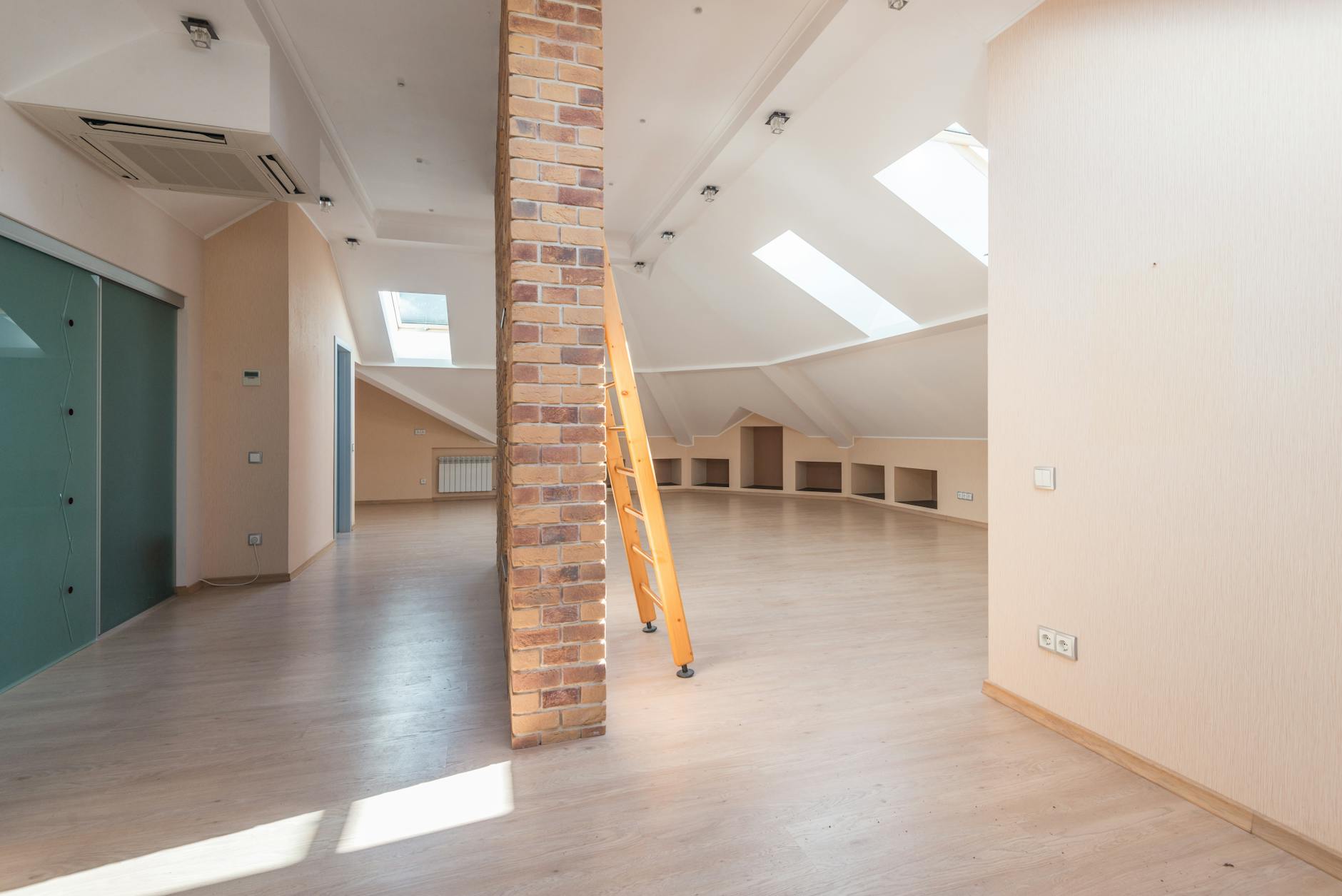
Can You Add New Loft Insulation Over Old?
Enhancing your home's energy efficiency and comfort often involves considering attic insulation upgrades. A common question homeowners ask is whether it's possible to add new loft insulation over existing material. The short answer is yes, but with critical caveats that necessitate professional assessment.
When Adding New Insulation is Viable
The primary condition for layering new insulation is that the existing material must be dry, clean, and free from any damage or infestation. A professional insulation technician must conduct an inspection to confirm its good state. If the current insulation has always remained dry and shows no signs of degradation, adding a fresh layer on top can significantly boost your home's thermal performance.
When Old Insulation MUST Be Removed
It is imperative to remove old insulation if any of the following conditions are present:
| Condition | Reason for Removal |
|---|---|
| Water Damage | Insulation that has become wet or damp due to leaks creates a breeding ground for mold, mildew, and pests. |
| Pest Infestations | Signs of rodents, insects, or other pests indicate contamination and potential damage to the insulation's integrity. |
| Mold or Mildew | Visible mold or mildew growth poses health risks and degrades insulation effectiveness. |
| Fire Damage | Any insulation compromised by fire must be removed for safety and performance reasons. |
| Vermiculite Insulation | If vermiculite insulation is present, it must be tested for harmful chemicals, particularly asbestos. |
Best Practices for Installation and Optimization
Regardless of whether insulation is being added over existing material or replaced entirely, professional installation is crucial. Key considerations include:
- Air Sealing: Performing air sealing before installing new insulation is highly recommended, as it can significantly raise the overall energy efficiency and R-value of the insulation system.
- Installation Technique: New rolled insulation should be laid perpendicular to roof joists. It's critical never to tack down or compress insulation, as this can dramatically reduce its R-value.
- Vapor Barriers: It is generally not recommended to place faced (which typically includes a vapor barrier) insulation directly over existing insulation in an attic. Proper vapor guard placement is essential to prevent moisture issues.
Homeowners should consider an attic insulation upgrade if they experience drafts, fluctuating indoor temperatures, or notice higher-than-usual energy bills. While using the same type of material as existing insulation is often recommended, a professional can best advise on the optimal material (e.g., fiberglass, cellulose, spray foam) based on specific home conditions and performance goals.
Not sure which insulation upgrade offers the best fit for your home? Reach out to our advisors to discuss thermal performance options.
Assessing Long-Term Energy Savings
When investing in home upgrades, initial installation costs are only part of the equation. Homeowners must weigh upfront expenses against long-term utility bill reductions, thermal performance gains, and potential property value increases.
Material Quality and Durability Standards
Choosing high-performance materials—such as energy-efficient window glazing, advanced insulation fibers, or weather-resistant roofing—ensures structural longevity and minimizes ongoing maintenance overhead.
Assessing Professional Installation vs. DIY
While minor cosmetic updates can be handled independently, major efficiency retrofits require specialized expertise. Professional installation ensures compliance with local building codes and protects manufacturer warranties.
Project Timelines and Weather Windows
Home improvement schedules vary based on project scope and seasonal conditions. Proper planning ensures that exterior renovations or weatherproofing initiatives are completed efficiently without disrupting daily routines.
Maximizing Rebates and Financing Incentives
Many regional and federal programs offer tax credits or rebates for energy-efficient home upgrades. Evaluating these financial incentives early can significantly offset total project costs.
Warranty Coverage and Quality Assurance
Reliable service providers back their installations with comprehensive workmanship guarantees and manufacturer warranties, giving homeowners long-term peace of mind.
Ultimately, a successful home improvement project should enhance your property's daily comfort, boost energy efficiency, and provide long-lasting value for years to come.