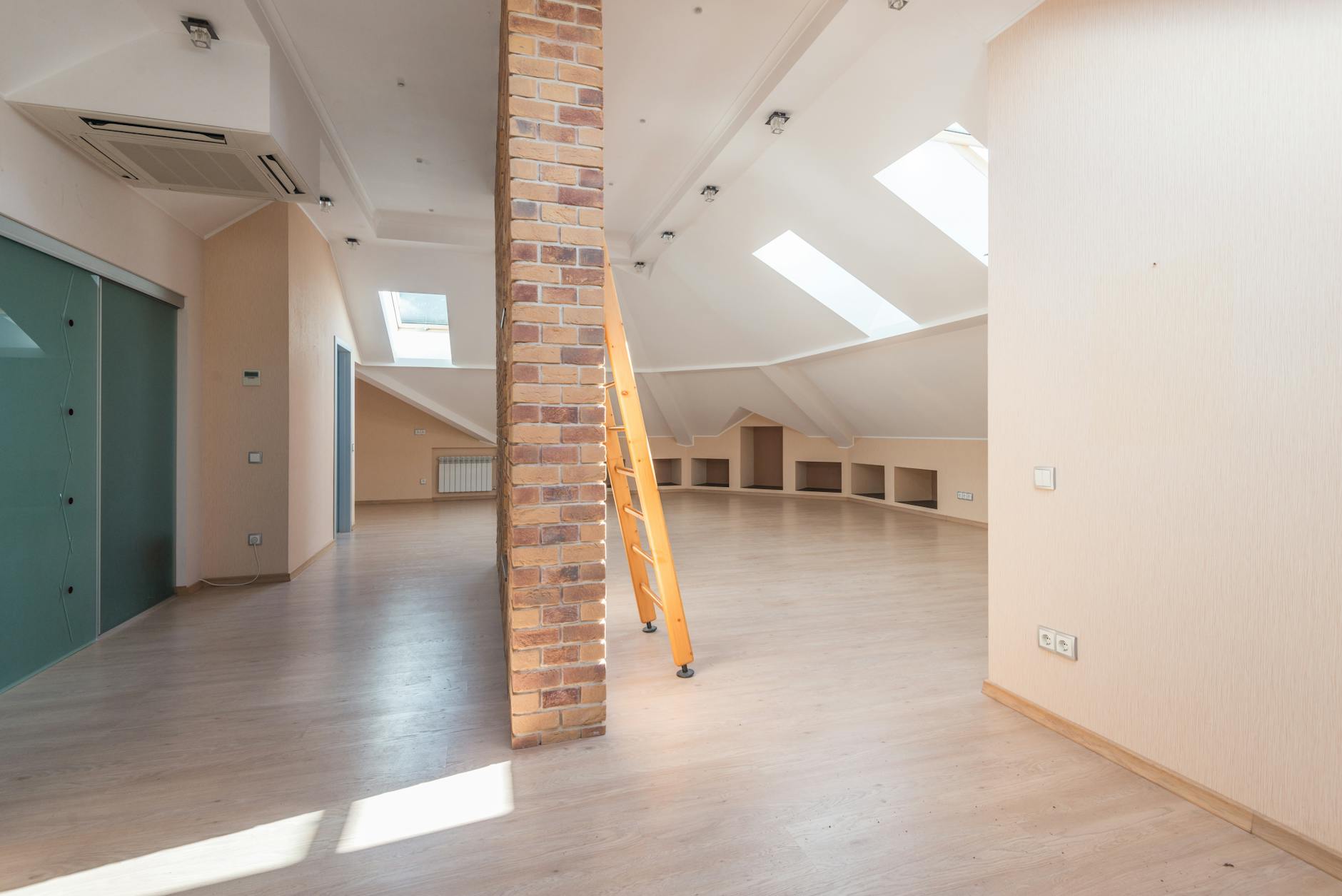
When to Replace Loft Insulation for Efficiency
Loft insulation plays a crucial role in maintaining a home's energy efficiency, comfort, and structural well-being. Despite its importance, the lifespan and specific replacement needs of insulation are often overlooked by homeowners. While certain insulation materials, such as fibreglass, can theoretically offer a century of service under perfect conditions, real-world environmental factors frequently reduce this considerably. Understanding when to conduct a thorough inspection, perform necessary repairs, or opt for a complete insulation replacement is vital for any homeowner aiming to uphold optimal property performance and reduce running costs.
When to Inspect Your Loft Insulation
The decision to replace insulation is rarely simple. If your existing loft insulation remains consistently dry, clean, and uncompressed, it might still provide adequate thermal resistance. In such cases, a cost-effective "top-up" might be sufficient, where new layers are added, ideally perpendicularly, to achieve the recommended depth. This approach can extend the life of your insulation system without the need for full removal. However, several critical indicators signal that a full removal and replacement are not just recommended, but often essential for your home's health and efficiency. Ignoring these signs can lead to more significant problems down the line, affecting both your property and your wallet.
Clear Signs Your Insulation Needs Replacement
Identifying compromised insulation early can prevent extensive issues. Homeowners should regularly check their loft space for these specific indicators:
- Fire or Water Damage: Any exposure to fire or significant water ingress instantly renders most insulation types ineffective. Water-damaged insulation loses its thermal properties, becoming a damp, heavy material that can facilitate the growth of mould, mildew, and structural rot, posing serious health risks and compromising timber integrity.
- Unusually High Energy Bills: A sudden or gradual increase in heating or cooling costs, despite no changes in usage habits, often points to thermal degradation. This means your insulation is no longer effectively preventing heat transfer, allowing up to 25% of heat to escape through the roof alone.
- Rodent or Pest Infestations: Droppings, nests, or chewed material from rodents, birds, or insects not only degrade insulation physically but also create unhygienic conditions. These pests can introduce allergens and pathogens, posing significant health risks to occupants. The damage they cause can compress and shift insulation, creating thermal bridges where heat easily escapes.
- Presence of Hazardous Materials: Older homes, particularly those built before the year 2000, might contain hazardous materials like asbestos in their insulation. If asbestos is suspected, it is crucial not to disturb it and to consult with certified professionals immediately for safe assessment and removal.
- Significant Compression or Settling: Insulation works by trapping air. When it becomes compressed, either from storage items, foot traffic, or settling over time, its ability to trap air is severely reduced. For example, insulation compressed to 100mm can see its performance drop by as much as 50%. This directly translates to increased heat loss and reduced energy efficiency.
- Material Deterioration: Over time, insulation materials can degrade, becoming brittle, dusty, or crumbling. This physical breakdown indicates a loss of structural integrity and, consequently, a decline in thermal performance.
- Heavy Dust Accumulation and Allergens: An accumulation of dust, dirt, and allergens within the insulation can compromise indoor air quality, contributing to respiratory issues for sensitive individuals. Old, dirty insulation can become a reservoir for airborne particles that circulate throughout the home.
Lifespans of Common Insulation Materials
The longevity of your loft insulation greatly depends on the material type and the specific conditions within your loft. Understanding these typical lifespans can help you plan for inspection and potential replacement.
| Material Type | Typical Lifespan (Ideal Conditions) | Recommended Inspection/Maintenance | Replacement Trigger (Key Factors) |
|---|---|---|---|
| Fibreglass (Rolls/Batts) | 20-30 years | Inspect every 7-10 years for shifting, settling, or wear. | Water damage, compression, pest infestation, significant degradation. |
| Blown-in (Cellulose/Mineral Wool) | 10-15 years before needing top-up | Annual check for settling, drifting, or moisture ingress. | Settling, drifting, water damage, pest contamination, reduced depth. |
| Spray Foam (Closed/Open-cell) | Lifetime of the building (if installed correctly) | Minimal inspection needed post-installation; check for cracks if structural movement occurs. | Improper installation leading to issues, major structural damage affecting integrity. |
| Rigid Boards (PIR/Phenolic) | Often 50+ years | Inspect during other loft work; check for damage to boards or seals. | Physical damage, water ingress compromising seals, significant long-term deterioration. |
- Fibreglass Insulation: While it can last 20 to 30 years in ideal, undisturbed conditions, experts often advise a closer inspection after 7 to 10 years. This allows for early detection of shifting, settling, or any initial signs of wear that might compromise its effectiveness.
- Blown-in Insulation (e.g., Cellulose): Due to its nature, blown-in insulation often experiences settling and drifting over time, which reduces its effective depth and R-value. It typically requires new layers to be added every 10 to 15 years to maintain optimal performance. Like fibreglass, it must be replaced if it becomes wet, as moisture severely degrades its thermal properties and can lead to mould.
- Spray Foam Insulation: When professionally installed correctly, spray foam is generally considered a permanent solution, often lasting the lifetime of the building without needing replacement. Its rigid, airtight nature makes it highly resistant to pests, moisture, and settling.
The Benefits of Upgrading Your Loft Insulation
Replacing old, ineffective, or damaged insulation is more than just a maintenance task; it's a strategic investment in your home's future. The benefits extend beyond immediate comfort to long-term financial and health advantages.
- Significant Energy Savings: Upgrading your loft insulation to modern standards can drastically reduce heat loss. An under-insulated loft can be responsible for up to 25% of a home’s total heat loss, meaning a quarter of your heating bill could be escaping through your roof. By enhancing your thermal envelope, you keep more warmth inside during winter and more cool air inside during summer, directly lowering your energy consumption.
- Improved Home Comfort: Effective insulation creates a more stable internal temperature, eliminating cold spots and drafts. This leads to a consistently comfortable living environment throughout your home, regardless of external weather conditions.
- Healthier Indoor Air Quality: Removing old insulation contaminated with dust, mould, or pest droppings significantly improves indoor air quality. New, clean insulation reduces the presence of allergens and potential irritants, contributing to a healthier living space for your family.
- Enhanced Structural Protection: Proper insulation helps regulate moisture levels in the loft space, reducing the risk of condensation, timber rot, and other moisture-related structural issues that can arise in poorly insulated or ventilated attics.
- Return on Investment: The financial return from replacing old insulation is often substantial. Savings on heating and cooling costs typically pay for the upgrade within approximately four years, making it one of the most cost-effective home energy improvements.
Considering a comprehensive review of your home's energy performance? Reach out to our advisors to discuss a full home energy audit and identify potential upgrades.
The Replacement Process: Topping Up vs. Full Removal
The decision to top up existing insulation or undertake a full removal and replacement hinges on the condition of the current material. Addressing the source of any moisture or pest issues before any new installation is crucial to prevent recurrence.
- Topping Up: If your existing insulation is dry, clean, free from pests, and simply below the recommended depth, adding new layers can be a cost-effective solution. This is often done by laying new insulation perpendicular to the old to minimise thermal bridging. Ensure the existing insulation provides a good foundation and isn't compacted or damaged. This method is suitable only when the base layer is in good, clean condition.
- Full Removal and Replacement: This process is frequently advised when the old insulation is contaminated, damaged, or severely degraded. Removing old insulation prevents potential contamination from pests, eliminates retained moisture that can lead to mould, and removes accumulated allergens, all of which can compromise indoor air quality and family health. Professionals use specialised equipment to safely remove old materials, especially if hazardous substances are present. This ensures a clean slate for new, efficient insulation.
Cost Considerations for Loft Insulation Upgrades
The cost of replacing loft insulation can vary significantly based on material choice, loft size, ease of access, and labour rates. However, it's an investment with a strong return.
- Fibreglass Insulation: Insulating a typical loft to the recommended 270mm depth with fibreglass rolls might cost around £1200, including labour. This provides a good balance of cost and performance for many homeowners.
- High-Performance Rigid Boards: For superior thermal performance or when space is limited, high-performance PIR (polyisocyanurate) rigid boards are an excellent choice. A 150mm installation using these boards could be closer to £2500, reflecting their higher R-value per inch and greater longevity.
- Factors Affecting Cost: Additional costs might arise from the removal of old insulation, particularly if it's contaminated or contains hazardous materials. Remedial work, such as improving ventilation or preparing the loft floor for boarding, can also add to the overall expense. Consulting with an expert can provide a precise estimate tailored to your home's specific needs.
Exploring upgrades to your home's roof or structural elements? Contact our team to discuss how to integrate robust structural protection with energy efficiency.
Meeting Current UK Standards and Regulations
Ensuring your loft insulation meets current regulatory standards is paramount for energy efficiency and compliance. The current UK recommendation for glass wool insulation is a depth of 250mm to 270mm. This is a substantial increase from the 100mm often found in older properties. Upgrading to this recommended thickness can drastically improve comfort, reduce heat loss (which can account for up to 25% of a home’s total heat loss), and substantially lower energy bills.
It's important to remember that building regulations have evolved significantly over time to reflect a greater emphasis on energy conservation and environmental impact. An older property with only 100mm of insulation is considered significantly under-insulated by today's standards, leading to inefficient heating and higher carbon emissions. For homes where hazardous materials like asbestos are suspected, it is critical to consult professionals experienced in safe assessment and removal, as disturbing these materials without proper precautions can pose serious health risks.
Planning a home modernization project that includes various upgrades? Get in touch with ProNestCX to help you review your choices and plan the right approach.
Conclusion
Loft insulation is a dynamic component of your home's energy performance, not a fit-and-forget solution. Regular inspection and timely action based on the condition and type of insulation are essential for maintaining a healthy, energy-efficient home. Recognising the signs of degradation or damage, understanding material lifespans, and knowing when to upgrade to current standards can lead to significant savings, improved comfort, and a safer living environment for years to come. Investing in modern, high-quality insulation is an investment in your home's long-term value and sustainability.
Not sure which insulation upgrade offers the best fit for your home? Reach out to our advisors to discuss thermal performance options.