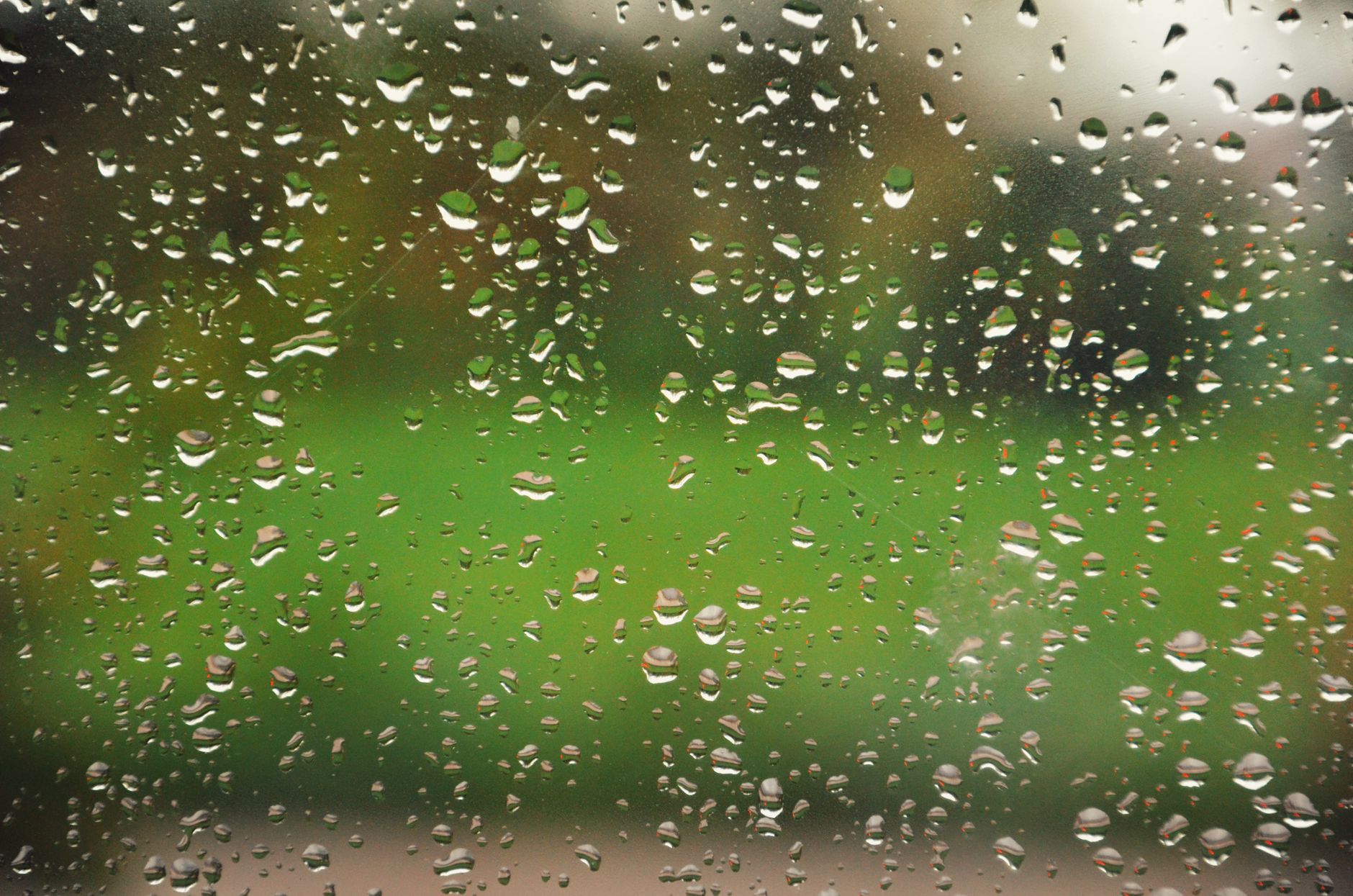
Condensation vs Damp: Why Homeowners Need to Distinguish
Moisture problems appear in many homes, but not all moisture is created equal. When a homeowner sees water on a window pane or feels a musty smell in a bedroom, the underlying cause could be condensation, damp, or a combination of both. Misidentifying the source often leads to costly repairs, persistent mold, and higher heating or cooling bills.
What Is Condensation?
Condensation occurs when warm, humid indoor air contacts a surface that is colder than the air's dew point. The water vapor releases its latent heat and turns into liquid water on that surface. Typical hotspots include interior glass windows, cold water pipes, metal ducts, and poorly insulated interior walls. Because the process is temperature‑driven, it can happen within minutes after a sudden temperature drop, such as when a cold front arrives or when a hot shower ends.
What Is Damp?
Damp describes any condition where building materials retain excess moisture, regardless of the source. Damp can arise from condensation, but it also includes exterior water intrusion (roof leaks, faulty flashing), rising ground moisture, and plumbing leaks. Unlike condensation, which is surface‑specific, damp often manifests as generalized wet spots, peeling paint, bubbling plaster, or a persistent musty odor that spreads across walls, ceilings, or floors.
Key Distinctions at a Glance
| Aspect | Condensation | Damp |
|---|---|---|
| Primary source | Internal, temperature‑driven | Internal or external (leaks, ground water, rain) |
| Typical location | Cold surfaces – windows, pipes, metal ducts | Broad areas – walls, ceilings, floors, foundations |
| Formation speed | Minutes after temperature change | Days to months, depending on source |
| Visible signs | Water droplets, streaks, fogged glass | Wet patches, peeling paint, mold, musty odor |
Why Moisture Matters for Energy Efficiency
Moisture directly attacks the thermal performance of insulation. When water saturates insulation fibers, the material's R‑value can drop by up to 30%, forcing heating and cooling systems to work harder. The U.S. EPA reports that 30% of American homes experience moisture‑related damage each year, costing an average of $1,200 in repairs. A Department of Energy study adds that uncontrolled condensation can raise heating bills by 5‑10% because humid air feels cooler, prompting higher thermostat settings.
Common Triggers That Lead to Condensation or Damp
- Indoor activities that raise humidity above 60% without adequate ventilation (cooking, showering, laundry).
- Highly airtight construction that lacks balanced mechanical ventilation. ASHRAE 62.2 recommends 0.35 cfm/ft² of exhaust air.
- Single‑pane or poorly sealed windows that create cold interior surfaces.
- Missing or insufficient insulation and vapor barriers, allowing warm indoor air to meet cold exterior sheathing.
- Exterior water pathways such as clogged gutters, improper grading, or roof membrane failures.
Practical Mitigation Strategies
Addressing moisture requires a layered approach that tackles both the source and the pathway. Effective moisture control begins with understanding that no single solution works in isolation—a comprehensive strategy typically combines multiple approaches.
- Control indoor humidity through targeted ventilation. Install exhaust fans in kitchens and bathrooms (≥100 CFM for showers, ≥200 CFM for cooking). Use a dehumidifier in basements or crawl spaces and consider a heat‑recovery ventilator (HRV) or energy‑recovery ventilator (ERV) for whole‑home air exchange.
- Upgrade insulation and windows. High‑R batts or closed‑cell spray‑foam combined with double‑ or triple‑pane low‑E windows raises surface temperatures and reduces condensation risk. Aim for attic R‑values of R‑38 to R‑60 depending on climate zone.
- Seal air leaks. Weather‑stripping, expanding foam, and proper flashing prevent warm, moist air from reaching cold assemblies. Use a smoke pencil or infrared camera during pressurization testing to locate hidden pathways.
- Address external water sources. Ensure proper grading (minimum 5‑inch slope for the first 6 ft), clean gutters, and extend downspouts at least 4 ft from the foundation. French drains or sump pumps can mitigate hydrostatic pressure.
For detailed guidance on insulation upgrades, see our resource page.
Learn more about ventilation solutions for moisture control.
How to Diagnose the Problem
Homeowners can perform a systematic assessment before calling a professional by following these evidence‑based steps:
- Measure surface temperatures. Use an infrared thermometer or thermal imaging camera. A temperature differential greater than 10 °F between a surface and surrounding walls suggests condensation.
- Observe moisture patterns. Repeated droplet formation on windows or pipes points to condensation; widespread wetness, peeling paint, or mold away from windows indicates damp.
- Track indoor humidity. Values consistently above 60% signal a ventilation deficit. Use a calibrated hygrometer placed away from heat sources and record readings over 24‑48 hours.
- Inspect the building envelope. Look for gaps around windows, roof flashing, foundation cracks, and signs of efflorescence. Document findings with photos and dates.
Documenting these observations helps contractors target the right fix and avoid unnecessary work.
Integrating Upgrades for Long‑Term Protection
When the root cause is identified, a coordinated set of upgrades yields the best results. Pairing high‑R attic insulation with low‑E windows and an HRV system simultaneously reduces condensation, restores insulation performance, and lowers energy consumption. Many rebate programs target insulation and window upgrades, helping offset a portion of the cost.
Key Takeaways
- Condensation is temperature‑driven and surface‑specific; damp is any excess moisture in building materials.
- Uncontrolled moisture can cut insulation R‑value by up to 30% and raise heating bills by 5‑10%.
- Effective control combines ventilation, high‑R insulation, airtight sealing, and exterior water management.
- Accurate diagnosis prevents wasted repairs and protects against mold growth.
Case Study: Managing Condensation in a Historic Home
A 19th‑century townhouse in the Pacific Northwest experienced persistent fogging on interior windows and occasional mold on interior plaster. The owners initially blamed poor ventilation, but a moisture audit revealed that the original single‑pane windows and a lack of interior vapor barriers were the primary culprits. By installing interior‑facing double‑pane low‑E windows, adding a discreet HRV system, and applying a Class II vapor retarder on the warm side of the wall cavity, indoor relative humidity dropped from 65% to 45% and condensation was eliminated within two weeks. Energy bills fell by roughly 8% during the first heating season, and the historic plaster was preserved without further damage.
Advanced Monitoring and Smart Controls
Modern smart‑home hubs can integrate hygrometers, temperature sensors, and HVAC controls to maintain optimal indoor conditions automatically. For example, a Wi‑Fi‑enabled hygrometer can trigger the HRV or a dehumidifier when humidity exceeds 55%, while a programmable thermostat adjusts setpoints based on outdoor temperature trends. Data logging provides homeowners and contractors with a clear timeline of moisture events, making it easier to pinpoint recurring problems and verify the effectiveness of mitigation measures.
Planning a moisture control or energy‑efficiency project? Consider consulting a qualified professional to review your options and plan an appropriate approach based on your specific home conditions.
For more home‑efficiency tips and renovation insights, read our latest guides.


