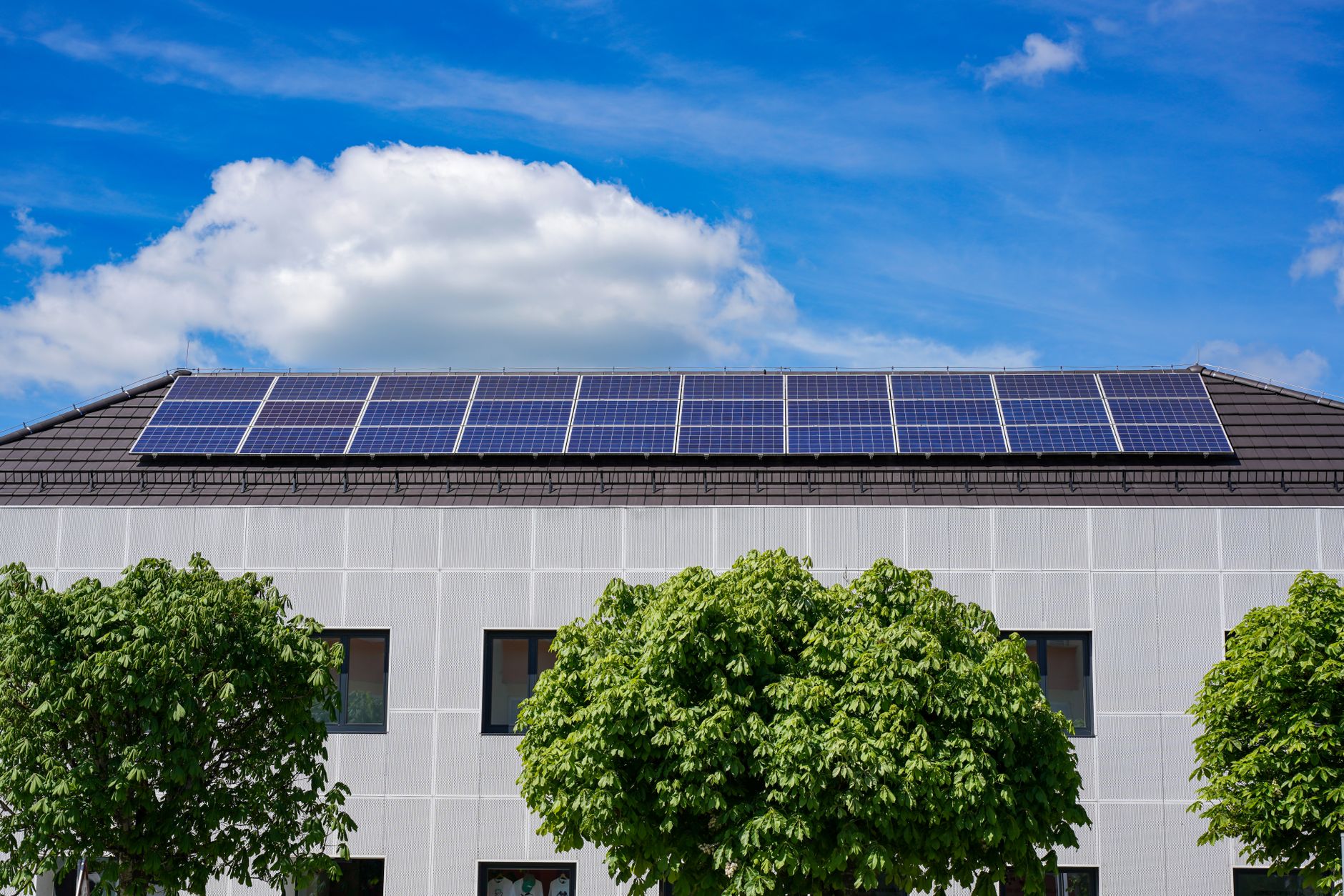
Why cloudy days matter for solar owners
Homeowners often wonder whether a solar array will still be useful when the sky is overcast. In the United Kingdom, cloud cover can dominate the weather for weeks, and in many regions rain is the norm. Understanding how panels respond to diffuse light helps set realistic expectations for bill savings and carbon reductions.
Diffuse light still carries usable energy
Solar cells convert photons into electricity. When clouds block direct sunlight, they scatter light, turning a bright point source into a broader, softer illumination known as diffuse light. Although the intensity drops, the spectrum remains largely unchanged, so photovoltaic (PV) cells can still generate a measurable current.
University of Brighton findings
A controlled experiment by the University of Brighton measured output from standard monocrystalline modules under three cloud conditions:
| Cloud Condition | Typical Output (% of clear‑sky rating) |
|---|---|
| Light clouds (scattered) | 60–80% |
| Medium overcast | 30–50% |
| Heavy overcast | 10–25% |
The study confirms that even on the darkest days, a system still produces between one‑tenth and one‑quarter of its peak capacity.
Rain does not stop generation – it can help
Rainfall adds another layer of diffusion, further reducing direct irradiance. However, the water also washes dust, pollen, and soot from the glass surface. A typical panel can lose 2–5% of its efficiency after a month of uncleaned operation. A light rain can recover most of that loss, effectively boosting output on subsequent cloudy days.
Temperature influences efficiency more than sunshine
PV cells are semiconductor devices; their voltage drops as temperature rises. On a hot, sunny summer day, a panel may operate at 30‑35 °C above ambient, reducing its conversion efficiency by up to 0.5% per degree Celsius. Conversely, a cool, breezy, cloudy day can keep module temperature close to ambient, often improving performance compared with a scorching clear‑sky day. In practice, a 10 °C temperature drop can raise output by 5–7%.
National data: reliability despite frequent clouds
The UK government’s Renewable Energy Monitoring Programme tracks thousands of domestic installations. The data shows that average annual capacity factors for residential PV range from 10% in the north‑west to 13% in the south‑east, even though the country averages 1,200 h of sunshine per year. The gap is largely explained by diffuse‑light generation and the modest temperature penalty during summer peaks.
Regional nuances – north versus south
Scotland’s cooler, wetter climate means panels stay cooler, offsetting the lower solar irradiance. Long‑term degradation rates measured over ten years are about 0.3% per year, slightly below the UK average of 0.5%. In contrast, southern England experiences higher irradiance but also higher summer temperatures and occasional humidity‑induced soiling, leading to marginally faster degradation.
Implications for the homeowner
When evaluating a solar investment, the following points should be weighed:
- Expected annual production. Use a local solar calculator that incorporates average cloud cover and temperature profiles rather than a simple “sunny‑day” estimate.
- Cleaning schedule. In areas with frequent rain, panels often stay cleaner, reducing the need for manual washing. In drier regions, a quarterly cleaning can preserve up to 5% of output.
- System sizing. Oversizing by 10–15% can compensate for the lower output during prolonged overcast periods, especially if the homeowner wants to meet a specific percentage of their electricity demand.
- Storage considerations. A battery system smooths daily fluctuations, allowing excess energy captured on bright days to be used when clouds arrive.
Even with an average of 20% reduced output on cloudy weeks, a typical 4 kW system in the UK still offsets roughly 2 t of CO₂ per year and cuts electricity bills by £300‑£400.
Hybrid solutions for ‘solar droughts’
Extended periods of low solar irradiance—sometimes called “solar droughts”—can stretch over several weeks in the winter months. Pairing PV with a small wind turbine, a heat‑pump, or a grid‑connected battery can maintain a steady renewable share. For example, a 5 kWh battery paired with a 4 kW panel can store up to 15 kWh of daylight surplus, enough to cover a typical UK household’s night‑time demand during a three‑day cloudy stretch.
Financial and carbon payback under cloudy conditions
Financial models that assume 100% of clear‑sky output will overstate savings. Adjusted models that factor in a 10‑80% output range, with an average of 45% for the UK climate, still show a payback period of 7–10 years for most domestic installations, well within the 25‑year panel lifespan.
Carbon‑wise, every kilowatt‑hour generated from PV replaces grid electricity, which in the UK averages 0.233 kg CO₂/kWh. Even at 30% of peak output, a 4 kW system avoids roughly 0.7 t of CO₂ annually.
How to decide if solar fits your roof
Begin with a site‑specific assessment that records roof orientation, tilt, shading, and local weather data. Most installers use tools such as PV*SOL or the UK Met Office’s solar irradiance maps. The assessment should also include:
- Projected annual generation under realistic cloud scenarios.
- Estimated cleaning frequency and associated costs.
- Potential for battery integration and expected round‑trip efficiency.
These figures give a transparent picture of expected savings, allowing the homeowner to compare solar against other upgrades like loft insulation or high‑efficiency windows.
For detailed sizing, see our Solar Panel Sizing Guide.
Learn about storage options in our Home Battery Storage Overview.
Evaluating solar or renewable energy options for your property? Talk to our team for a free, no-obligation home assessment.
Assessing Long-Term Energy Savings
When investing in home upgrades, initial installation costs are only part of the equation. Homeowners must weigh upfront expenses against long-term utility bill reductions, thermal performance gains, and potential property value increases.
Material Quality and Durability Standards
Choosing high-performance materials—such as energy-efficient window glazing, advanced insulation fibers, or weather-resistant roofing—ensures structural longevity and minimizes ongoing maintenance overhead.
Assessing Professional Installation vs. DIY
While minor cosmetic updates can be handled independently, major efficiency retrofits require specialized expertise. Professional installation ensures compliance with local building codes and protects manufacturer warranties.
Project Timelines and Weather Windows
Home improvement schedules vary based on project scope and seasonal conditions. Proper planning ensures that exterior renovations or weatherproofing initiatives are completed efficiently without disrupting daily routines.
Maximizing Rebates and Financing Incentives
Many regional and federal programs offer tax credits or rebates for energy-efficient home upgrades. Evaluating these financial incentives early can significantly offset total project costs.
Warranty Coverage and Quality Assurance
Reliable service providers back their installations with comprehensive workmanship guarantees and manufacturer warranties, giving homeowners long-term peace of mind.
Ultimately, a successful home improvement project should enhance your property's daily comfort, boost energy efficiency, and provide long-lasting value for years to come.
Ultimately, a successful home improvement project should enhance your property's daily comfort, boost energy efficiency, and provide long-lasting value for years to come.
Ultimately, a successful home improvement project should enhance your property's daily comfort, boost energy efficiency, and provide long-lasting value for years to come.
Ultimately, a successful home improvement project should enhance your property's daily comfort, boost energy efficiency, and provide long-lasting value for years to come.
Ultimately, a successful home improvement project should enhance your property's daily comfort, boost energy efficiency, and provide long-lasting value for years to come.


