Modern homes rely heavily on their roofs to maintain indoor comfort and control utility costs. When a roof is outdated or lacks proper insulation, conditioned air escapes, forcing heating and cooling systems to work harder. Replacing a roof with materials designed for thermal performance can significantly reduce energy consumption and increase the overall value of the property.
Three Pillars of an Energy‑Efficient Roof
1. Insulation – Spray‑foam panels and rigid foam boards deliver high R‑values and airtight seals, limiting air leakage. Spray foam offers superior airtightness, whereas fiberglass batts provide a cost‑effective alternative when installed correctly. Beyond these, other insulation types like cellulose and mineral wool are also worth considering. Blown-in cellulose, often made from recycled paper, offers an eco-friendly option with an R-value of approximately 3.5 to 4.0 per inch, providing decent thermal resistance and excellent soundproofing. Mineral wool, on the other hand, boasts high thermal efficiency (R-value of about 3.5 per inch) along with exceptional fire resistance and durability, though it tends to be heavier and more costly. Selecting the right insulation depends on your home's specific needs, local climate, and budget constraints.
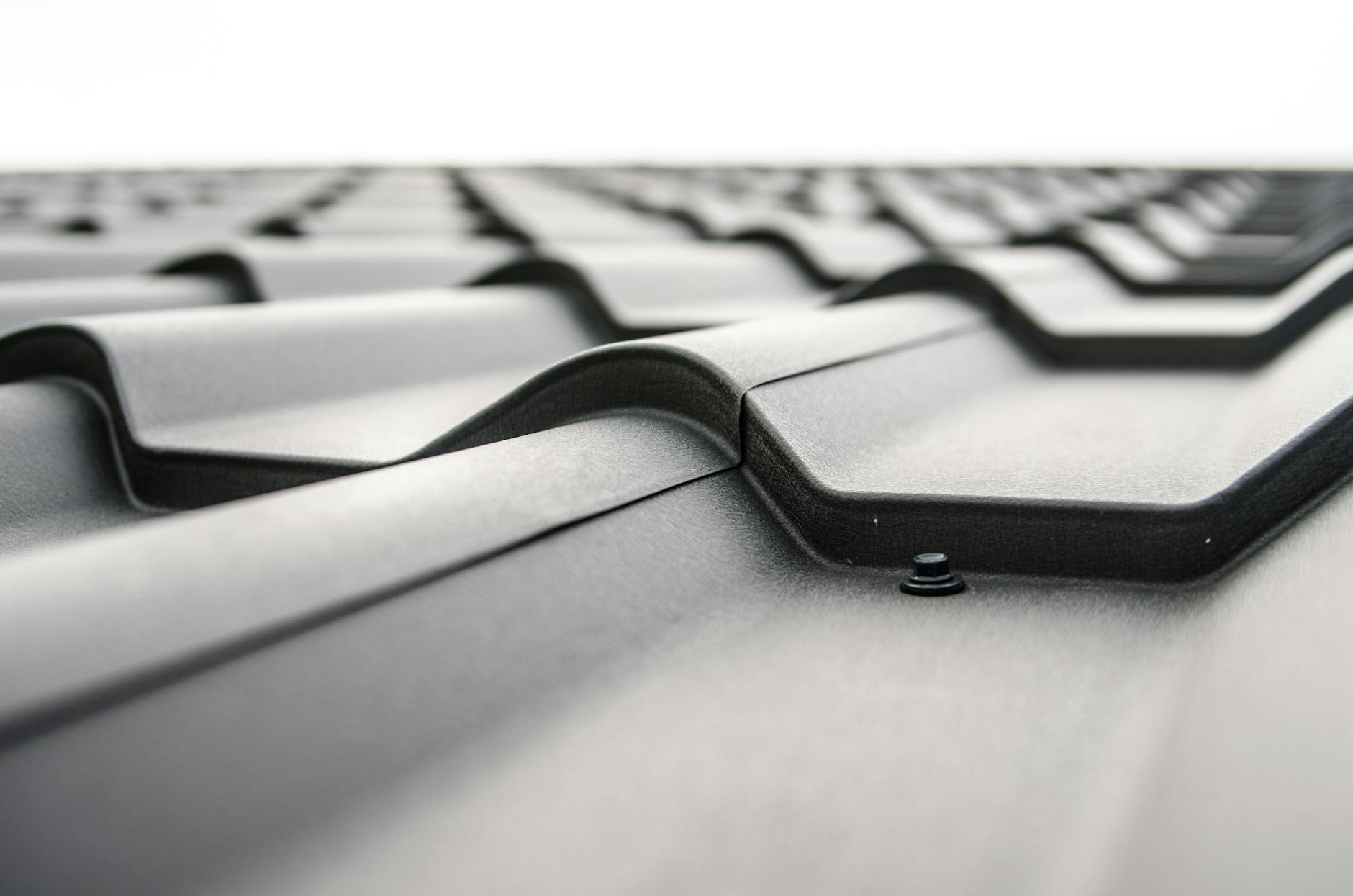
2. Roofing Material – Architectural shingles now incorporate cool‑roof technology, which reflects a portion of solar radiation. The specialized granule coatings can reflect up to 20 % more sunlight than conventional shingles, helping keep interiors cooler during summer and warmer during winter.
3. Ventilation – Ridge vents and soffit vents work together to create continuous airflow. Proper ventilation removes hot attic air, prevents moisture buildup, and reduces the risk of ice dams and mold.
Seeking a balanced roof system? Evaluate your climate, budget, and long‑term goals with a qualified professional to choose the best combination of insulation, material, and ventilation.
Material Selection and Energy Savings
Industry studies report annual savings of 10 % to 50 % when a roof is upgraded with modern materials. Cooling cost reductions typically fall between 20 % and 40 % when the right combination of insulation and cool‑roof shingles is used. The most effective systems maintain a uniform barrier where each component supports the others.
For instance, spray‑foam insulation not only reduces air infiltration but also increases the overall R‑value of the roof assembly, lowering the load on HVAC units during heating and cooling seasons. Fiberglass batts, while less expensive, still provide noticeable energy benefits when installed with proper air‑sealing techniques.
Cool‑Roof Shingles and Solar Integration
Cool‑roof shingles reflect solar radiation, which can lower the roof surface temperature. In hot climates, this can decrease cooling loads by up to 30 %. Some products, such as GAF’s Timberline Solar shingles, combine roofing with photovoltaic panels, generating electricity on‑site and further reducing electricity costs.
When selecting cool-roof products, it is essential to look for recognized certifications. The ENERGY STAR program and the Cool Roof Rating Council (CRRC) provide independent ratings for solar reflectance and thermal emittance. CRRC ratings allow homeowners and contractors to compare the performance of different roofing products under standardized conditions, ensuring that the chosen materials meet the advertised efficiency standards. Certified cool-roof products can help qualify for various utility rebates and green building incentives, further enhancing the financial benefits of an energy-efficient roof.
Ventilation: The Invisible Backbone
Without adequate airflow, attic temperatures can rise dramatically, causing the HVAC system to work overtime. Ridge vents allow hot air to escape, while soffit vents supply fresh air, creating a pressure‑balanced system that keeps the roof assembly dry and efficient.
Choosing the right ventilation system? Consider local building codes, climate, and roof geometry, and discuss options with a licensed contractor.
Professional Installation: A Critical Factor
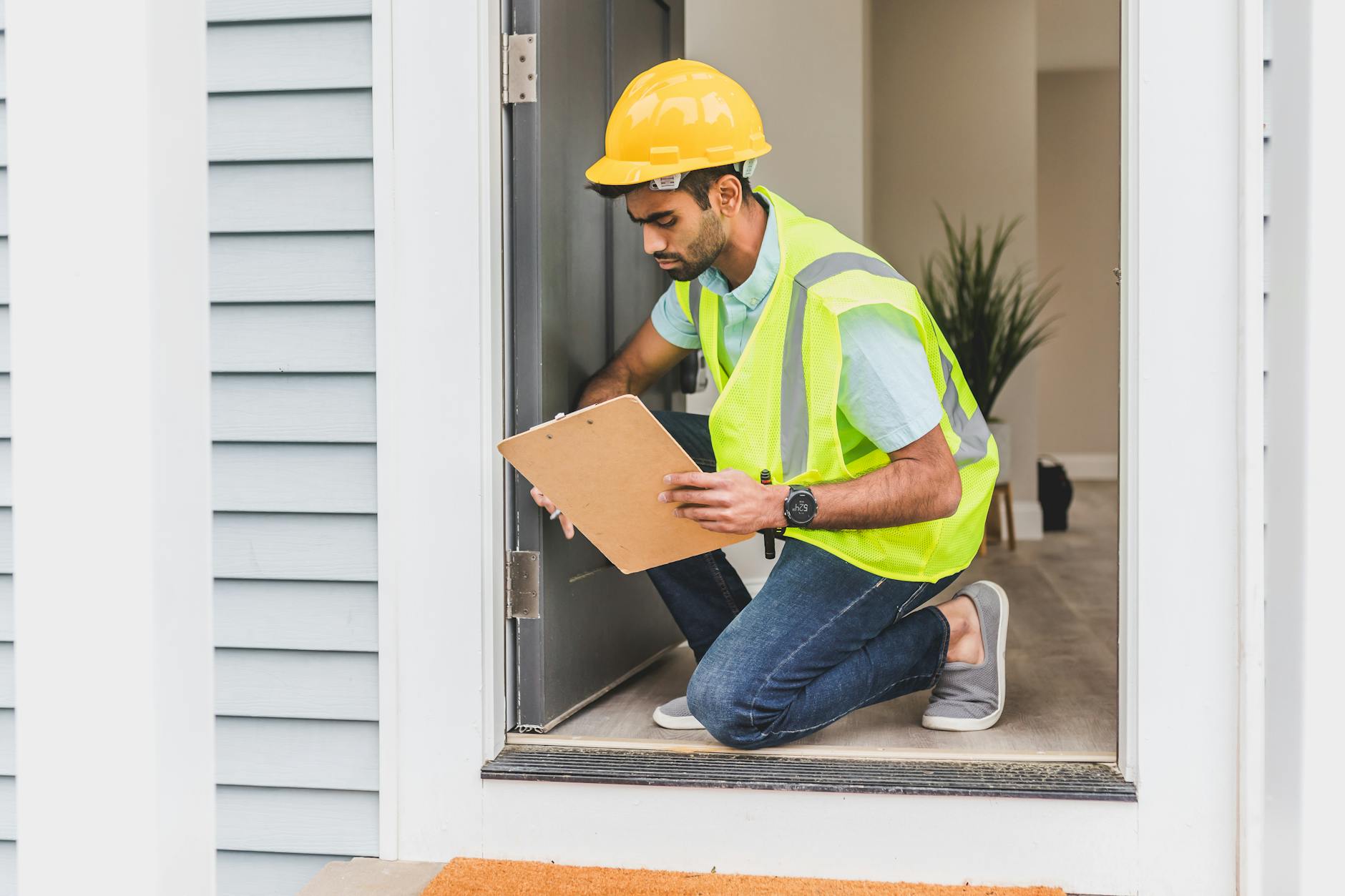
Even the most advanced materials underperform if installation is improper. Common errors include air leaks, misaligned vents, and uneven layering, all of which can diminish energy performance and compromise structural integrity. Engaging experienced installers ensures that the roof assembly achieves the intended airtightness and thermal resistance.
Financial Impact Beyond Energy Bills
A new roof can increase home value by 60 % to 70 % through improved curb appeal and energy performance. While energy savings may reach 25 % compared with a worn roof, the primary return often comes from the enhanced marketability and reduced maintenance needs.
Calculating Return on Investment (ROI) and Payback
Understanding the financial return on an energy-efficient roof involves more than just monthly utility bills. Homeowners should consider the total return on investment (ROI), which includes long-term energy savings, reduced maintenance costs, and the potential increase in property value. While the initial cost of high-performance roofing materials and insulation can be higher than standard options, the cumulative savings over time often justify the expense.
The payback period—the time it takes for energy savings to cover the initial investment—typically ranges from five to fifteen years, depending on factors such as local climate conditions, current energy rates, and the efficiency of the existing HVAC system. For instance, homes in regions with high cooling demands or volatile energy prices tend to see faster payback periods. Additionally, government incentives, tax credits, and utility rebates can significantly reduce upfront costs, shortening the payback timeline and improving the overall ROI. Conducting a personalized energy audit can provide a clearer estimate of expected savings and help homeowners make a financially sound decision.
Assessing Roof Age and Condition
Roof life varies by material, but most asphalt shingles last 15 to 25 years. Signs of deterioration—such as missing granules, curled or blistered shingles, or leaks—indicate that replacement is approaching. Evaluating the roof’s condition early allows homeowners to plan upgrades before costly repairs become necessary.
Regional Climate Considerations
Climates dictate material choice and the overall design of the roofing system. In hot, humid regions, cool‑roof shingles and high‑R insulation are critical to reduce cooling demand and prevent moisture buildup. In cold, snowy zones, durable materials that resist ice dam formation, along with sufficient thermal resistance and ventilation to keep the attic temperature close to the outdoor temperature, are essential. In temperate climates, a balanced approach that provides both summer cooling and winter heating savings is often the most effective. Local building codes may also dictate minimum R‑values, ventilation requirements, and fire resistance ratings, making it important to consult regional guidelines before selecting materials. The table below provides a brief overview of climate-specific recommendations:
| Climate Zone | Recommended Insulation | Roofing Material Focus | Key Benefit |
|---|---|---|---|
| Hot Arid | High-R rigid foam or spray foam | High-reflectance cool shingles or tile | Maximize solar reflection, reduce AC costs |
| Hot Humid | Insulation with vapor barrier, R-38 to R-49 | Reflective shingles, proper soffit/ridge ventilation | Reduce cooling load, prevent moisture issues |
| Cold / Snowy | Deep cavity insulation, R-49 to R-60 | Metal or durable asphalt, ice & water shield | Prevent ice dams, retain heat in winter |
| Mixed / Temperate | Balanced insulation, R-38 to R-49 | Architectural shingles with moderate reflectivity | Balanced heating and cooling savings |
Financial Incentives and Rebates
Many states, municipalities, and utility companies offer tax credits, rebates, or performance‑based incentives for energy‑efficient roofing. Identifying and applying for these programs early can offset upfront costs and shorten the payback period.
Installation Timing and Weather Windows
Roofing projects are weather‑dependent. In regions with a short dry season, scheduling installation during that period reduces weather‑related delays. Proper planning also minimizes disruptions to daily routines and ensures timely completion.
Maintenance and Longevity
Routine inspections, debris removal, and timely repairs extend the life of a roof. Even with modern materials, regular maintenance keeps the roof’s energy performance stable and prevents hidden damage that could compromise structural integrity.
Case Study: Energy Savings in Three Months
One homeowner replaced a 15‑year‑old roof with a spray‑foam insulated, cool‑shingle system. Over three months, the HVAC runtime dropped by 35 % during summer peaks, and the winter heating bill decreased by 22 %. The homeowner also reported reduced temperature fluctuations inside the home.
| Roof Type | Average R-Value | Estimated Cooling Savings | Estimated Heating Savings |
|---|---|---|---|
| Standard Asphalt Shingles | R-30 | 10 % | 5 % |
| Cool‑Roof Architectural Shingles | R-35 | 20 % | 12 % |
| Spray Foam + Cool Shingles | R-50 | 30 % | 20 % |
Key Takeaways
When insulation, roofing material, and ventilation collaborate, the roof transforms from a passive barrier into an active contributor to energy management. This integrated approach reduces utility costs, protects the structure, extends its lifespan, and enhances resale appeal.
Next Steps for Homeowners
1. Assess your roof’s age, material, insulation level, and ventilation status.
2. Consult a licensed contractor to discuss material options suited to your climate and budget.
3. Plan a professional installation that ensures airtightness, proper vent placement, and adherence to building codes.
4. Track energy usage after installation to quantify performance gains.
Considering an upgrade? Gather information on local incentives, climate requirements, and material performance before making a decision.
Long‑Term Value and Energy Management
Investing in a new roof is a long‑term strategy that delivers tangible benefits: lower operating costs, improved indoor comfort, and increased property value. By selecting the right materials and ensuring quality installation, homeowners can achieve a durable, energy‑efficient roofing system that stands the test of time.
Conclusion
Choosing the appropriate combination of insulation, roofing material, and ventilation—and executing the installation with skilled professionals—offers the most reliable path to energy savings and property value enhancement. Homeowners are encouraged to evaluate their roof’s current condition, explore available incentives, and plan for a system that aligns with their local climate and budget.