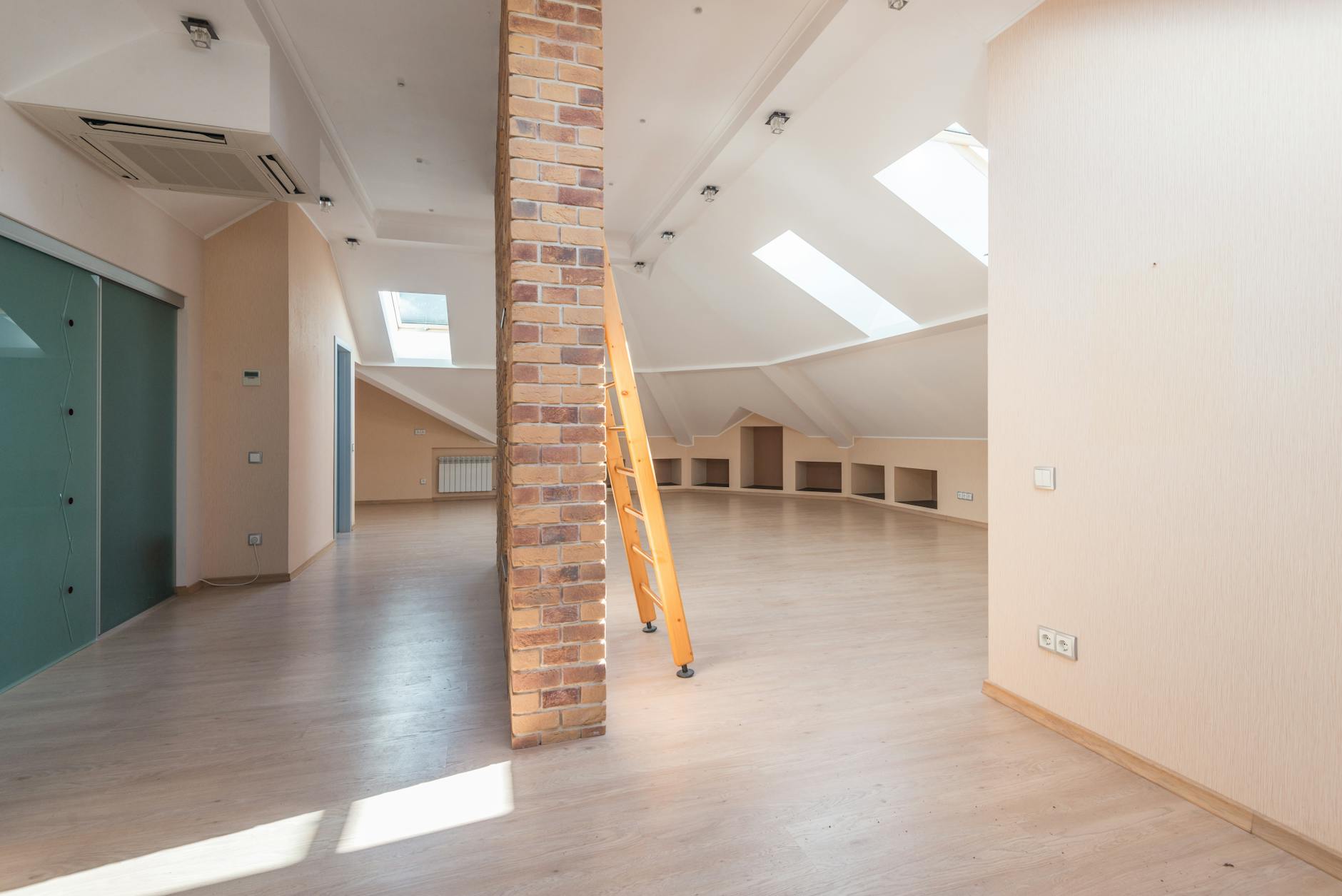
Loft insulation is a critical component of a home's energy efficiency, acting as a barrier against heat loss. While resilient, it is not immune to degradation. Over time, factors ranging from natural aging to external damage can diminish its effectiveness, leading to warmer summers, colder winters, and unexpectedly high energy bills. Recognizing the signs of failing insulation is key to maintaining a comfortable and cost-efficient home.
The Silent Decline: How Insulation Loses Effectiveness
Insulation's primary function is to resist heat flow, a property measured by its R-Value. This value indicates the material's thermal resistance. Over time, insulation materials can settle, compress, or become compromised, directly impacting their R-Value and, consequently, their thermal performance. For instance, compressing insulation to 100mm can reduce its performance by as much as 50%.
When insulation is no longer performing optimally, your home's heating or cooling systems must work harder to maintain desired indoor temperatures. This increased workload translates directly into higher energy consumption and elevated utility bills, representing a 'hidden cost' of neglecting your loft.
Key Indicators of Failing Loft Insulation
Several observable signs suggest that your loft insulation may be past its prime and requires attention. These indicators range from physical degradation to unexplained increases in household expenses.
Physical Degradation and External Compromise
- Water Damage: Insulation exposed to significant water damage, whether from a leaking roof, burst pipes, or persistent condensation, immediately loses its thermal properties. Wet insulation becomes a breeding ground for mold and mildew, posing health risks and potentially compromising the structural integrity of your roof timbers. It is almost always a requirement for immediate replacement.
- Fire Damage: Any insulation affected by fire, even superficially, must be replaced. Its structural integrity and fire-retardant properties are often compromised.
- Rodent Infestations: Pests like rats and mice often nest in insulation, compacting it, tearing it apart, and contaminating it with droppings and urine. This not only reduces its thermal effectiveness but also introduces unpleasant odours and potential health hazards.
- Visible Compression or Sagging: Over years, gravity and minor disturbances can cause insulation, especially fibrous or blown-in types, to settle and compress. This reduces its thickness and creates gaps, diminishing its ability to trap air and insulate effectively.
- Heavy Dust Accumulation: A thick layer of dust on insulation can hinder airflow and contribute to blockages, reducing performance and potentially affecting indoor air quality. It often signals that the material has been in place for an extended period and may be degrading.
Unusually High Energy Bills
Perhaps the most common and compelling sign of inadequate or failing insulation is a noticeable and consistent increase in your energy bills, particularly during extreme weather. If your heating or air conditioning systems seem to be running constantly without effectively maintaining a comfortable indoor temperature, compromised insulation in your loft is a likely culprit. Up to 25% of a home’s heat loss can occur through the roof.
Presence of Hazardous Materials
In older homes, insulation might contain hazardous materials like asbestos, commonly found in vermiculite insulation installed before the 1990s. If you suspect asbestos, it is crucial to avoid disturbing the material and to seek professional assessment immediately. Removal of such materials is essential for safety, health, and restoring efficiency.
Insulation Lifespan by Type
The expected lifespan of loft insulation varies significantly depending on the material and installation quality. Understanding these differences can help you anticipate when inspections and potential replacements might be necessary.
| Insulation Type | Typical Lifespan | Degradation Factors & Notes |
|---|---|---|
| Fiberglass Batts/Rolls | 20-30 years | Can last for decades if kept dry and undisturbed. Inspect after 7-10 years for settling, gaps, or shifting. Vulnerable to moisture and compression. |
| Blown-in Cellulose | 10-15 years | Prone to settling quicker than fiberglass, absorbing water more readily, and 'drifting' which creates cold spots. Requires careful installation. |
| Rock Wool | 20-30 years | Similar durability to fiberglass. Good resistance to fire and pests. Performance degrades with moisture or compression. |
| Spray Foam (Open/Closed Cell) | Lifetime of the building | If properly installed, creates an air seal and maintains thermal performance indefinitely. Less susceptible to pests or moisture if closed-cell. |
| PIR Rigid Boards | Lifetime of the building | Extremely durable with high thermal performance. Impervious to moisture and pests. Does not settle or degrade if installed correctly. |
Regardless of type, wet insulation almost always requires immediate replacement. Its thermal properties are severely compromised, and it creates an ideal environment for mold, mildew, and pests.
Topping Up, Upgrading, or Full Replacement?
Deciding the best course of action for your loft insulation depends on its current condition, age, and your home's overall energy goals.
When to Remove and Replace
Removal of old insulation is often necessary if it is:
- Contaminated by pests or their droppings.
- Damp, water-damaged, or showing signs of mold.
- Saturated with allergens or irritants.
- Composed of hazardous materials like asbestos.
Old insulation, particularly fibrous materials, can retain moisture and 'gifts' from pests, potentially causing health issues and reducing indoor air quality. In these situations, simply topping up is not sufficient; a full removal and replacement is the safest and most effective solution.
Upgrading to Meet Modern Standards
Many older homes have only 100mm of loft insulation, which is insufficient by modern standards. The current UK recommendation for loft insulation thickness is 250mm to 270mm for glass wool insulation. Upgrading to this recommended depth can significantly improve thermal performance.
Considering a broader home energy assessment? Understanding your home's overall energy performance can provide a comprehensive view of potential upgrades.
Topping Up Existing Insulation
If your existing insulation is in good condition but simply not thick enough, topping it up to the recommended depth is a cost-effective improvement. This approach avoids the expense and effort of full removal. It's often recouped within four years through reduced energy bills, offering a significant return on investment. For example, insulating a loft to 270mm with fiberglass can cost around £1200 (including labour), while using PIR rigid boards for higher thermal performance might cost around £2500.
The Hidden Costs of Neglecting Your Loft Insulation
Beyond the obvious increase in energy bills, failing or inadequate loft insulation introduces several other 'hidden costs' that impact your home and well-being.
Compromised Indoor Air Quality and Health Risks
Degraded insulation, especially if affected by mold, dust, or pest infestations, can release spores, allergens, and unpleasant odours into your home's living spaces. This can exacerbate respiratory issues, allergies, and generally reduce the quality of the air you breathe. A healthy home environment relies on clean, dry insulation.
Structural Damage to Your Property
Persistent moisture within insulation, often due to leaks or condensation, can lead to the deterioration of roof timbers and joists. This structural damage can be costly to repair and, if left unchecked, can compromise the integrity of your entire roof structure. The cycle of poor insulation leading to condensation, then to rot, is a common and expensive problem.
Reduced Property Value
A home with inefficient insulation will appear less attractive to potential buyers, especially in a market increasingly focused on energy efficiency. Poor energy performance can lead to lower property valuations and longer selling times. Conversely, a well-insulated home with a good Energy Performance Certificate (EPC) can command a higher price and offer a strong selling point.
Interested in comparing different insulation materials? Explore the advantages and disadvantages of various insulation types to make an informed decision for your home.
Professional Assessment: Your Best Next Step
Determining the exact condition of your loft insulation and the most appropriate course of action requires expertise. A professional assessment can identify specific issues, such as hidden dampness, pest activity, or insufficient R-value, that might not be immediately obvious to the untrained eye.
Professionals can also advise on compliance with current building regulations and energy standards. The UK's recommendations for loft insulation thickness, for example, have evolved significantly. Insulation levels considered adequate 20-30 years ago are often insufficient today. A professional assessment ensures that any upgrades meet these standards and helps you explore potential rebates or grants for energy efficiency improvements.
Replacing compromised insulation can pay for itself within 4 years through reduced energy bills. Investing in modern, high-performance insulation is an investment in your home's long-term comfort, energy efficiency, and overall value.
Not sure which insulation upgrade offers the best fit for your home? Reach out to our advisors to discuss thermal performance options.