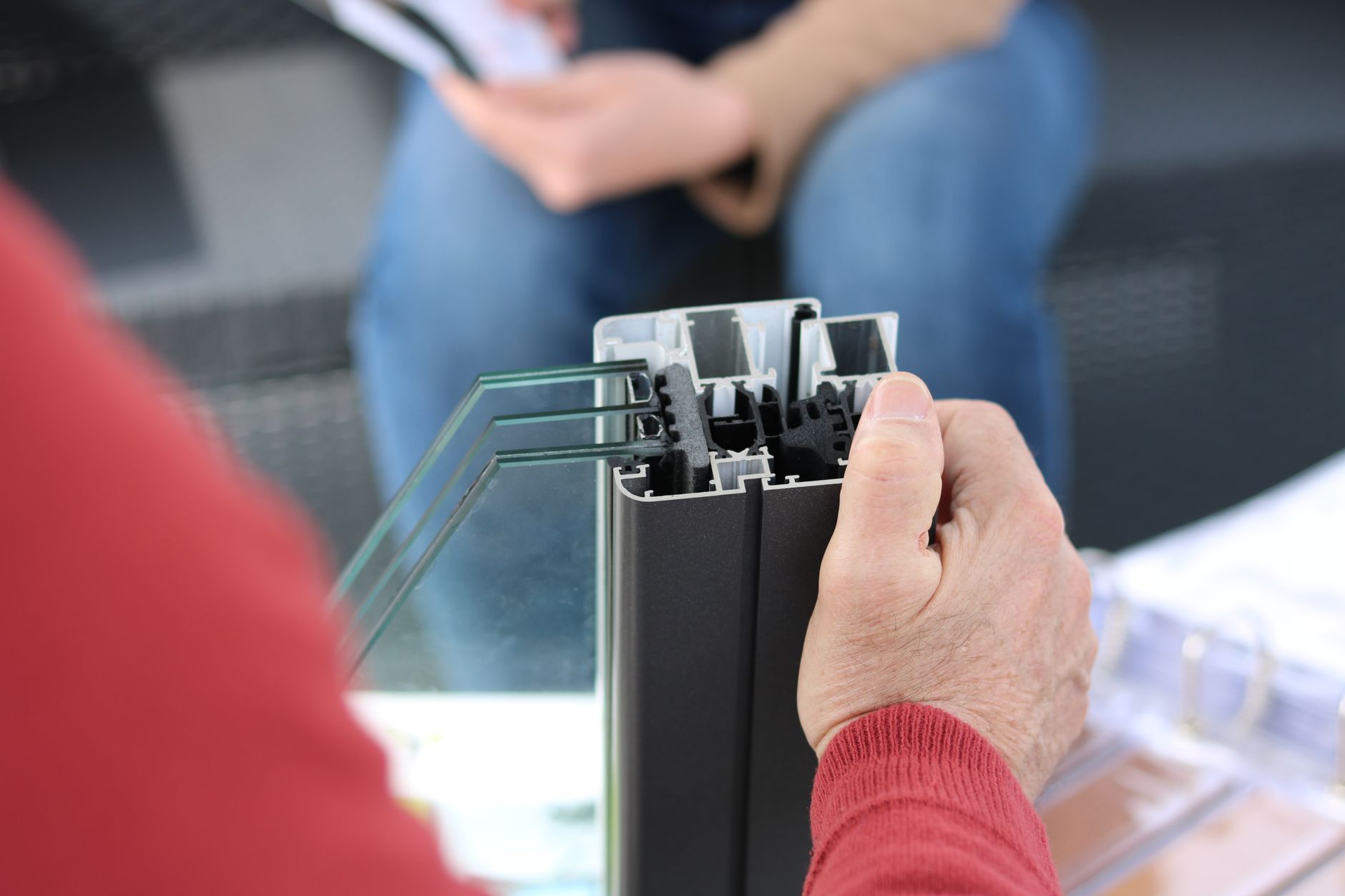
Installing double glazing in London is one of the most effective structural upgrades a homeowner can undertake to reduce heat loss, block urban acoustic pollution, and lower annual heating expenditures. For a standard London terraced or semi-detached property, full installation costs typically range between £4,000 and £12,000, depending heavily on frame materials, architectural constraints, and the number of openings being replaced.
Because London features a unique mix of Victorian, Edwardian, mid-century, and modern housing stock, glazing projects often require bespoke solutions. This guide details realistic costs across boroughs, evaluates thermal performance standards, outlines UK compliance frameworks, and highlights available funding schemes.
Average Cost of Double Glazing in London
Glazing prices across Greater London reflect both elevated regional labour rates and logistical factors such as parking permits, congestion zones, and access constraints. While standard uPVC casement windows remain the most budget-conscious selection, heritage properties often necessitate timber sash replacements to adhere to local architectural character.
| Window Style & Material | Average Unit Cost (inc. VAT & Installation) | Typical Whole-Home Cost (8 Windows) | Expected Lifespan |
|---|---|---|---|
| uPVC Casement | £500 – £950 | £4,000 – £7,600 | 20–25 Years |
| uPVC Sliding Sash | £850 – £1,400 | £6,800 – £11,200 | 20–25 Years |
| Aluminium Casement | £900 – £1,650 | £7,200 – £13,200 | 35–45 Years |
| Engineered Timber Casement | £1,400 – £2,400 | £11,200 – £19,200 | 50+ Years (with maintenance) |
| Hardwood Box Sash (Heritage) | £1,800 – £3,100 | £14,400 – £24,800 | 50+ Years (with maintenance) |
| Secondary Glazing (Retrofit) | £350 – £750 | £2,800 – £6,000 | 20–30 Years |
When assessing quotations, distinguish between complete replacements and minor repairs. For instance, replacing only blown sealed double-glazed units (where condensation has accumulated between panes) into structurally sound existing frames usually costs between £100 and £220 per pane, preserving the surrounding joinery.
Energy Savings and Long-Term Thermal ROI
Heating energy in poorly insulated London homes escapes predominantly through uninsulated external walls and single-pane glazing. The Energy Saving Trust estimates that upgrading an entirely single-glazed, gas-heated semi-detached home to modern A-rated double glazing can yield annual fuel bill reductions of £135 to £235, depending on current utility tariffs and household consumption patterns.
Over a 20-year window lifecycle, cumulative utility bill savings can reach £3,000 to £5,000. Beyond direct fuel savings, upgrading window performance provides measurable indirect returns:
- EPC Rating Uplift: Moving a property from an EPC band E or D to a C can enhance market value and ensure compliance with Minimum Energy Efficiency Standards (MEES) for rental portfolios.
- Acoustic Insulation: Specialized acoustic laminated double glazing dampens traffic noise from major London transit corridors by up to 35–40 decibels.
- Condensation Mitigation: Eliminating cold interior glass surfaces prevents moisture buildup and secondary mould formation along reveals and sills.
Double glazing can save £3,000+ over 20 years.
Key Technical Specifications Influencing Price
Not all double glazing delivers equivalent thermal or security performance. Understanding core technical specifications ensures balanced investment decisions tailored to local architectural and environmental conditions.
U-Values and Window Energy Ratings (WER)
Under Approved Document L of the UK Building Regulations, replacement windows in existing domestic buildings must achieve a minimum whole-unit U-value of 1.4 W/m²K, or an Energy Rating of band B or higher. Higher-specification windows utilizing warm-edge spacer bars and low-emissivity (Low-E) coatings achieve U-values as low as 1.1 to 1.2 W/m²K, minimizing conductive heat transfer.
Gas Fills and Glass Types
Standard double-glazed units feature a 16mm cavity filled with dry air. Higher-efficiency units incorporate argon, krypton, or xenon inert gas fills, which significantly restrict convective heat movement across the thermal break. Toughened safety glass is legally mandated for installations below 800mm from floor level or adjacent to external doorways.
London Borough Planning Regulations and Conservation Areas
Permitted development rights govern standard window replacements across the UK, allowing homeowners to replace existing units without formal planning applications, provided the appearance remains broadly comparable. However, London presents distinct planning hurdles that directly influence project budgets:
- Article 4 Directions: Many boroughs (such as Islington, Kensington & Chelsea, Camden, and Richmond upon Thames) have enacted Article 4 Directions removing permitted development rights in designated conservation zones. Homeowners are frequently prohibited from replacing historic timber sashes with modern uPVC profiles.
- Listed Buildings: Grade I, Grade II*, and Grade II listed homes require formal Listed Building Consent. Standard double glazing is frequently refused; homeowners must instead consider ultra-slim heritage double glazing or discreet secondary glazing.
- Acoustic and Fire Safety Provisions: Flats in multi-storey blocks must adhere to stringent external wall fire safety regulations (Approved Document B) and trickle ventilation mandates (Approved Document F) to ensure continuous background indoor air quality.
UK Grants and Financial Assistance Schemes
Homeowners facing significant installation costs can review several government-backed initiatives designed to accelerate residential decarbonisation:
The Energy Company Obligation (ECO4)
Running through March 2026, the ECO4 scheme requires major energy suppliers to fund energy efficiency measures for low-income and vulnerable households. Eligible homeowners or private tenants receiving qualifying means-tested benefits may receive partially or fully funded window upgrades, particularly when replacing inefficient single glazing.
The Warm Homes: Local Grant (formerly HUG2)
Targeted at homes without mains gas heating holding an EPC rating of D through G, the Warm Homes initiative distributes funding via participating London local authorities. Eligible low-to-middle income households can access capital grants covering extensive fabric improvements, including high-performance glazing.
Energy Efficiency VAT Exemptions
While standard domestic double glazing installations attract the standard 20% VAT rate, certain ancillary thermal insulation works carried out alongside qualifying renewable energy installations may qualify for 0% VAT relief under current HM Revenue & Customs guidelines.
Professional Certification vs. Self-Certification
Compliance with UK building regulations is legally compulsory when replacing external windows. Homeowners have two administrative paths to secure certification:
- Competent Person Schemes (FENSA / CERTASS): Registered installers can self-certify that installations comply with Approved Documents L, F, K, and B. Upon completion, the installer logs the work with the local authority, and the homeowner receives a building regulations compliance certificate within a few weeks.
- Local Authority Building Control (LABC): If you choose an unregistered independent tradesperson or undertake aspects of the work yourself, an application must be deposited with your borough council's Building Control department prior to installation. A fee (typically £180 to £350 depending on the borough) is charged for an inspector to visit the property and sign off the work.
Retaining your FENSA or CERTASS certificate is essential; failing to produce this documentation can significantly delay property conveyancing during a future sale.
Practical Guidance for Sourcing London Contractors
To ensure balanced quotes and quality workmanship, consider the following advisory practices when organizing window replacements:
- Obtain Three Itemized Quotes: Ensure each estimate clearly delineates material specifications, glass U-values, scaffolding charges, parking access allocations, and old frame disposal.
- Verify Guarantee Protection: Professional installers should offer an Insurance-Backed Guarantee (IBG) alongside their standard 10-year company workmanship warranty, safeguarding the installation should the firm cease trading.
- Check Trickle Vent Specifications: Under revised ventilation rules, new window installations must incorporate trickle vents unless an approved mechanical ventilation system is already installed.
By balancing thermal criteria, local planning permissions, and installer accreditations, London property owners can secure reliable double glazing installations that maximize long-term energy savings while protecting their property's architectural integrity.
Planning a window replacement or thermal retrofit? Homeowners may benefit from consulting qualified conservation officers or certified glazing specialists to review property constraints before committing capital.


