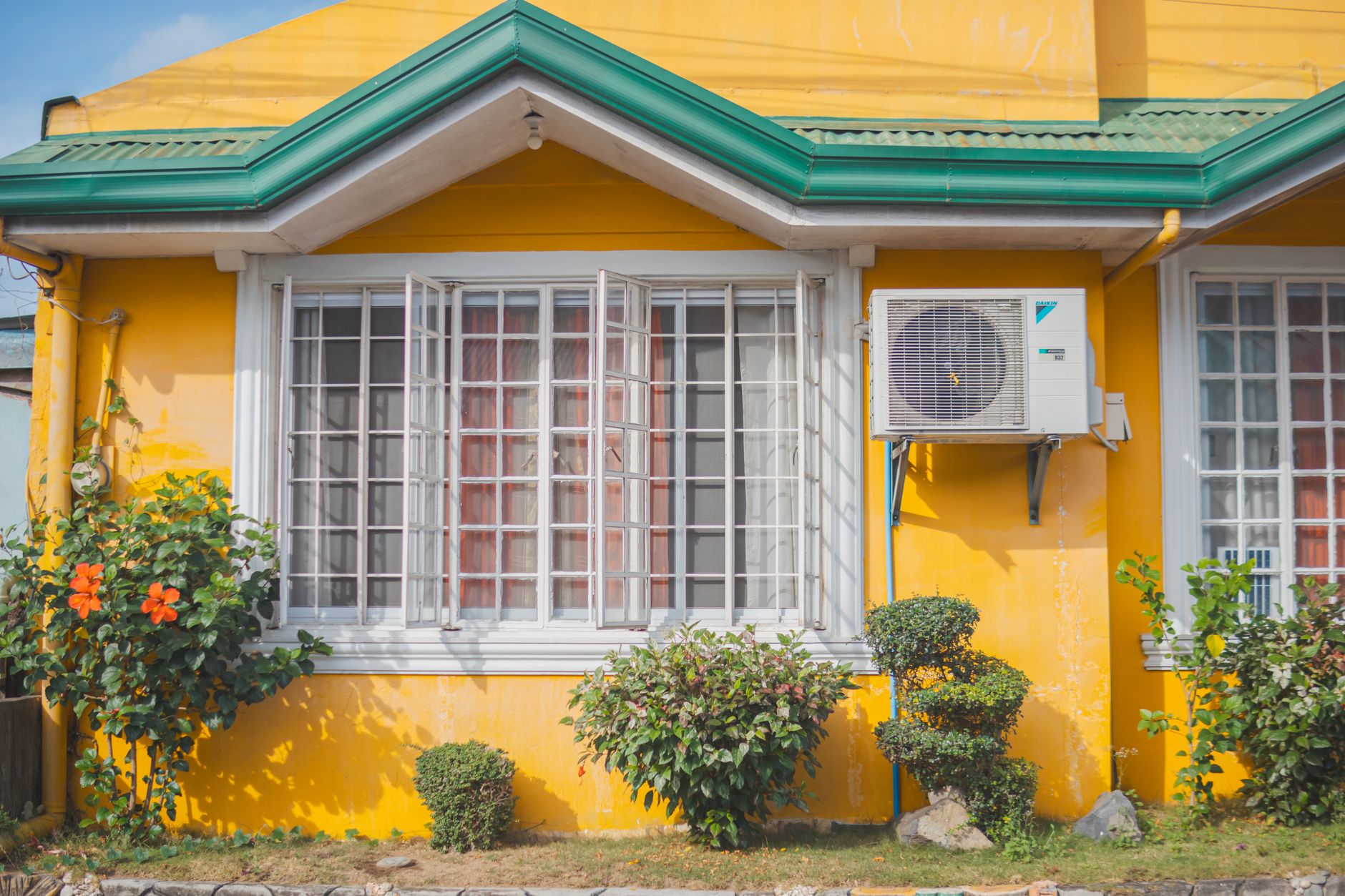
With inflation reaching 3.7% ahead of recent midterm elections, household budgets face increasing pressure. This challenging environment presents a distinct opportunity for homeowners to make strategic investments in their properties. Focusing on energy-efficient upgrades and property durability can mitigate rising costs, preserve long-term value, and enhance operational efficiency.
Home improvements that reduce energy consumption and bolster structural integrity offer tangible benefits that often outweigh initial expenses. By strategically upgrading elements such as insulation, windows, and roofing systems, homeowners can realize substantial savings on utility bills and protect their assets against climate-related stressors and general wear over time.
The Dual Advantage: Savings and Resilience
Investing in your home's energy efficiency means proactively addressing future expenses. Studies consistently demonstrate that proper insulation alone can reduce heating and cooling costs by 15-30%. This directly translates into lower monthly bills, providing a buffer against fluctuating energy prices and economic uncertainty.
Beyond immediate savings, these upgrades contribute significantly to a property's durability. A well-maintained and energy-efficient home is more resilient to extreme weather, requires less frequent maintenance, and retains its value more effectively. This dual focus on operational savings and structural protection ensures a healthier, more comfortable living environment for years to come.
Key Energy-Efficient Upgrades and Their Impact
Advanced Insulation Solutions
Insulation is fundamental to maintaining a stable indoor climate and preventing energy loss. Upgrading outdated or insufficient insulation in attics, walls, and crawl spaces prevents heat transfer, ensuring your heating and cooling systems operate more efficiently. Materials like spray foam, cellulose, and rigid foam boards offer superior R-values, providing a tighter thermal envelope.
Strategic insulation improvements can lead to noticeable comfort improvements, eliminating drafts and cold spots. They also contribute to better indoor air quality by reducing moisture infiltration and preventing mold growth. This foundational upgrade provides one of the most cost-effective returns on investment for energy savings.
Curious about the best insulation types for your climate and home structure? Learn more about modern insulation techniques.
High-Performance Windows and Doors
Windows and doors are often significant culprits for energy loss in older homes. Modern, energy-efficient replacements feature multi-pane glazing, low-emissivity (low-E) coatings, and insulated frames filled with inert gases like argon or krypton. These technologies significantly improve thermal performance, reducing heat gain in summer and heat loss in winter.
The benefits extend beyond energy savings, enhancing soundproofing and increasing curb appeal. High-performance windows can also protect interior furnishings from harmful UV rays, preventing fading. Choosing ENERGY STAR certified products ensures adherence to rigorous efficiency standards, confirming their long-term value.
Thinking about upgrading to windows that offer superior thermal performance? Discover options for energy-efficient windows and doors.
Modernized Roofing Systems
An aging or inefficient roof can lead to substantial energy waste and structural issues. Upgrading to a modernized roofing system, such as cool roofs or metal roofing, can dramatically improve your home's thermal profile. Cool roofs, with their reflective surfaces, reduce heat absorption, lowering attic temperatures and decreasing the load on air conditioning systems.
Beyond energy benefits, a new roof enhances overall property durability, protecting against leaks, wind damage, and other weather-related wear. Modern roofing materials often come with extended warranties and can significantly increase your home's structural integrity and aesthetic appeal, directly contributing to property value.
Solar Panel Installation
For homeowners looking to significantly reduce or eliminate their electricity bills, solar panel installation offers a powerful solution. Tapping into renewable energy not only provides long-term energy independence but also locks in energy costs, protecting against future utility rate hikes. The environmental benefits of reducing carbon footprint are an added advantage, aligning with growing consumer preferences for sustainability.
While the initial investment for solar panels can be substantial, various federal and local incentives, such as the Investment Tax Credit (ITC) under the Inflation Reduction Act, can significantly offset these costs, making solar a financially attractive long-term investment. Furthermore, homeowners in many states benefit from net metering programs, which allow them to sell surplus electricity generated during peak production hours back to the utility provider. This mechanism helps offset future power consumption, ensuring that even days with low generation contribute to overall household savings and grid stability. Proper site assessment regarding roof orientation and shading is critical to maximizing these returns throughout the panel's operational life.
Enhancing Property Value and Resilience
Energy-efficient and durable home improvements are not just about cost savings; they are also about increasing the intrinsic and market value of your property. Homes with modern, efficient systems are more attractive to potential buyers, commanding higher resale values and selling faster. Certifications like ENERGY STAR or LEED can further distinguish your property in the market.
Furthermore, these upgrades bolster your home's resilience against environmental factors. Robust roofing, sealed windows, and comprehensive insulation act as a protective shield, extending the lifespan of structural elements and reducing the likelihood of costly repairs due to water intrusion, extreme temperatures, or high winds. This proactive approach safeguards your investment against climate-related stressors.
Navigating the Financial Landscape: Incentives and ROI
Despite immediate budget constraints, the long-term financial case for energy-efficient upgrades is compelling. The return on investment (ROI) often surpasses the initial expense, especially when factoring in reduced utility bills, increased property value, and available financial incentives. Federal programs, such as the Inflation Reduction Act, offer significant tax credits for residential solar installations, heat pumps, insulation, and energy-efficient windows.
Many local jurisdictions and utility companies also provide rebates and low-interest loan programs for specific home energy improvements. Researching these opportunities can significantly reduce upfront costs, making these essential upgrades more accessible. Prioritizing investments that qualify for such incentives can maximize financial benefits and accelerate your ROI.
Here's a comparative overview of potential savings from various home efficiency upgrades:
| Upgrade Type | Average Cost Range | Estimated Annual Savings | Typical ROI Period |
|---|---|---|---|
| Attic Insulation | $1,500 - $3,500 | $200 - $400 | 3 - 8 years |
| Energy-Efficient Windows (Full Home) | $10,000 - $30,000 | $125 - $450 | 10 - 20 years |
| HVAC System Upgrade | $5,000 - $12,000 | $300 - $600 | 8 - 15 years |
| Solar Panel Installation (Standard Size) | $15,000 - $25,000 | $800 - $2,000+ | 8 - 12 years (with incentives) |
| Cool Roof Installation | $8,000 - $20,000 | $100 - $300 | 15 - 25 years |
Note: Costs and savings are estimates and can vary widely based on location, home size, material choices, and existing conditions.
Assessing Long-Term Energy Savings and Lifecycle Costs
When investing in home upgrades, initial installation costs are only part of the equation. Homeowners must weigh upfront expenses against long-term utility bill reductions, thermal performance gains, and potential property value increases. Performing a full lifecycle cost analysis allows you to evaluate how each material or appliance performs over its intended lifespan rather than judging it solely on its initial purchase price.
For instance, standard high-efficiency heat pumps often cost more up front than conventional furnace units, but their dual ability to handle both heating and cooling at 3 to 4 times the thermal efficiency of baseboard systems generates substantial cumulative returns. Specifically, high-efficiency variable speed compressors adjust output to match thermal demand precisely, preventing excessive cycling wear common in older fixed-ratio systems. Factoring in equipment longevity, reduced repair calls, and lower operating stress clarifies the financial rationale. Regionally, models rated for extreme cold temperatures ensure optimal performance where traditional furnaces fail, whereas high-SHUF (Seasonal Heating Efficiency Factor) units maintain viability through severe winters. Over a 10- to 15-year horizon, the lower recurring operating expenditures regularly surpass the differential capital expenditure, turning home performance into an active financial hedge against inflationary utility rates.
Additionally, modern appraisal practices increasingly acknowledge green building certifications and high-efficiency mechanical records. Documenting your energy improvements creates a tangible paper trail that appraisers can use to validate above-average market valuation when the time comes to sell or refinance your home.
Proactive Planning in Uncertain Times
Adopting a proactive stance on home improvements is a sound strategy for navigating economic uncertainty. Start with a comprehensive home energy assessment to identify the most impactful areas for upgrades. This objective evaluation can pinpoint specific inefficiencies and prioritize projects that offer the greatest return in terms of energy savings and durability.
Climate specificity plays a crucial role in determining which technologies yield the highest resilience. For instance, regions prone to high humidity require moisture-barrier strategies within insulation layers to prevent mold degradation, while cooler, windy zones prioritize wind-resistant roofing attachments. Tailoring upgrades to your specific geographic exposure ensures that resources aren't wasted on features unnecessary for local weather patterns, thereby optimizing both comfort and cost-effectiveness.
Consider a phased approach, addressing critical areas first and building upon initial improvements over time. This allows homeowners to manage budgets effectively while steadily enhancing their property's performance and value. Making informed decisions now positions your home to thrive in future economic conditions, ensuring long-term comfort and security.
Considering a comprehensive review of your home's energy performance? Explore the benefits of a professional home energy audit.
By prioritizing energy conservation and structural integrity, property owners can significantly enhance comfort, extend system lifespans, and protect their investments against both economic fluctuations and climate-related stressors. These strategic upgrades are not just expenses; they are critical investments in the future of your home.
Considering strategic home upgrades to enhance efficiency and durability? Consult with a certified professional team to objectively assess your property's unique needs and develop a tailored roadmap for implementation.


