Current economic and environmental pressures are redefining how homeowners evaluate property improvements. Wildfire activity in vulnerable areas like Orange County, California, highlights the immediate necessity of exterior fire-hardening. At the same time, inflation running at 3.7% and persistent diesel price volatility are driving up everyday household operational costs. These compounding factors mean short-term cosmetic fixes no longer offer adequate financial or physical protection.
Instead, property owners are turning toward integrated upgrades that address structural durability and utility consumption simultaneously. Investing in building envelope integrity—including fire-resistant roofing, airtight insulation, and high-performance windows—lowers recurring utility bills while shielding homes against environmental hazards. When paired with distributed solar generation, these upgrades convert volatile utility expenses into predictable, long-term operational savings.
The Dual Pressures: Climate Risk and Energy Volatility
Wildfire preparedness is no longer restricted to remote rural communities. Recent evacuation orders across residential pockets in California demonstrate that ember storms and heat exposure threaten suburban subdivisions as well. Standard asphalt shingles, exposed attic ventilation openings, and single-pane windows can fail rapidly under radiant heat, creating vulnerability points where embers enter the home structure.
Simultaneously, energy markets present immediate financial challenges. Rural and semi-rural households relying on diesel, heating oil, or delivered propane have seen thermal operating costs climb dramatically. Unlike regulated grid electricity or municipal natural gas, delivered liquid fuels reflect wholesale market spikes immediately. Homeowners facing higher heating expenditures during colder months find their household budgets stretched by continuous fuel deliveries.
Read our in-depth guide on improving thermal efficiency with advanced insulation to reduce heating fuel consumption.
The convergence of physical vulnerability and unpredictable fuel costs calls for a systemic home performance plan. Protecting structural integrity while lowering thermal demand allows homeowners to preserve capital, improve safety, and stabilize monthly living costs.
Reinforcing the Envelope: Fire Resistance and Thermal Performance
The exterior envelope acts as both thermal boundary and protective shield. Achieving resilience requires examining where building materials fail under environmental and thermal stress. Upgrading specific building components simultaneously addresses safety and energy efficiency.
Class A Fire-Rated Roofing Systems
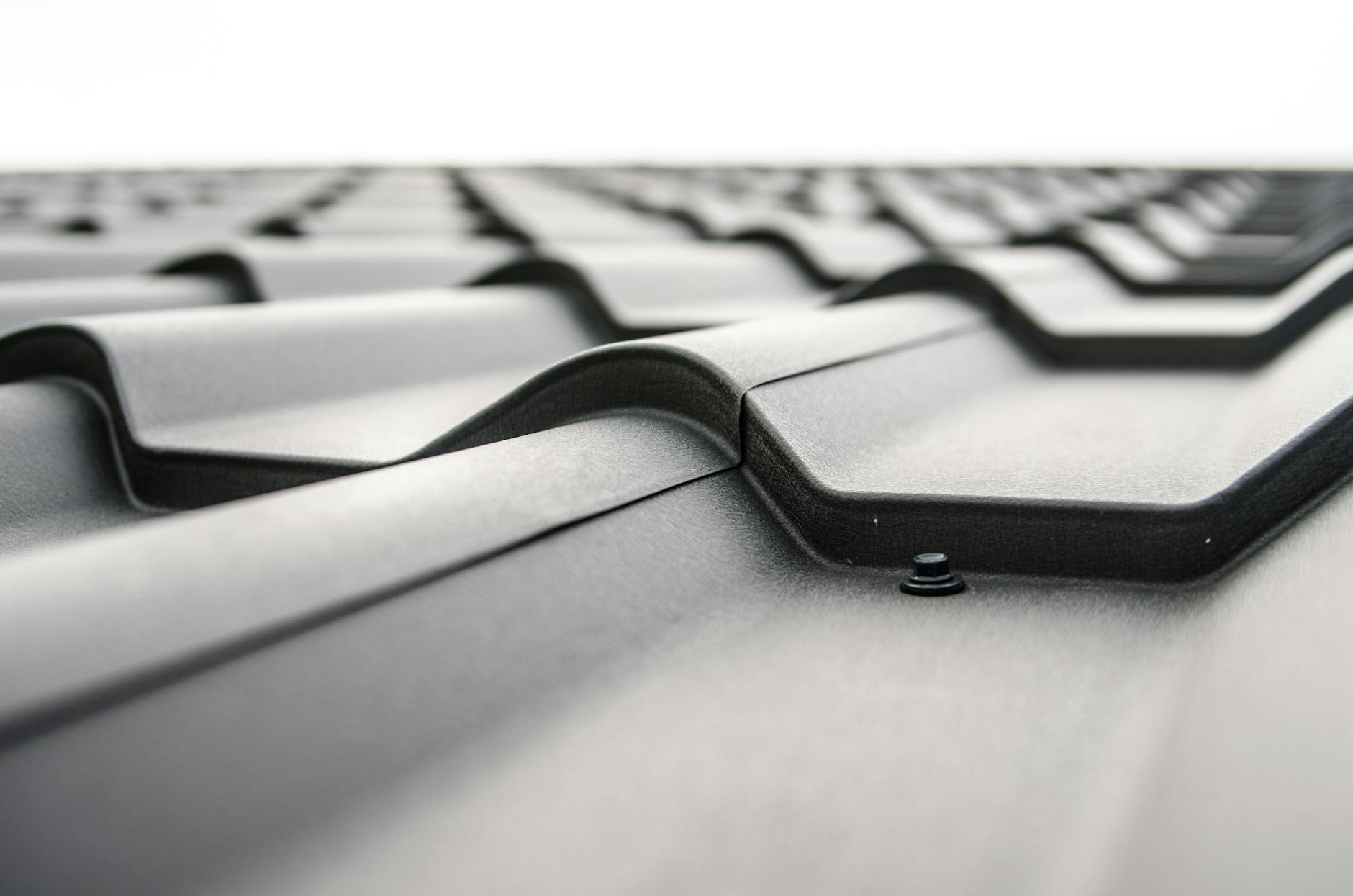
Roofs represent the largest horizontal surface vulnerable to windborne embers and thermal radiation. Replacing older architectural shingles or wood shakes with Class A fire-rated materials—such as metal standing seam, concrete tile, or specially rated composite shingles—drastically reduces ignition risks. Modern cool-roof systems also incorporate reflective granules or coatings that bounce solar radiation away, reducing attic heat buildup by up to 50 degrees Fahrenheit during peak summer months.
High-Performance Glazing and Secure Openings
Windows are often the first structural element to fail during an external fire event. Intense radiant heat can shatter standard single-pane glass in under five minutes, allowing embers to ignite curtains and interior framing. Multi-pane windows featuring tempered exterior glass offer significant structural resistance to heat fracture while delivering low U-factors and Solar Heat Gain Coefficients (SHGC). This keeps conditioned air inside during extreme seasons and prevents radiant heat transfer.
Continuous Insulation and Airtight Sealing
Traditional homes lose up to 30% of their heating and cooling energy through envelope air leakage. Sealing wall cavities, attics, and rim joists with dense-pack cellulose or closed-cell spray foam stops draft cycles and prevents ember intrusion through unbaffled vents. High R-value insulation dampens interior temperature swings, meaning mechanical heating systems run less frequently and consume less expensive fuel.
Learn more about how energy-efficient windows and glazed openings protect against heat transfer and external hazards.
Long-Term Economic Value and Return on Investment
With broader consumer inflation sitting around 3.7%, deferred home maintenance carries compound financial penalties. Postponing envelope upgrades exposes owners to escalating material prices, higher labor costs, and ongoing energy waste. In contrast, capital deployed into efficiency improvements generates immediate tax-free returns through lowered utility expenditures.
The table below summarizes common resilience and efficiency upgrades, outlining their functional benefits, thermal impacts, and typical performance lifespans.
| Upgrade Category | Resilience Benefit | Energy Efficiency Impact | Expected Lifespan |
|---|---|---|---|
| Class A Metal or Composite Roofing | Maximum ember and radiant heat resistance | Reduces attic cooling loads by up to 25% | 40 to 70 years |
| Dual-Pane Low-E Tempered Windows | Resists thermal shock and glass blowout | Lowers solar heat gain and thermal conductivity | 20 to 30 years |
| High-Density Attic Insulation & Sealing | Blocks windborne ember entry pathways | Cuts heating and cooling consumption by 15-25% | 25 to 50 years |
| Rooftop Solar & Battery Storage | Provides emergency backup during grid outages | Offsets grid power and eliminates fuel dependence | 25 to 30 years |
A comprehensive retrofit also provides indirect financial returns. Insurance carriers increasingly factor wildland-urban interface (WUI) compliance into policy pricing and underwriting availability. Properties that feature Class A roofs, non-combustible defensible zones, and sealed soffits retain insurability and appraisal strength in markets where older, unprotected homes face policy cancellations or steep premium increases.
Renewable Energy Integration as an Inflation Hedge
For rural property owners impacted by volatile diesel or propane heating costs, installing rooftop solar photovoltaic systems paired with high-efficiency heat pumps provides an effective alternative. Modern cold-climate air-source heat pumps operate efficiently down to sub-zero temperatures, delivering up to three units of heat energy for every unit of electricity consumed.
By powering heat pump technology with on-site solar generation, homeowners detach their heating budgets from commodity fuel fluctuations. A photovoltaic system locks in a levelized cost of energy for 25 years or more, effectively insulating household finances from inflation spikes. Excess generation stored in lithium-iron-phosphate (LFP) home batteries also offers critical backup power during utility safety power shutoffs (PSPS), which utilities often execute during high-wind wildfire conditions.
Navigating Incentives and Strategic Planning
Federal, state, and regional policy frameworks continue to lower the net capital expense of building upgrades. The Inflation Reduction Act provides substantial credits, including Section 25C Energy Efficient Home Improvement Credits covering up to 30% of the cost for qualified heat pumps, insulation, and electrical panel upgrades. Furthermore, Section 25D delivers an uncapped 30% residential clean energy credit for solar PV and battery storage systems through 2032.
State-level initiatives frequently supplement these federal programs with local utility rebates, low-interest property assessed clean energy (PACE) financing, or grants targeting wildfire hardening. Combining these mechanisms substantially reduces upfront expenditures and accelerates the payback period of major home improvements.
Explore our breakdown of comprehensive home energy audits to identify the highest-priority upgrades for your property.
Achieving optimal results requires looking at the home as an interconnected system. Installing a new heating system before sealing the attic leads to oversized equipment and wasted capacity. Conversely, upgrading insulation without verifying ventilation safety can compromise indoor air quality or ember protection. A methodical assessment establishes the proper sequence of improvements, guaranteeing every dollar invested supports safety, durability, and operational savings.
Planning a home modernization project? Get in touch with ProNestCX to help you review your choices and plan the right approach.
Assessing Long-Term Energy Savings
When investing in home upgrades, initial installation costs are only part of the equation. Homeowners must weigh upfront expenses against long-term utility bill reductions, thermal performance gains, and potential property value increases.
Material Quality and Durability Standards
Choosing high-performance materials—such as energy-efficient window glazing, advanced insulation fibers, or weather-resistant roofing—ensures structural longevity and minimizes ongoing maintenance overhead.
Assessing Professional Installation vs. DIY
While minor cosmetic updates can be handled independently, major efficiency retrofits require specialized expertise. Professional installation ensures compliance with local building codes and protects manufacturer warranties.