U.S. inflation recently climbed to 3.7%, creating a challenging environment for homeowners considering property upgrades. Rising material and labor costs directly impact renovation budgets, while new pricing models, including AI-assisted tools, contribute to consumer apprehension about project expenses. Despite these short-term financial pressures, a strategic approach to home improvements, particularly those focused on energy efficiency, can yield significant long-term savings and enhance property value.
Policy shifts, such as the Energy Secretary's defense of a waiver for Russian energy exports, underscore a broader national push toward domestic energy production. This focus may bolster existing incentives for renewable energy installations and energy-efficiency retrofits, presenting opportunities for homeowners to invest wisely.
Understanding the Current Economic Climate for Home Upgrades
The current economic landscape requires homeowners to approach renovation projects with careful planning and an understanding of key financial factors. Inflation at 3.7% means that the cost of materials like lumber, metals, and specialized components for solar panels or windows continues to trend upwards. Similarly, skilled labor for installations and complex projects demands higher wages, further impacting overall project costs.
Consumer apprehension regarding pricing is also a notable factor. As U.S. retailers adopt AI-assisted pricing tools, homeowners face uncertainty in budgeting for large projects, making transparent and stable pricing models more crucial than ever. This climate emphasizes the importance of securing detailed quotes and understanding all potential costs upfront.
On the policy front, the broader shift towards domestic energy production is a significant development. While specific new incentives are always evolving, the strategic national emphasis on energy independence often translates into robust support for residential renewable energy and efficiency programs. Homeowners should remain informed about federal, state, and local initiatives that can offset the initial investment in energy-saving upgrades.
Considering energy-efficient windows for your home? Explore advanced glazing options that meet federal efficiency standards.
Strategic Planning for Long-Term Savings
Navigating the current economic environment requires a focus on upgrades that offer a strong return on investment (ROI) and future-proof a property against ongoing cost fluctuations. Prioritizing projects that reduce recurring utility expenses is often the most effective strategy.
Prioritizing High-Impact Upgrades
Not all home improvements offer the same economic benefits. Upgrades directly impacting energy consumption, such as solar panel installations, high-performance insulation, and energy-efficient windows, typically provide the most substantial long-term savings. These projects reduce reliance on fluctuating energy prices and contribute to a more stable household budget.
Leveraging Available Incentives
Federal tax credits for solar installations (like the Investment Tax Credit, ITC) and certain energy-efficient home improvements (such as specific windows and insulation) remain key financial aids. Homeowners should verify the specific efficiency standards required for qualifying equipment. Beyond federal programs, numerous state and local rebates, often through utility companies or municipal programs, can further reduce out-of-pocket expenses. Proactive research into these incentives is crucial before beginning any project.
Selecting Durable and Efficient Materials
Choosing durable, high-quality materials extends the lifespan of an upgrade, reducing future maintenance and replacement costs. For instance, selecting roofing materials with superior insulating properties or windows with advanced glazing can lead to significant energy savings over decades. While the initial investment might be higher, the long-term benefits in reduced utility bills and extended product life typically outweigh the upfront cost.
Key Energy-Efficient Upgrades and Their Benefits
Investing in specific energy-efficient upgrades can significantly mitigate the impact of inflation by reducing operational costs and enhancing property value.
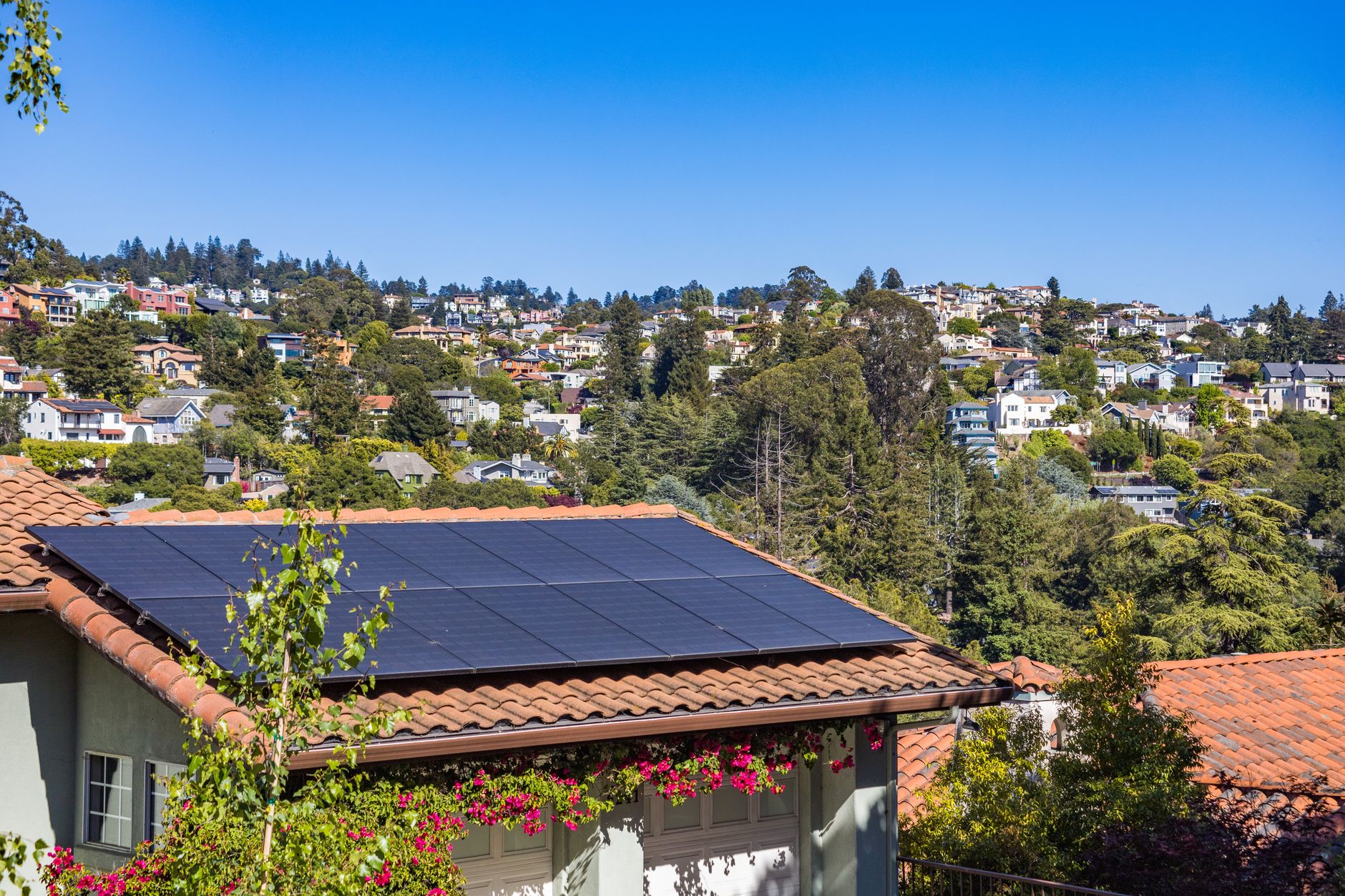
- Solar Installations: Solar panels offer a pathway to energy independence, allowing homeowners to generate their own electricity and drastically reduce or even eliminate monthly utility bills. The federal solar tax credit can offset a substantial portion of the installation cost, making it a compelling long-term investment against rising electricity rates.
- Insulation Upgrades: Enhancing attic, wall, or floor insulation is one of the most cost-effective ways to improve a home's thermal envelope. Proper insulation prevents heat loss in winter and heat gain in summer, leading to lower heating and cooling costs. Upgrades like spray foam or blown-in cellulose can provide superior thermal performance compared to older, less efficient materials.
- Energy-Efficient Windows and Doors: Older windows and doors are often significant sources of heat loss and drafts. Replacing them with modern, energy-efficient models featuring double or triple-pane glass, low-emissivity (Low-E) coatings, and insulated frames can dramatically improve a home's thermal performance. These upgrades not only reduce energy consumption but also enhance indoor comfort and reduce external noise.
- Modernized Roofing: Beyond protecting the home from the elements, a new roof can contribute to energy efficiency. Options like cool roofs or those with integrated solar readiness can reduce attic temperatures and prolong the life of HVAC systems, contributing to overall energy savings.
Unsure about the best insulation upgrade for your home? Consult with our experts on various thermal performance options.
Navigating Incentives and Regulatory Requirements
Successfully capitalizing on energy-efficiency upgrades involves a clear understanding of the financial incentives and regulatory landscape.
Federal Tax Credits and Rebates
The federal government continues to offer tax credits designed to encourage energy-efficient home improvements. For instance, the Residential Clean Energy Credit (often referred to as the federal solar tax credit) provides a credit for a percentage of the cost of new, qualified clean energy property for your home, including solar electricity generation. For other energy-efficient home improvements, such as windows, specific standards must be met, often related to U-factor and Solar Heat Gain Coefficient (SHGC) ratings.
Local Programs and Utility Rebates
Many states, cities, and local utility companies offer their own rebates or incentive programs for energy efficiency. These can range from direct rebates for installing new HVAC systems or insulation to low-interest loans for home energy upgrades. Eligibility criteria vary widely, so homeowners should consult their local energy providers and municipal offices. These programs often align with the broader push for domestic energy production by promoting local energy conservation.
Permits and Building Codes
Before starting any major renovation, especially those involving structural changes, electrical work, or significant energy system upgrades, it is essential to verify local building permits and adhere to municipality-specific codes. As energy policy shifts, local regulations may also evolve, impacting what projects are feasible or how they must be executed.
| Upgrade Type | Primary Benefit | Potential Savings Impact | Key Incentive Example |
|---|---|---|---|
| Solar Installation | Reduced electricity bills | 50-100% reduction in electricity costs | Federal Solar Tax Credit (ITC) |
| Attic Insulation | Improved thermal comfort | 10-20% decrease in heating/cooling costs | Local utility rebates |
| Energy-Efficient Windows | Minimized heat loss/gain | 7-15% reduction in heating/cooling needs | Federal Tax Credits (specific U-factor/SHGC) |
| High-Efficiency HVAC | Optimized climate control | 15-30% lower energy consumption | State/local rebates, manufacturer incentives |
| Modernized Roofing | Enhanced durability & efficiency | 5-15% reduction in cooling loads | Increased property value, potential insurance savings |
Budgeting and Project Execution Best Practices
Effective project management is crucial when undertaking home upgrades in an inflationary environment. Starting with a comprehensive plan can mitigate financial surprises and ensure the project aligns with long-term goals.
Comprehensive Planning and Quotes
Obtain multiple detailed quotes from reputable contractors. Ensure each quote clearly itemizes material costs, labor, and any associated fees. Understanding the scope of work and potential contingencies is essential. Don't hesitate to ask about material sourcing and any potential for price fluctuations during the project timeframe.
Consider a Phased Approach
For larger, more expensive projects, a phased approach can make budgeting more manageable. For example, a homeowner might prioritize insulation and window upgrades in one year to immediately impact energy bills, then tackle solar installation in a subsequent year, allowing time to save or access new financing options.
Verify Contractor Credentials and Warranties
Ensure contractors are licensed, insured, and have a strong track record. Thoroughly review all contracts, paying close attention to payment schedules, project timelines, and warranty details for both labor and materials. A strong warranty can provide peace of mind and protect your investment.
Exploring solar solutions for energy independence? Learn about the latest technologies and federal incentives.
Enhancing Property Value and Future-Proofing Your Home
Beyond immediate cost savings, energy-efficient upgrades significantly contribute to a property's long-term value and marketability. Homes with documented energy improvements often command higher resale prices, as prospective buyers are increasingly aware of the financial benefits of lower utility bills and a reduced environmental footprint.
Investing in quality materials and efficient systems ensures that your home is not only more comfortable and affordable to operate today but also resilient against future economic shifts. These strategic improvements position your property as a valuable asset, ready for whatever the future economic climate may bring.
Planning a home modernization project? Get in touch with ProNestCX to help you review your choices and plan the right approach.


