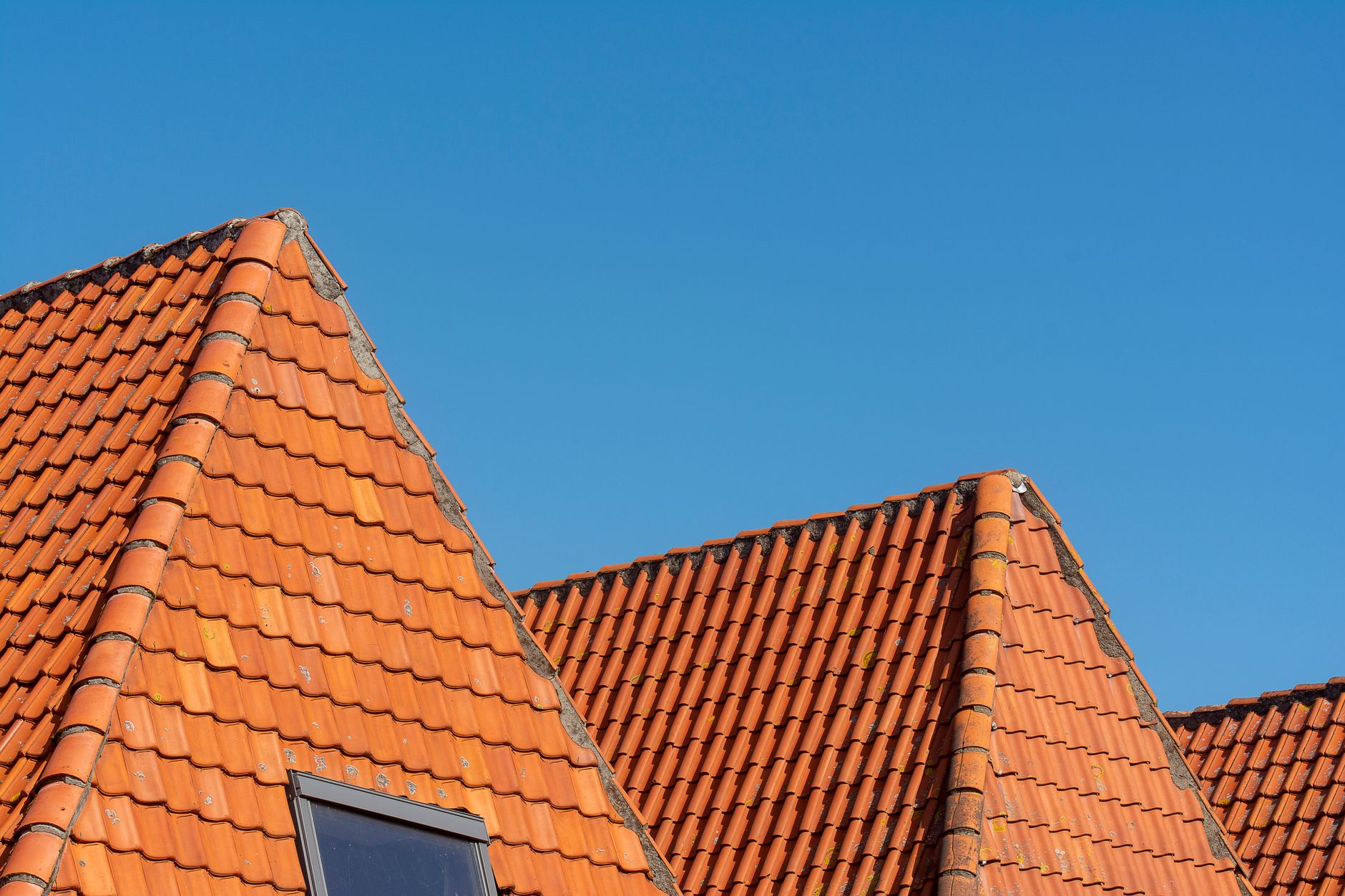
A roof is the first line of defense against wind, rain, heat, and snow. When it begins to fail, the cost to protect your home rises sharply.
Factors that Shape Roof Longevity
Three core factors determine how long a roof stays in good shape: the material used, the local climate, and how often it is maintained.
Roofing materials differ in durability, but all benefit from regular inspections and timely repairs. Weather extremes accelerate wear, while neglect can turn a minor issue into a major leak.
Homeowners often wonder how long a roof will last. The answer depends on the specific product and installation quality, but general ranges can guide expectations.
Average Lifespan by Material
| Material | Average Lifespan (Years) | Typical Cost per Sq Ft |
|---|---|---|
| Asphalt Shingles (3-tab) | 15–20 | $2–$4 |
| Asphalt Shingles (Architectural) | 20–30 | $3–$5 |
| Metal Roofing | 40–70 | $4–$8 |
| Clay or Concrete Tile | 30–50 | $7–$12 |
| Slate | 50–75 | $10–$15 |
| Wood Shake or Shingles | 25–35 | $4–$8 |
| Green Roof (vegetated) | 30–40 | $8–$15 |
The numbers above reflect typical service life in a moderate climate. In harsh environments, the lower end of each range is more realistic.
Signs It’s Time for a Roof Replacement
Early detection saves money. Watch for these indicators: missing or cracked tiles, sagging valleys, extensive granule loss, and persistent leaks that survive a few repairs.
Another warning is a roof older than 15 years for asphalt shingles or 25 years for wood shingles. After these ages, the probability of failure rises sharply.
Visible mold growth or roof deck rot also signals that the underlying structure is compromised. In such cases, replacement is safer than patchwork.
Repair vs. Replacement: Decision Factors
Minor issues—such as a few cracked shingles, a leaking flash, or a localized sag—can be fixed quickly and cheaply. These repairs keep the roof’s original integrity.
When damage spans more than a single area or the roof has reached the end of its expected life, replacement offers a long-term solution and can boost curb appeal.
Cost comparison matters. A full replacement of an asphalt roof may cost $5–$8 per square foot, while a repair might range $100–$200 per job. However, repeated repairs can exceed replacement costs over time.
Budgeting for Roof Projects
Price estimates vary by region, roof size, and material choice. A 2,000-sq-ft asphalt roof can range from $8,000 to $14,000 installed.
Higher-quality materials such as metal or slate add upfront cost but reduce maintenance and extend life, making them more economical over 30–40 years.
Include a contingency of 10–15% for unforeseen work like structural repairs or additional ventilation upgrades.
Choosing a Contractor Wisely
Verify licensing, insurance, and local reputation before hiring. Ask for detailed quotes that break down materials, labor, and disposal fees.
Request references and view past projects, especially those with similar roof types. A transparent contractor will provide a written warranty covering workmanship for at least 5 years.
Be cautious of “quick-fix” offers that ignore proper preparation. A proper roof job includes cleaning, removing damaged material, and installing new flashing before any covering.
Maintenance Tips to Extend Roof Life
Regular inspections—once in spring, again in fall—catch problems early. Look for missing shingles, clogged gutters, and debris buildup.
Clean gutters and downspouts every few months to prevent water pooling, which can damage the roof’s lower edge.
Trim overhanging branches to reduce wind damage and keep leaves from clogging drainage paths.
Environmental Impact of Roof Choice
Metal roofs reflect solar heat, lowering cooling costs. Cool roof coatings can extend the life of asphalt shingles by shielding them from UV rays.
Slate and tile roofs are natural materials with low embodied energy, but they are heavier and may require stronger framing.
Green roofs provide insulation and reduce stormwater runoff, but they demand proper waterproofing and maintenance to stay effective.
For more on roof material options, see our Roof Materials Overview.
Learn how proper ventilation can extend roof life in our Roof Ventilation Guide.
Final Thoughts
Understanding your roof’s material, age, and condition empowers you to make informed decisions. A well-timed replacement or targeted repair can protect your home and save money in the long run.
Planning a home modernization project? Consult with a professional to review your choices and plan the right approach.
Assessing Long-Term Energy Savings
When investing in home upgrades, initial installation costs are only part of the equation. Homeowners must weigh upfront expenses against long-term utility bill reductions, thermal performance gains, and potential property value increases.
Material Quality and Durability Standards
Choosing high-performance materials—such as energy-efficient window glazing, advanced insulation fibers, or weather-resistant roofing—ensures structural longevity and minimizes ongoing maintenance overhead.
Assessing Professional Installation vs. DIY
While minor cosmetic updates can be handled independently, major efficiency retrofits require specialized expertise. Professional installation ensures compliance with local building codes and protects manufacturer warranties.
Project Timelines and Weather Windows
Home improvement schedules vary based on project scope and seasonal conditions. Proper planning ensures that exterior renovations or weatherproofing initiatives are completed efficiently without disrupting daily routines.
Maximizing Rebates and Financing Incentives
Many regional and federal programs offer tax credits or rebates for energy-efficient home upgrades. Evaluating these financial incentives early can significantly offset total project costs.
Warranty Coverage and Quality Assurance
Reliable service providers back their installations with comprehensive workmanship guarantees and manufacturer warranties, giving homeowners long-term peace of mind.


