Winter months often bring a spike in heating bills, prompting homeowners to search for ways to stay comfortable without raising the thermostat. The most effective solutions start with the human body itself: trapping personal heat, sealing the building envelope, and adding low‑energy accessories. The following guide compiles evidence‑based tactics that are inexpensive, easy to implement, and compatible with Australian building codes when safe products are selected.
1. Dress for the Season – Wool and Layering
Textile scientist Dr. Cheryl Wilson explains that air‑trapping fibers such as wool create microscopic insulation pockets that retain body heat. Wool’s natural crimp holds up to 30 % more heat than cotton when dry, and it releases latent heat as it absorbs sweat. When wool is unavailable, brushed polyester (fleece) mimics these properties.
Practical layering steps:
- Base layer: moisture‑wicking silk or merino wool.
- Mid‑layer: a fleece or heavyweight sweater.
- Outer layer: wind‑proof coat or jacket.
- Extremities: a wool hat, insulated gloves, and thick socks can prevent up to 20 °C of heat loss at the head, hands, and feet.
Even in bed, wearing a light wool top and socks keeps the core temperature stable throughout the night, reducing the need for a higher thermostat setting.
2. Localized Electric Heating – Throws, Blankets, and Pads
Consumer‑group expert Chris Barnes and scientist Jenny Edwards note that electric blankets, heated throws, and heat pads consume only 0.05‑0.15 kW. A 0.1 kW blanket running eight hours uses 0.8 kWh, costing roughly $0.24 per day at $0.30/kWh (Australian rates). Compared with a 5 kW central furnace, the savings are substantial.
Safety checklist (AS/NZS 60335‑1):
- Never leave a blanket unattended while sleeping.
- Place blankets on non‑flammable surfaces.
- Inspect cords for damage before each use.
3. Bedding Strategies – Air‑Gap Insulation
Woollen quilts, down comforters, and flannelette sheets trap air and manage moisture. Dr. Wilson recommends a “loose‑tucking” technique: leave a small air gap between the quilt and the mattress to preserve insulating pockets. Layer from heaviest to lightest—wool quilt at the bottom, followed by a lighter down layer, then a breathable sheet.
4. Draft Sealing and Envelope Tightening
Air infiltration through windows, doors, and wall gaps accounts for 10‑20 % of heat loss. Simple DIY tests with a tissue or toilet paper can reveal drafts. Sealing with weather‑stripping, low‑VOC caulk, or door sweeps reduces infiltration by 5‑10 % and can save $100‑$200 annually.
5. Window Management – Passive Solar Gain
South‑facing windows receive free solar energy during daylight. Opening curtains in the morning captures heat, while closing them at night creates a thermal barrier. Adding a clear plastic film or bubble‑wrap creates an airtight layer that cuts convective loss by roughly 10‑15 %.
6. Ceiling‑Fan Reversal
Setting a ceiling fan to clockwise at low speed creates a gentle updraft that pushes warm air down along walls, improving perceived warmth without additional energy. The effect is most noticeable in rooms with high ceilings.
7. Rugs and Floor Insulation
Hard‑floor surfaces such as tile or hardwood conduct cold from the slab into the room. Placing area rugs—especially thick wool or shag styles—adds 0.5‑1.0 R value, improving perceived warmth by 1‑2 °F and reducing the need for higher thermostat settings.
8. Smart Thermostats and Scheduling
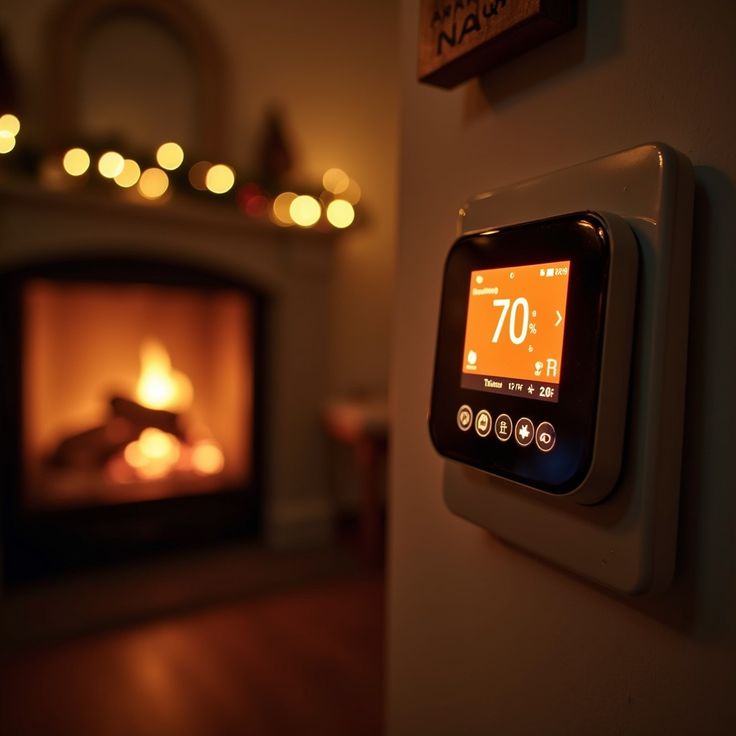
Programmable thermostats can setback temperatures by 2‑4 °F when the home is vacant, cutting furnace runtime by 10‑15 %. Occupancy sensors further refine heating periods, delivering up to $50‑$150 in annual savings for an average Australian household.
9. Energy‑Efficient Lighting and Appliances
While not a direct heating measure, switching to LED lighting reduces overall electricity demand, freeing capacity for low‑power heating accessories without increasing peak loads.
10. Cost‑Benefit Overview
Measure Typical Cost (AU$) Estimated Monthly Savings Wool clothing set 80‑150 $15‑$30 Electric blanket (0.1 kW) 40‑100 $7‑$10 Window film 30‑60 $5‑$12 Weather‑stripping & caulk 20‑50 $8‑$15 Ceiling‑fan reversal (no cost) 0 $4‑$8 Area rug (wool) 70‑200 $6‑$12 Smart thermostat 150‑250 $10‑$20 Combining three to five of the low‑cost tactics—such as wool clothing, sealed drafts, window film, and a smart thermostat—can achieve noticeable comfort improvements while keeping heating bills 10‑30 % lower.
11. Safety and Compliance
All electric heating accessories must comply with Australian Standards AS/NZS 60335‑1. Follow manufacturer guidelines, avoid placing blankets on sofas or near flammable materials, and keep a functional smoke alarm in each sleeping area.
Renters should verify lease terms before installing permanent drafts. Homeowners planning larger retrofits must ensure insulation R‑values meet local building codes and explore available rebates such as the Home Energy Upgrade Program.
For more details on insulation upgrades, see our insulation upgrade guide.
Learn how a smart thermostat can fine‑tune your heating schedule in our smart thermostat overview.
Planning a home upgrade or insulation project? Contact our ProNestCX team for a consultation and quote.
Assessing Long-Term Energy Savings
When investing in home upgrades, initial installation costs are only part of the equation. Homeowners must weigh upfront expenses against long-term utility bill reductions, thermal performance gains, and potential property value increases.
Material Quality and Durability Standards
Choosing high-performance materials—such as energy-efficient window glazing, advanced insulation fibers, or weather-resistant roofing—ensures structural longevity and minimizes ongoing maintenance overhead.
Assessing Professional Installation vs. DIY
While minor cosmetic updates can be handled independently, major efficiency retrofits require specialized expertise. Professional installation ensures compliance with local building codes and protects manufacturer warranties.
Project Timelines and Weather Windows
Home improvement schedules vary based on project scope and seasonal conditions. Proper planning ensures that exterior renovations or weatherproofing initiatives are completed efficiently without disrupting daily routines.
Maximizing Rebates and Financing Incentives
Many regional and federal programs offer tax credits or rebates for energy-efficient home upgrades. Evaluating these financial incentives early can significantly offset total project costs.
Warranty Coverage and Quality Assurance
Reliable service providers back their installations with comprehensive workmanship guarantees and manufacturer warranties, giving homeowners long-term peace of mind.
Ultimately, a successful home improvement project should enhance your property's daily comfort, boost energy efficiency, and provide long-lasting value for years to come.
Ultimately, a successful home improvement project should enhance your property's daily comfort, boost energy efficiency, and provide long-lasting value for years to come.
Ultimately, a successful home improvement project should enhance your property's daily comfort, boost energy efficiency, and provide long-lasting value for years to come.
Ultimately, a successful home improvement project should enhance your property's daily comfort, boost energy efficiency, and provide long-lasting value for years to come.
Ultimately, a successful home improvement project should enhance your property's daily comfort, boost energy efficiency, and provide long-lasting value for years to come.


