Introduction
Terraced houses, particularly those built in the 19th century, are often criticised for poor energy performance. Thin walls, solid brick construction, and single-glazed windows can let heat escape quickly, leading to higher utility bills and reduced comfort. In recent years, rising energy costs and tighter building regulations have made improving a terraced house's efficiency a priority for many homeowners. By targeting the most impactful areas—such as loft insulation, window upgrades, and airtightness—owners can achieve measurable savings while also contributing to national carbon-reduction goals. This guide outlines practical, budget-friendly measures and longer-term investment options, supported by real-world examples and assessment tools.
Key Areas to Focus On
Although a full retrofit can be complex, focusing on a few high-impact zones delivers the best return on investment. Below are the three core areas most terraced houses can improve, along with typical cost ranges, expected annual savings, and illustrative case studies.
Loft Insulation
Heat rises, and in a terraced property the loft is often the single biggest source of uncontrolled heat loss. Installing loft insulation to a depth of 270 mm of mineral wool typically costs around £500 for professional installation, but can cut heat loss by up to 30% and save roughly £230 per year on heating bills.
For the most budget-conscious homeowners, DIY solutions such as draft-proof strips, brush seals around dormer windows, and rolled fibreglass insulation can be installed for about £200. While the savings are modest (approximately £10-20 per year), the improvements are immediate and can be layered with professional work later.
Case study: A family in Manchester upgraded a 30-m2 loft with 270 mm mineral wool in 2022. Their energy provider reported a 15% reduction in winter consumption, translating to an annual saving of £280 after accounting for the £500 upfront cost—a payback period of under two years.
Window Improvements
Windows represent a significant portion of a terraced house's thermal envelope. Secondary glazing, which adds a pane of glass inside the existing window frame, typically costs £100-£150 per square metre and can reduce heat loss by 40-50% compared with single glazing.
For those willing to invest more, full replacement with double-glazed units (U-value around 1.2 m²K-W) runs roughly £1,800-£2,200 per average terraced house. The resulting improvement in comfort is often immediate, and the longer-term savings can reach £400-£600 per year in colder regions.
Case study: A homeowner in Edinburgh replaced six old single-glazed windows with double-glazed units in 2021. After the upgrade, their monthly heating bill dropped from an average of £70 to £50, delivering an estimated annual saving of £240.
Airtightness Measures
Even well-insulated properties can suffer from uncontrolled air leakage through gaps around windows, doors, and skirting boards. Professional airtightness testing (often part of a Energy Performance Certificate survey) can identify these weak spots.
Cost-effective actions include fitting foam gaskets to doors, applying expanding sealant to cracks, and installing trickle vents that allow controlled ventilation while reducing drafts. These measures typically cost between £150 and £300 and can shave 5-10% off overall heating demand.
Case study: A couple in Birmingham carried out a targeted airtightness upgrade, sealing 30 m2 of external wall gaps and fitting new door seals. Their heating consumption fell by 8% within the first year, saving roughly £180.
Comprehensive Upgrades
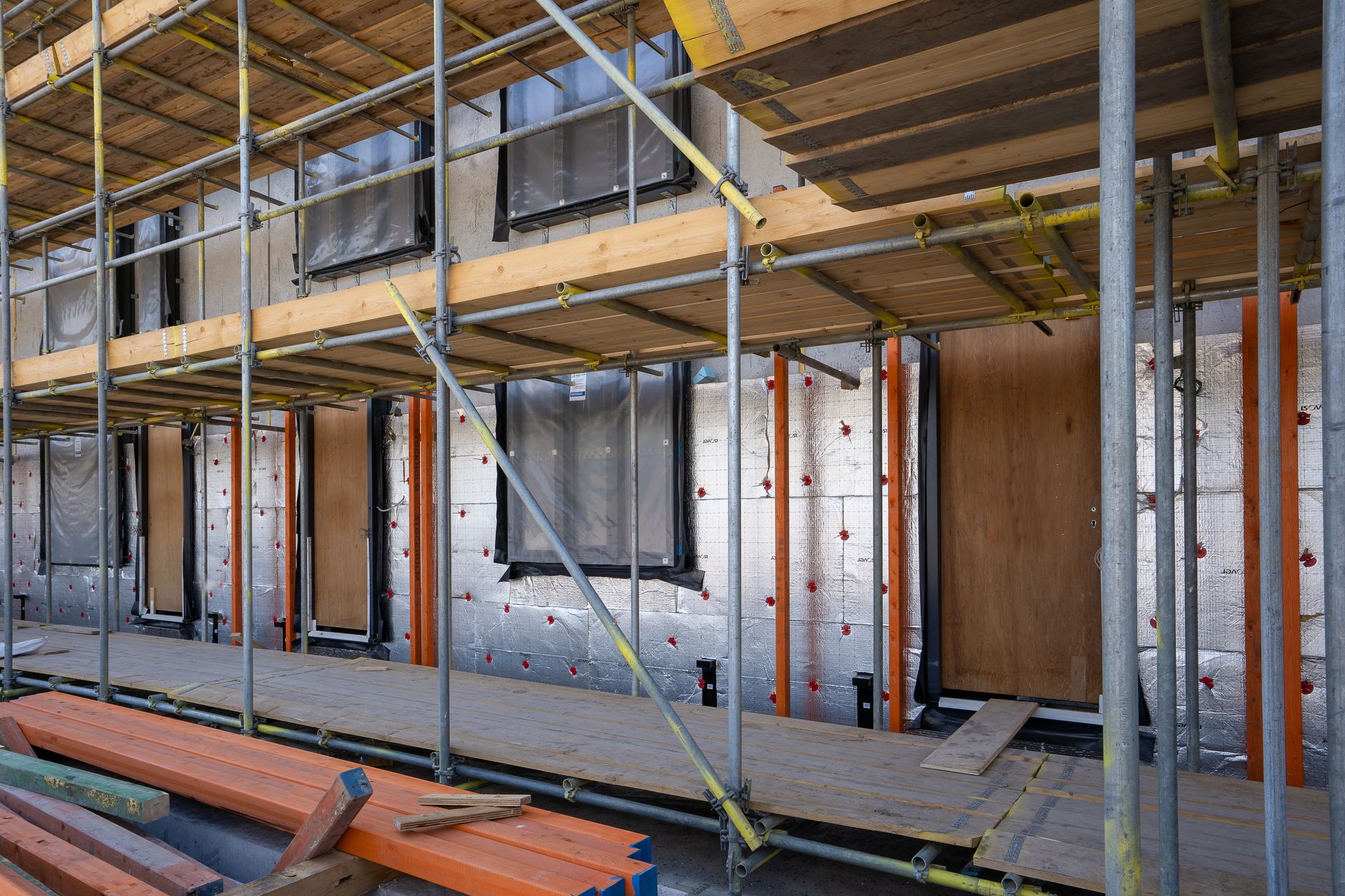
For homeowners with larger budgets (typically £20,000+), a holistic approach can incorporate external wall insulation, under-floor insulation, and renewable energy technologies.
Energy Efficiency Assessment
The National Energy Foundation (NEF) offers a detailed home energy assessment that measures current consumption, identifies priority actions, and models projected savings for each upgrade. An assessment usually costs £200-£300 but can prevent costly mis-steps by highlighting the most effective combination of measures.
During the assessment, a surveyor installs temperature sensors and conducts a blower-door test to quantify air leakage. The resulting report includes a tailored upgrade roadmap, often recommending a mix of insulation, glazing, and low-carbon heating such as air-source heat pumps.
Choosing a certified assessor ensures compliance with the UK government's Energy Company Obligation (ECO) scheme and may unlock additional grants.
Cost-Effective Step-by-Step Guide
Retrofitting a terraced house does not have to happen all at once. A phased approach allows owners to spread costs, evaluate outcomes, and adapt plans based on real-world performance.
Phase 1 (£0-£2,000): Begin with DIY draught-proofing and low-cost secondary glazing where budget permits. This immediate improvement can reduce drafts and lower heating demand within weeks.
Phase 2 (£2,000-£5,000): Invest in professional loft insulation and upgrade the most draughty windows with secondary glazing or energy-efficient double-glazing. These measures typically provide the quickest payback.
Phase 3 (£5,000-£10,000): Address airtightness through sealant applications, install thermal curtains, and consider adding a smart thermostat to optimise heating schedules.
Phase 4 (£10,000+): For those ready to commit to larger savings, external wall insulation, floor insulation, and solar PV installations become viable options. Pairing solar panels (typically 4-6 kWp for a terraced house) with a battery can further reduce reliance on the grid and increase property value.
| Budget | Upgrade | Annual Savings |
|---|---|---|
| £200 | DIY draught-proofing strips and brush strips | £10-£20 |
| £500 | Professional loft insulation (270mm mineral wool) | £230 |
| £2,000 | Secondary glazing or double-glazed windows | £150-£200 |
| £20,000+ | Comprehensive energy efficiency assessment, including external wall insulation, floor insulation, and renewable energy technologies like solar panels | £400-£600 |
Assessing Long-Term Energy Savings
While upfront costs are important, the true value of any upgrade lies in its long-term financial and comfort benefits. Homeowners should evaluate savings over a 10-15-year horizon to account for inflation, fuel price volatility, and equipment lifespans.
Insulation measures typically have a payback period of 2-4 years, after which they deliver near-free heating. Window replacements often take 5-8 years to break even, but they also improve occupant health by reducing cold-drafts and condensation.
In addition to reduced utility bills, energy-efficient homes command higher resale values. Studies by the Royal Institution of Chartered Surveyors (RICS) suggest that a well-insulated terraced house can fetch a premium of 5-10% over comparable properties in the same area.
Material Quality and Durability Standards
Choosing materials that meet or exceed industry standards safeguards the investment and minimises future maintenance. Look for insulation with a minimum thermal conductivity (k-value) of 0.036 W/m K, and windows with an approved Building Regulations Part L compliance certificate.
Reputable manufacturers often provide warranties ranging from 10-20 years for insulation products and 10 years for double-glazed units. When selecting external wall insulation, ensure the system carries a 25-year durability guarantee and is suitable for the specific brickwork of a terraced house.
Assessing Professional Installation vs. DIY
Minor tasks such as applying sealants, installing draft strips, or fitting secondary glazing can be tackled by knowledgeable DIYers, saving labour costs and providing immediate results. However, major upgrades like loft insulation, window replacement, and external wall cladding require specialised equipment, accurate framing, and compliance with building control regulations.
Professional installers are typically certified under the National Energy Foundation or the Green Deal scheme, offering both workmanship warranties and access to exclusive material discounts. They also guarantee that the work will not void existing property insurance or contravene local planning restrictions.
Project Timelines and Weather Windows
Timing can affect both cost and comfort during a retrofit. The most practical months for exterior work on terraced houses are late spring through early autumn, when temperatures are mild but not so cold that heating is needed throughout the project.
Loft insulation can be installed in as little as a day for a typical terraced property, while full window replacement may take 3-5 days per facade. External wall insulation projects usually span 1-3 weeks, depending on the size of the house and weather conditions.
Planning the schedule around school holidays or remote work periods can help minimise disruption, especially in homes where occupants work from home or have children at school.
Maximizing Rebates and Financing Incentives
Various UK government and regional schemes can offset the cost of energy-efficiency upgrades. The Energy Company Obligation (ECO) scheme offers free loft and cavity wall insulation for eligible low-income households. The Green Homes Grant provides vouchers covering up to two-thirds of qualifying improvements, with a maximum of £3,500 per household.
In addition, many local authorities run seasonal grant programmes that subsidise window replacements or the installation of smart thermostats. Homeowners should apply for these incentives early, as funding is often limited and distributed on a first-come, first-served basis.
Financing options include interest-free loans from the Social Housing Energy Efficiency Scheme (SHEES) and payback-based contracts where the installer is paid via the energy savings achieved. These arrangements can make high-cost upgrades more approachable without straining cash flow.
Warranty Coverage and Quality Assurance
Reliable service providers back their installations with comprehensive workmanship guarantees and manufacturer warranties. Typical periods are 2-5 years for installation work and up to 10 years for materials such as insulation and glazing.
Third-party quality assurance, such as certification from the British Standards Institution (BSI) or accreditation with the TrustMark scheme, offers an additional layer of consumer protection. Homeowners should request written documentation of all warranties at the project start and keep records of maintenance for the life of the systems.
Conclusion
Improving a terraced house's energy efficiency is a realistic and rewarding goal that delivers both financial savings and enhanced living comfort. By prioritising loft insulation, window upgrades, and airtightness measures, owners can achieve quick wins, while larger investments in comprehensive assessments and renewable technologies lock in long-term benefits.
Key takeaways include starting with affordable, high-impact actions, using professional assessments to guide larger projects, and leveraging available grants and financing to reduce upfront costs. Careful material selection, proper installation, and regular performance monitoring ensure that upgrades remain effective for years to come, ultimately increasing property value and contributing positively to environmental sustainability.
If you're planning energy efficiency upgrades for your terraced house, consider consulting a professional to review your options and develop a suitable plan.


