External walls are a primary point of heat loss in residential properties, directly impacting energy consumption, indoor comfort, and heating bills. For homeowners and property managers considering renovations, understanding and addressing this issue is fundamental for achieving long-term savings and enhancing living quality.
Heat loss through external walls occurs through three main mechanisms: conduction, convection, and radiation. Conduction is the transfer of heat directly through the solid materials of the wall. Convection involves the movement of warm air escaping through gaps or within wall cavities, carrying heat away. Radiation is the transfer of heat waves from warmer surfaces to colder ones, such as from a warm internal wall to a colder external one. Poorly insulated or uninsulated walls permit warmth to escape during colder months, necessitating higher thermostat settings and increased energy usage. Conversely, in summer, these same walls can contribute to overheating, raising the need for cooling. Addressing wall efficiency is a key component of overall home energy performance.
Understanding Heat Loss Mechanisms in External Walls
To effectively reduce heat loss, it helps to understand how it occurs. When your home's heating system generates warmth, this heat naturally seeks to move from warmer areas to colder ones. In a typical home, external walls represent a large surface area for this thermal transfer.
- Conduction: Heat moves through solid materials. If your wall materials (bricks, blocks, plaster) have a high thermal conductivity, heat will pass through them quickly from the warm interior to the cold exterior. Insulation materials work by having very low thermal conductivity, slowing this process down significantly.
- Convection: Air movement plays a critical role. In walls with cavities, air can circulate, pick up heat from the inner leaf, and transfer it to the colder outer leaf, or escape entirely through gaps to the outside. Drafts around windows, doors, and utility penetrations are another form of convective heat loss, allowing warm indoor air to escape and cold outdoor air to infiltrate.
- Radiation: All objects emit thermal radiation. A warm interior wall surface radiates heat towards a colder exterior wall surface or even outwards through transparent materials like windows. Low-emissivity coatings on windows and reflective insulation materials are designed to reduce this type of heat transfer.
By targeting these mechanisms, insulation and other upgrades create a more robust thermal envelope for a property, maintaining a stable internal temperature with less energy input.
Primary Solution: Wall Insulation
Wall insulation is consistently the most effective measure for reducing heat loss. Various types of insulation are suitable for different property constructions and homeowner priorities.
Cavity Wall Insulation
Many homes built between the 1920s and 1980s in the UK feature a cavity – a gap between the inner and outer layers of brickwork or blockwork. This cavity can be filled with insulating material to significantly reduce heat transfer. The process typically involves drilling small holes in the exterior walls and injecting materials such as mineral wool, polystyrene beads, or expanding foam. These materials fill the void, trapping air and preventing convective heat loss, while also reducing conductive transfer through the wall structure.
Suitability: Ideal for properties with unfilled cavities that are in good condition, free from damp or structural issues. It's generally a quicker and less disruptive installation compared to other methods, often completed within a day or two without requiring internal access.
External Wall Insulation (EWI)
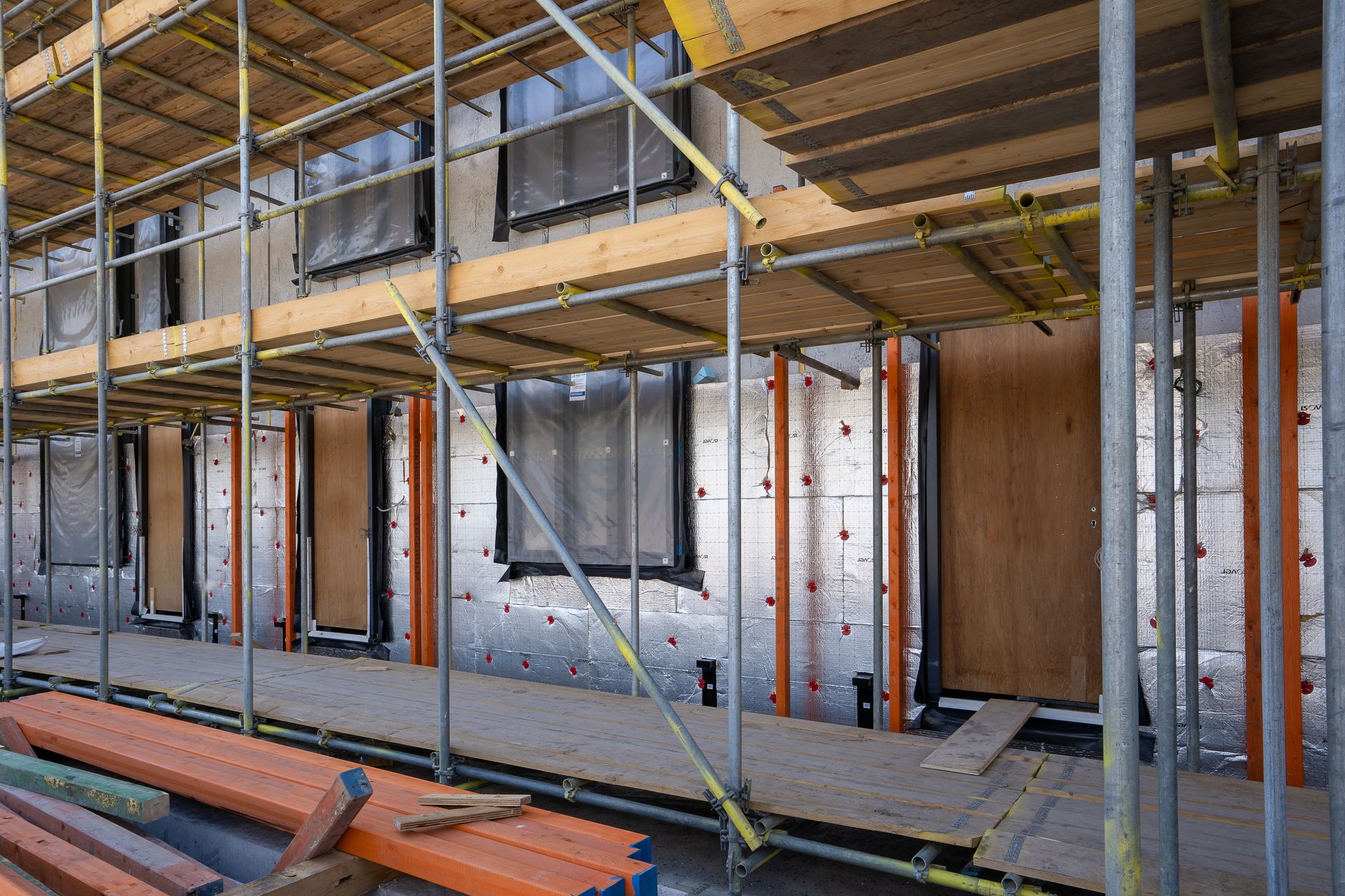
External Wall Insulation (EWI) is a highly effective solution, particularly for solid wall properties or those where cavity fill is not feasible. This method involves fixing insulation boards (e.g., expanded polystyrene, mineral wool, phenolic foam) to the exterior of the walls. These boards are then covered with a protective render system or decorative cladding. EWI not only provides substantial thermal benefits but also improves weatherproofing and can enhance the property's curb appeal through a refreshed façade.
Suitability: Best for solid wall homes, properties with unsuitable cavities, or those requiring aesthetic upgrades. It is more costly and disruptive than cavity fill but offers comprehensive thermal performance. Planning permission may be required for certain properties, especially listed buildings or those in conservation areas, due to changes in external appearance and dimensions.
Internal Wall Insulation (IWI)
Internal Wall Insulation (IWI) is applied to the inside of external walls. This typically involves fitting rigid insulation boards directly to the wall or constructing a stud wall frame that is then filled with insulating material (such as mineral wool or PIR boards) and boarded over with plasterboard. IWI is often chosen when external work is not feasible or desired, for example, on listed buildings where the external appearance cannot be altered, or in semi-detached/terraced homes where one external wall is shared.
Suitability: A viable option when external insulation is impractical. However, it does reduce internal room space slightly and requires interior disruption, including moving electrical sockets and radiators. Careful consideration of potential condensation risks and vapour control layers is crucial to prevent moisture issues within the wall structure.
The table below offers a comparative overview of these primary wall insulation methods:
| Insulation Type | Suitability | Key Benefits | Potential Drawbacks |
|---|---|---|---|
| Cavity Wall Insulation | Homes with existing cavity walls, good condition | Cost-effective, quick installation, minimal disruption, immediate thermal improvement | Not suitable for solid walls, can worsen damp if not installed correctly or in exposed areas |
| External Wall Insulation (EWI) | Solid wall homes, unsuitable cavities, aesthetic upgrade desired | Superior thermal performance, improves weatherproofing & aesthetics, no internal disruption, protects external façade | Higher cost, more disruptive installation period, potential planning permission needed, reduces property boundary slightly, access requirements for installation |
| Internal Wall Insulation (IWI) | Solid wall homes, listed buildings, external work not feasible | Maintains external appearance, good thermal gains, phased installation possible per room | Reduces internal room space, interior disruption (relocating fixtures), risk of interstitial condensation if not detailed properly, less effective at preventing thermal bridging than EWI |
Secondary Solutions: Complementing Wall Insulation
While wall insulation is paramount, other elements of the external envelope significantly contribute to overall heat loss and should be addressed in conjunction with wall upgrades.
High-Performance Windows and Doors
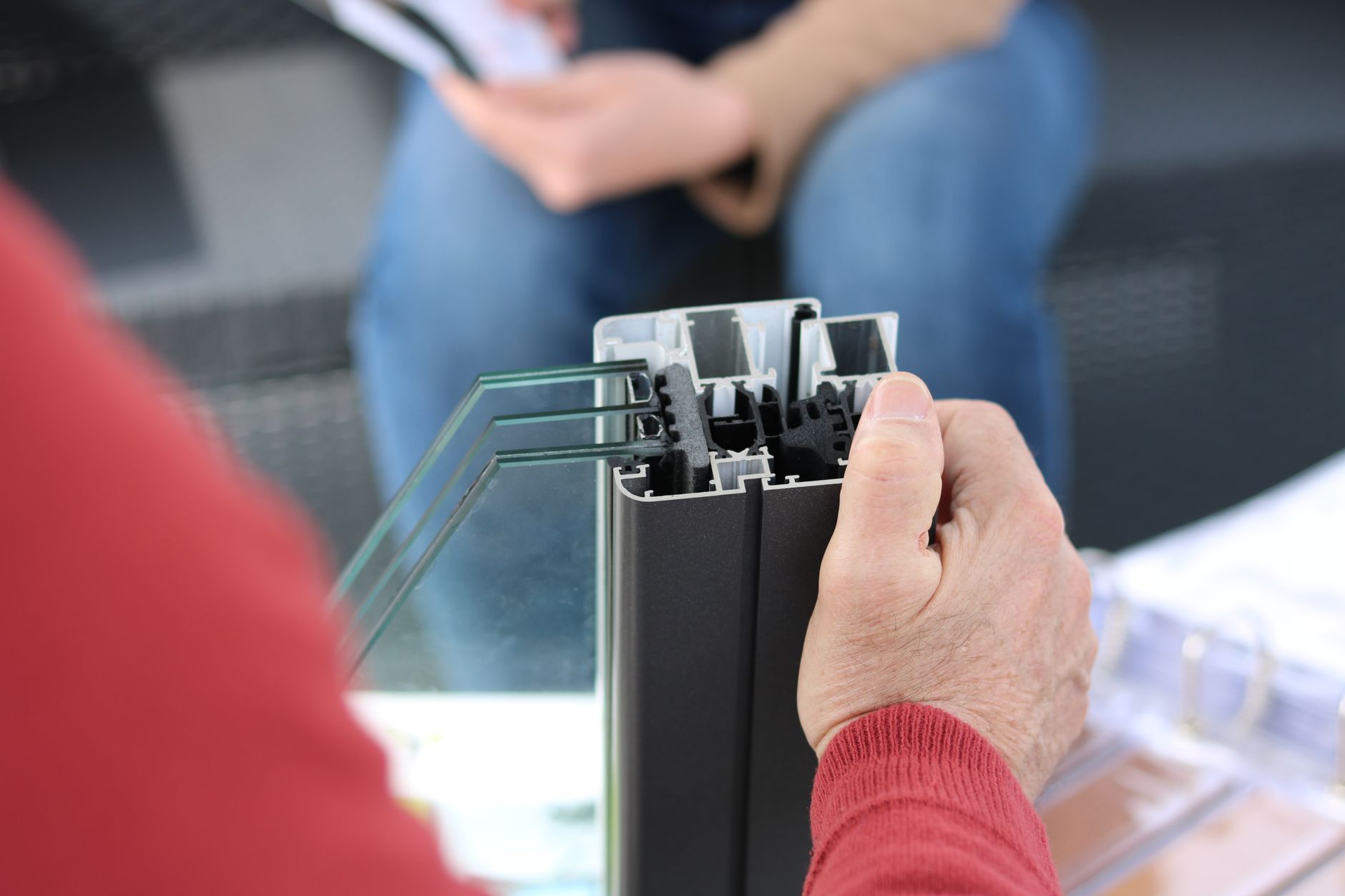
Windows and doors are critical points of heat loss, even in well-insulated walls. Upgrading to high-performance units can drastically improve a home's thermal efficiency. Modern double or triple-glazed windows feature multiple panes of glass separated by inert gas (like argon) and often have low-emissivity (low-e) coatings. These coatings reflect heat back into the room during winter and out during summer, while thermally efficient frames (e.g., uPVC, timber, composite) reduce heat transfer through the frame itself. Similarly, insulated external doors with proper seals prevent heat escape and drafts.
The performance of windows and doors is measured by their U-value, which indicates how effectively they prevent heat transfer. Lower U-values signify better insulation. Building Regulations in the UK specify minimum U-value standards for new and replacement windows and doors, underscoring their importance in energy efficiency.
Draft-Proofing
Drafts are a common and often underestimated source of heat loss. Sealing cracks and gaps around windows, doors, electrical outlets, pipework penetrations, and even loft hatches prevents warm air from escaping and cold air from entering. This is a relatively low-cost measure that can yield immediate and noticeable benefits. Common draft-proofing materials include: weatherstrips for doors and windows, silicone sealants for gaps, expanding foam for larger voids, and brush or hinged strips for door bottoms. A thorough check of the entire external envelope can reveal numerous areas where draft-proofing can be applied, enhancing the effectiveness of other insulation efforts.
The Benefits of Reducing Heat Loss Through External Walls
Investing in external wall upgrades delivers a range of significant benefits that extend beyond simply being warmer.
Significant Financial Savings
One of the most compelling reasons to address wall heat loss is the potential for reduced energy bills. According to the Energy Saving Trust, the average annual energy bill for a typical household in the UK was projected around £1,690 as of April 2024. Implementing effective wall insulation and related energy efficiency upgrades can lead to substantial reductions in heating demand, potentially saving hundreds of pounds annually. Over the lifespan of the insulation, these savings can represent a considerable return on investment, particularly as energy prices fluctuate.
Enhanced Indoor Comfort
A well-insulated home maintains a more consistent internal temperature, eliminating cold spots and drafts. This means a more comfortable living environment where all rooms are usable throughout the year, without relying on excessive heating or cooling. Reducing temperature fluctuations also contributes to better air quality and a healthier home environment.
Reduced Carbon Footprint
By lowering the demand for heating and cooling, homes use less energy, which in turn reduces greenhouse gas emissions. This contributes directly to a smaller carbon footprint for the household, supporting broader environmental sustainability goals. Homeowners committed to eco-friendly living often prioritize these types of upgrades.
Increased Property Value and EPC Rating
Energy efficiency upgrades, particularly comprehensive wall insulation, can significantly increase a property's value. An improved Energy Performance Certificate (EPC) rating is a direct outcome of effective thermal upgrades, making the property more attractive to potential buyers and renters. A higher EPC rating signifies lower running costs and a more comfortable home, both desirable attributes in the property market.
Regulatory Considerations and Support
Homeowners undertaking significant wall insulation or window replacement projects in the UK must adhere to specific Building Regulations. Part L (Conservation of Fuel and Power) sets U-value targets for thermal performance that must be met by new or replacement elements. Compliance with these regulations is mandatory and typically requires sign-off from local authority building control or an approved inspector.
Additionally, it is advisable for homeowners to research potential government grants or local authority schemes. These initiatives are periodically available to support energy efficiency improvements, helping to offset the initial investment costs. Information on current schemes can often be found through government websites or local councils, providing financial assistance for eligible projects.
Making an Informed Decision
Reducing heat loss through external walls is a strategic investment in your property's future. The choice of insulation method depends on various factors: your property's construction type, budget, desired level of disruption, and aesthetic preferences. It is important to obtain detailed surveys and quotes from qualified professionals to understand the most suitable options for your specific home. An expert assessment can identify the most critical areas of heat loss and recommend tailored solutions that comply with all relevant regulations.
Considering the long-term benefits in comfort, savings, and property value, a holistic approach to improving your home's thermal envelope often yields the best results. Whether focusing on walls, windows, or overall draft-proofing, each step contributes to a more energy-efficient and comfortable living space.
For personalized advice on reducing heat loss, consider consulting a qualified energy advisor or insulation specialist.