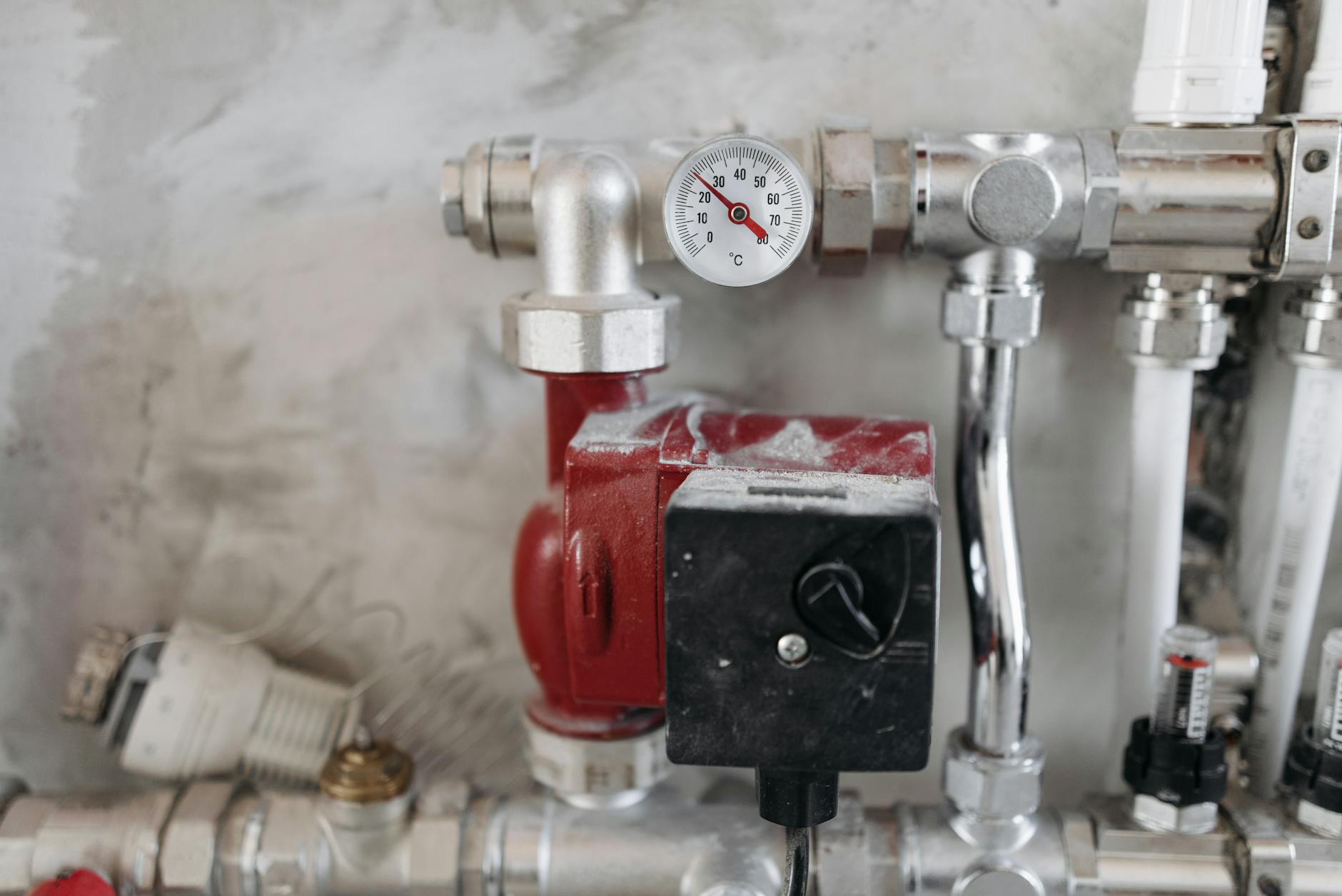
A boiler typically provides reliable heating for 10 to 15 years, but age alone does not determine when it should be replaced. A well‑maintained unit may last longer, while hard water, frequent cycling, poor installation, or deferred repairs can cause problems much earlier.
The most important question is not simply how old the boiler is, but whether it heats safely, consistently, and at a reasonable cost. A replacement can improve efficiency, but it should follow an assessment rather than a rushed decision.
How long does a boiler typically last?
Most residential boilers last between 10 and 15 years. Gas, oil, and electric systems vary by design, manufacturer, model, fuel type, and installation quality. Commercial or heavily used systems may need attention sooner.
Annual servicing, timely cleaning, pressure checks, and prompt repairs can protect heat exchangers, burners, pumps, and controls. While maintenance cannot stop normal wear, it can surface small issues before they become expensive failures.
Review the equipment records if you have them. Note the installation date, warranty terms, repair history, and any changes in heating performance. If records are missing, a qualified HVAC contractor can inspect the unit and estimate its remaining service life.
Signs of boiler failure
Several signs together often indicate a boiler reaching the end of its useful life.
1. Frequent breakdowns
Repeated emergency repairs mean the system may be unreliable. Ask a contractor to compare the cost of another major failure with the cost of replacement. Such repeated failures may also affect the reliability of other systems and increase maintenance costs.
2. Strange noises
New or increasing banging, knocking, or rumbling may signal scale buildup, a failing pump, trapped air, or a damaged heat exchanger. Addressing the underlying issue promptly can prevent further damage to the heat exchanger or burner.
3. Leaks or moisture around the unit
Pooling water or a constantly refilling system indicates a pressure loss or a leak in valves, pipes, or the heat exchanger. Leaking components can also cause corrosion and pose a fire hazard if not repaired quickly.
4. Rising energy bills
A sudden or steady increase in fuel use can reflect reduced efficiency. Compare bills with previous winters and account for weather changes. Tracking consumption trends over multiple seasons helps isolate the boiler’s impact from other variables.
5. Inconsistent heating
Uneven temperatures, short‑cycling, or slow warm‑up can point to a failing control, pump, air lock, or distribution issue. Zoning controls or dampers may need adjustment if the issue stems from distribution rather than the boiler.
6. Low or unstable water pressure
Frequent pressure drops or fluctuations may reveal a leak, expansion‑tank problem, pump fault, or scale buildup. A malfunctioning expansion tank can cause pressure fluctuations and should be inspected.
7. Visible corrosion or damage
Rust, corrosion, damaged piping, soot, or deteriorated insulation should be inspected promptly. Operate the unit only after a licensed professional has evaluated it. Corrosion on the heat exchanger reduces heat transfer and can create hazardous conditions.
8. A warning or lockout code
Modern boilers display fault codes. Repeated lockouts or codes that reappear after a reset should be diagnosed, not ignored. Recording the code history assists technicians in diagnosing recurring problems.
9. Poor combustion or indoor air concerns
Yellow flame, soot accumulation, unusual odors, or excess CO₂ can signal incomplete combustion. If you smell gas, leave the property and contact the utility or emergency services. Carbon monoxide detectors should be present and operational on every sleeping level. Regularly cleaning the burner and ensuring proper venting are essential for safe operation.
Repair or replace the boiler?
Repair is usually reasonable when the boiler is young, the problem is isolated, and a reliable part is available. Replacement becomes more compelling when the unit is near its expected life, uses costly fuel, has repeated failures, or requires major components. In some cases, upgrading to a high‑efficiency model can offset repair costs over its lifespan.
Ask for a written comparison that includes repair cost, expected remaining life, existing unit efficiency, replacement equipment, installation labor, permits, and required updates. Avoid basing the decision solely on purchase price, as a cheaper boiler with poor sizing or incompatible venting can incur additional costs later.
For property managers, track failures by unit and season. A pattern of emergency calls, tenant complaints, or rising operating costs can support a planned replacement budget. Notify the insurer before replacing the boiler if the policy requires it, and keep permits, inspections, warranties, and contractor documentation.
What affects the cost of boiler replacement?
The total cost includes equipment, installation labor, permits, removal of the old unit, new piping, controls, venting, and site conditions. A straightforward replacement may cost less than a conversion or a system that requires new flues, electrical service, or water treatment.
Efficiency is measured with the AFUE rating. A higher AFUE generally means greater efficiency, but the correct system still depends on the home’s load, climate, distribution, controls, and maintenance. A high‑efficiency unit may cost more upfront while reducing annual fuel use, provided it is properly matched and maintained. Energy savings from a more efficient boiler can also lower operating costs, making the investment worthwhile in the long term.
Request at least two itemized quotes. Confirm that labor, permits, haul‑away, tax, warranty, and inspection are included. Also ask what happens if the contractor finds code‑related repairs during removal, to avoid an unexpected price change.
How to choose a replacement boiler
Start with the heating demand rather than the largest model. An HVAC contractor should calculate heat loss and gain, review insulation and windows, and assess the existing distribution system. A unit that is too large may cycle frequently; one that is too small may struggle in extreme weather. Consulting with a certified engineer can provide a detailed load analysis to fine‑tune the size selection.
Compare fuel options based on local availability, infrastructure, safety, operating cost, and the building owner’s long‑term plans. Consider the type of property, expected occupancy, hot‑water demand, and whether the boiler will serve a hydronic system, radiant floor, or conventional radiators. A planned renovation may justify a condensing boiler, a heat pump, or another low‑temperature heating system, but the decision requires a full load and compatibility review.
In Virginia, water hardness and local building codes deserve early attention. Hard water can accelerate scale buildup, and the replacement may require a compatible treatment strategy. Confirm current local gas, electrical, venting, and mechanical requirements with the contractor and the authority having jurisdiction.
Safe boiler installation and compliance
Use a licensed HVAC contractor experienced with the selected fuel and equipment. The contractor should inspect the existing flue or venting, verify clearances, check electrical requirements, assess combustion air, and confirm system pressure and controls. Installation work should follow manufacturer instructions and applicable Virginia building and gas safety requirements.
Before the new unit starts, ask whether a final inspection, pressure test, combustion check, and system balancing are required. Test the thermostat, expansion tank, circulators, air vents, relief valve, and carbon monoxide detectors. Homeowners should receive operating instructions, warranty documents, and a maintenance schedule. Post‑installation, a commissioning report documenting all tests provides assurance of performance and safety.
Local building departments typically require a permit before installing a new boiler. The permit process ensures that the design meets ventilation, combustion air, and clearance requirements. After installation, a certified inspector will verify that the unit complies with the Virginia Uniform Statewide Building Code and that all safety tests—such as flame rollout and carbon monoxide measurements—pass before the system is put into service.
For a broader view of improving comfort and reducing energy use, review energy efficiency assessments to identify whether the boiler is part of a larger building performance issue.
If the replacement is part of a larger renovation, insulation planning can help ensure the new heating equipment is sized for a well‑performing building. This coordination may improve both comfort and operating efficiency.
Property owners can organize questions, contractor documents, and replacement planning before making an investment.
A practical replacement checklist
- Document repairs, fuel use, comfort problems, and the boiler’s approximate age.
- Schedule a safety and efficiency inspection by a licensed HVAC contractor.
- Compare repair cost with expected life and efficiency of the current unit.
- Obtain itemized quotes for suitable replacement models and installation work.
- Verify sizing, venting, water quality, permits, inspections, and insurance requirements.
- Confirm that a post‑installation maintenance plan is in place.
The clearest signs of boiler failure are repeated breakdowns, leaks, unusual noises, poor heating, rising energy use, pressure problems, and safety concerns. When those issues occur in an aging or inefficient system, replacement may offer better comfort, lower fuel consumption, and fewer emergency repairs. Make the decision after a professional assessment, with safety and long‑term operating costs ahead of the lowest initial price.
Evaluating whether your boiler should be repaired or replaced? Consider consulting a qualified heating professional to discuss options and plan the next steps.
| Feature | Vendor A | Vendor B |
|---|---|---|
| Efficiency rating | Provide the AFUE rating | Provide the AFUE rating |
| Warranty coverage | Request written terms and duration | Request written terms and duration |
| Installation scope | Confirm labor, removal, and setup | Confirm labor, removal, and setup |
| Venting compatibility | Verify existing flue requirements | Verify existing flue requirements |
| Permits and inspections | Confirm included responsibilities | Confirm included responsibilities |
| Maintenance support | Ask about service and parts availability | Ask about service and parts availability |


