Why Double‑Glazed Windows Matter
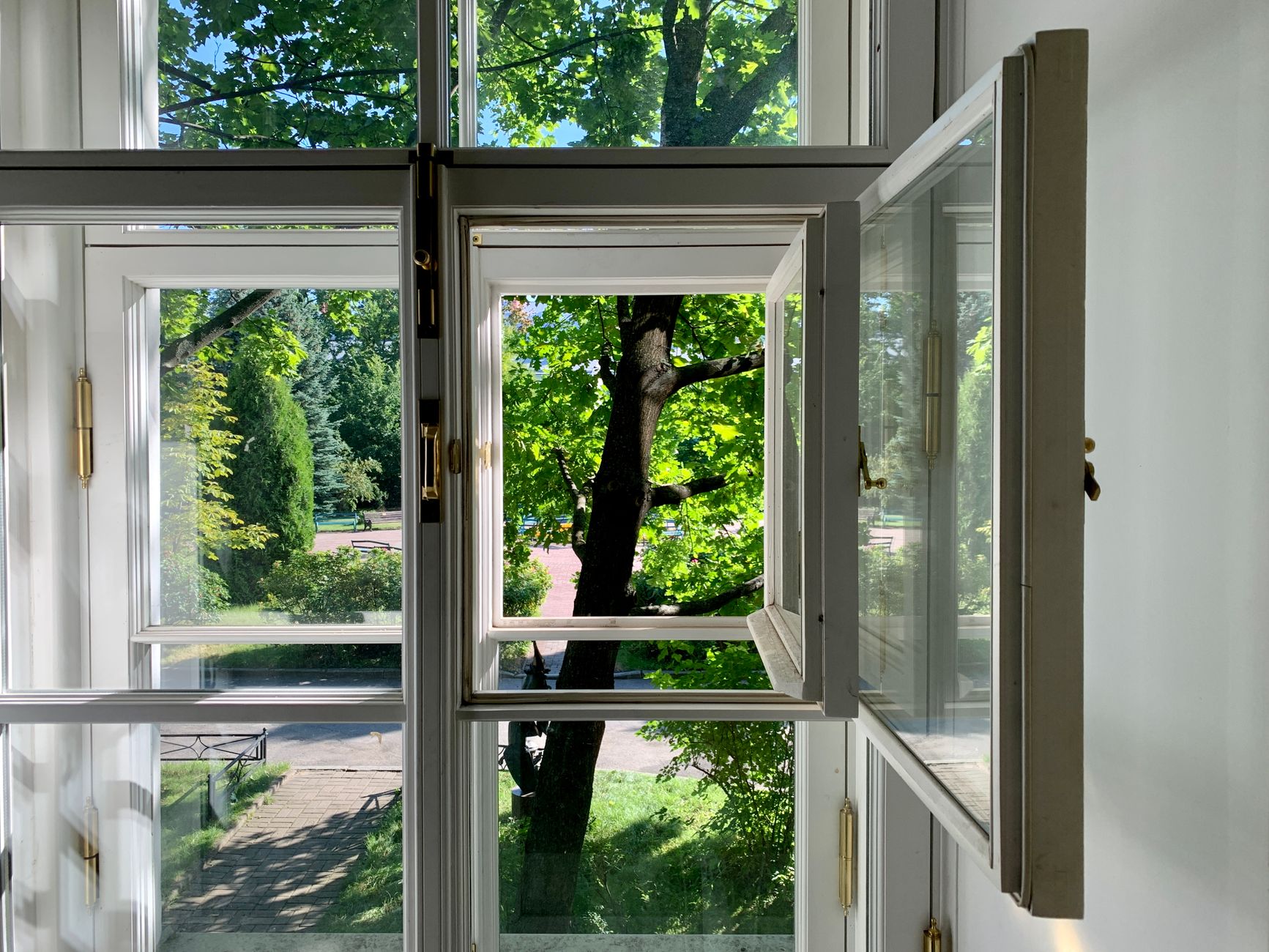
When a new home is built, designers choose double‑glazed units to lower heat loss, reduce noise, and curb moisture. A fresh pair of windows can cut a house’s U‑value from about 1.4 W/m²·K to 0.6 W/m²·K or better. In practice, that translates to a 20‑30 % reduction in heating and cooling demand. Over time, however, the sealed cavity that keeps the air pocket still can fail, and the whole system loses its efficiency.
Common Indicators of Degradation
1. Visible Condensation
If the space between the two panes shows a steady fog or water droplets, the seal is broken. Research finds that a compromised seal can raise the U‑value by 25‑40 %. This means the window is letting as much heat through as a single‑pane unit.
2. Drafts and Air Leakage
Feel a cold gust against the frame or detect airflow with an infrared camera. Even a small gap can increase annual heating costs by 5‑10 %. The U.S. Department of Energy estimates that windows account for 25‑30 % of a home’s total heat loss.
3. Physical Damage
Cracks, warped frames, or broken hardware weaken the structure and allow moisture to enter. Moisture inside the cavity can encourage mould and shorten the glass’s lifespan.
4. Noise Intrusion
When the acoustic barrier fails, outdoor sounds penetrate louder. Homeowners who notice a >3 dB increase in indoor noise often have a failed seal.
5. Energy Bills Spike
A sudden rise of 10 % or more in heating or cooling costs, with no change to lifestyle or weather patterns, is a red flag that windows are underperforming.
6. Age and Warranty
Most manufacturers back performance for 10‑15 years. After that, even well‑maintained units may no longer meet ENERGY STAR or Passivhaus standards, which target U‑values below 0.8 W/m²·K.
Financial and Comfort Implications
Replacing a faulty window can improve thermal performance by up to 30 %, yielding average annual savings of $150‑$300 per unit in temperate climates, according to HomeAdvisor’s 2023 data. Low‑E coatings and argon or krypton gas fills can push the payback period to 5‑7 years when combined with rebates. The comfort gain is measurable: interior temperatures stay steadier, drafts disappear, and indoor noise drops.
Decision Framework
Follow a simple decision tree:
- Conduct a visual inspection.
- If you spot fog, cracks, or drafts, proceed to a blower‑door test or infrared scan.
- When two or more indicators confirm, consider replacement.
- Cross‑reference with ongoing retrofit work—if you plan insulation upgrades or solar panels, a window upgrade may become more urgent because the new windows can become the performance bottleneck.
Actionable Steps
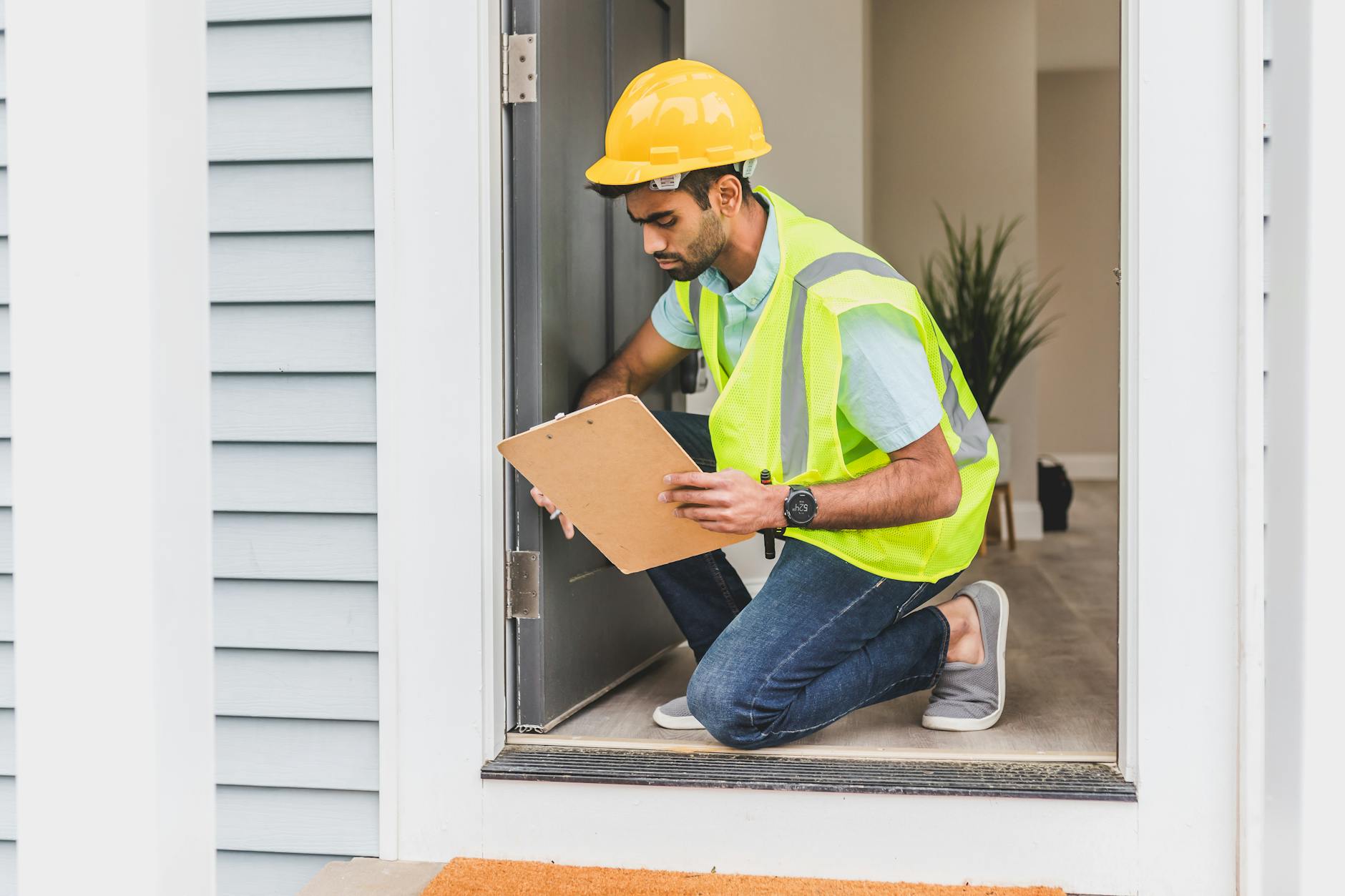
1. Inspect each pane for fogging or cracks.
2. Hand‑test for drafts; seal gaps with weatherstripping if possible.
3. Review recent energy bills for abnormal spikes.
4. Consult a certified installer for a U‑value assessment.
5. Compare replacement options—standard double glazing versus triple glazing, Low‑E coatings, and gas fills—against local rebate programs.
Cost vs. Savings Table
| Feature | Standard Double Glazing | Triple Glazing | Low‑E & Argon |
|---|---|---|---|
| Typical U‑Value | 0.6 W/m²·K | 0.4 W/m²·K | 0.55 W/m²·K |
| Installation Cost per Window | $700 | $1,200 | $900 |
| Annual Energy Savings* | $200 | $300 | $250 |
| Payback Period | 3.5 yrs | 4 yrs | 3.6 yrs |
While the initial investment is higher than a simple repair, the cumulative savings and comfort gains make a strong business case. Homeowners should also factor in the potential increase in property value that comes with newer, higher‑performance windows.
Looking to upgrade your windows? Read our guide to energy efficient glazing.
Need help choosing insulation? Check our insulation assessment checklist.
Looking to improve thermal efficiency without compromising design? Contact our team to evaluate the right window and door upgrades for your project.
For more home efficiency tips and renovation insights, read our latest guides.
Assessing Long-Term Energy Savings
When investing in home upgrades, initial installation costs are only part of the equation. Homeowners must weigh upfront expenses against long-term utility bill reductions, thermal performance gains, and potential property value increases.
Material Quality and Durability Standards
Choosing high-performance materials—such as energy-efficient window glazing, advanced insulation fibers, or weather-resistant roofing—ensures structural longevity and minimizes ongoing maintenance overhead.
Assessing Professional Installation vs. DIY
While minor cosmetic updates can be handled independently, major efficiency retrofits require specialized expertise. Professional installation ensures compliance with local building codes and protects manufacturer warranties.
Project Timelines and Weather Windows
Home improvement schedules vary based on project scope and seasonal conditions. Proper planning ensures that exterior renovations or weatherproofing initiatives are completed efficiently without disrupting daily routines.
Maximizing Rebates and Financing Incentives
Many regional and federal programs offer tax credits or rebates for energy-efficient home upgrades. Evaluating these financial incentives early can significantly offset total project costs.
Warranty Coverage and Quality Assurance
Reliable service providers back their installations with comprehensive workmanship guarantees and manufacturer warranties, giving homeowners long-term peace of mind.
Ultimately, a successful home improvement project should enhance your property's daily comfort, boost energy efficiency, and provide long-lasting value for years to come.
Ultimately, a successful home improvement project should enhance your property's daily comfort, boost energy efficiency, and provide long-lasting value for years to come.
Ultimately, a successful home improvement project should enhance your property's daily comfort, boost energy efficiency, and provide long-lasting value for years to come.
Ultimately, a successful home improvement project should enhance your property's daily comfort, boost energy efficiency, and provide long-lasting value for years to come.
Ultimately, a successful home improvement project should enhance your property's daily comfort, boost energy efficiency, and provide long-lasting value for years to come.