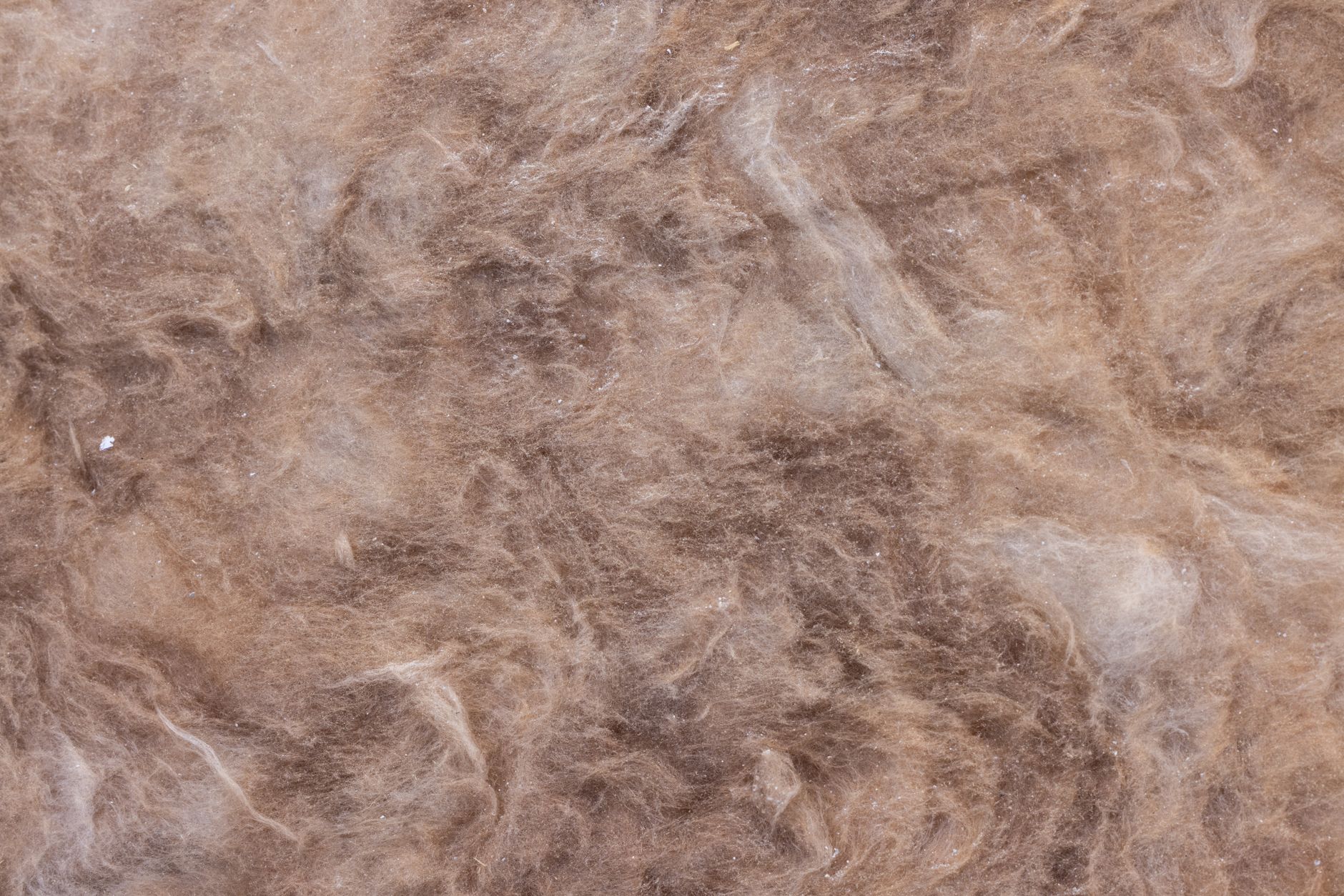
When considering insulation upgrades for a home, two materials consistently feature in discussions: mineral wool and fibreglass. Both are effective in improving a property’s energy efficiency, comfort, and long-term durability, yet they possess distinct characteristics that make them better suited for different applications. For homeowners, understanding these differences is crucial for making an informed investment.
This comparison focuses on the practical implications of each material, examining thermal performance, weight, sound control, fire resistance, moisture management, and installation considerations. The goal is to provide clarity, enabling you to select the insulation that best aligns with your specific project requirements and home improvement objectives.
Thermal Performance: R-Value Explained
Insulation’s primary function is to resist heat flow, a capability measured by its R-value. A higher R-value indicates better insulating power. While both mineral wool and fibreglass are efficient thermal barriers, they exhibit slight differences in their R-values at comparable thicknesses.
For example, a standard 3.5-inch mineral wool batt often achieves an R-value of R-15. In contrast, a fibreglass batt of the same 3.5-inch thickness typically offers an R-13 value. This marginal difference means that mineral wool can achieve a slightly higher R-value in a given thickness. This is particularly relevant in areas where space is constrained, and maximizing thermal resistance per inch is a priority, such as in older wall cavities or compact basement settings.
The impact of this difference on overall energy consumption can be subtle in typical residential applications but becomes more pronounced over the long term. A higher R-value generally translates to better heat retention during colder months and improved heat exclusion during warmer periods, contributing to more consistent indoor temperatures and potentially lower heating and cooling costs.
Curious about how R-value impacts your energy bills? Explore our comprehensive guide to home energy efficiency.
Insulation Weight and Application Considerations
A significant differentiator between mineral wool and fibreglass is their density and weight. Mineral wool is considerably denser and heavier than fibreglass. This density contributes to its rigidity and structural integrity, which can be advantageous in certain applications, providing a firm fit that resists sagging.
However, this increased weight can become a crucial factor in other scenarios. For applications requiring very high R-values, particularly in attics where insulation rests directly on gypsum board ceilings, the substantial weight of multiple layers of mineral wool could be prohibitive. Excessive weight might stress ceiling structures, especially in older homes, or necessitate additional structural reinforcement, increasing project complexity and cost.
For instance, achieving an R-49 value in an attic often requires a considerable depth of insulation. In such cases, the lighter weight of fibreglass makes it a more suitable alternative. Fibreglass can be installed in thicker layers without posing significant structural concerns for typical ceiling joists. This is especially important for maximizing attic insulation, as adequate R-values are critical for preventing heat loss or gain through the roof and optimizing a home's overall thermal envelope.
Sound Control Properties
Both mineral wool and fibreglass are effective at reducing sound transmission, contributing to quieter indoor environments. Their fibrous structures help to absorb sound waves, lessening noise that travels through walls, floors, and ceilings. Mineral wool generally exhibits marginally better sound control properties due to its higher density.
This density allows mineral wool to dampen vibrations more effectively, which can be beneficial in applications where soundproofing is a key concern, such as in media rooms, home offices, or between separate living units. However, for a typical residential wall cavity, the difference in acoustical performance between mineral wool and fibreglass is often imperceptible to human ears. Both materials can be effectively integrated into various wall and floor assemblies to meet specific Sound Transmission Class (STC) requirements, which measure a material's ability to reduce airborne sound.
Choosing an insulation material for sound control often depends on the specific noise challenges. For common household noise reduction, either material provides a noticeable improvement over uninsulated cavities. For more rigorous acoustical targets, consulting with an expert to design an appropriate assembly that may incorporate other sound-dampening techniques is advisable, rather than relying solely on the marginal differences between these two insulations.
Fire Resistance Capabilities
Safety is a primary concern for any home upgrade. Both unfaced fibreglass and unfaced mineral wool are noncombustible materials, meaning they will not ignite or contribute to the spread of fire. They can play a role in delaying fire propagation within a structure, offering valuable time in an emergency.
However, mineral wool possesses a significantly higher melting point than fibreglass. While fibreglass can withstand high temperatures, mineral wool maintains its structural integrity at extreme heat for longer periods. This characteristic leads mineral wool to be generally considered the more fire-resistant material, offering an added layer of protection. In areas where enhanced fire safety is a critical design parameter, such as in specific commercial applications or in residential structures requiring advanced fire compartmentalization, mineral wool is often the preferred choice.
For homeowners, selecting an insulation material with superior fire resistance can provide additional peace of mind, particularly for areas like shared walls, basement ceilings, or near potential heat sources. It's an investment not just in energy efficiency, but in the long-term safety and resilience of the home.
Considering other upgrades for home safety and energy efficiency? Learn about modern roofing solutions that offer structural protection.
Moisture Control and Facing Options
Managing moisture and vapor drive within a building envelope is essential for preventing condensation, mold growth, and material degradation. Both mineral wool and fibreglass are permeable materials, meaning they allow water vapor to pass through. Therefore, both typically require a separate facing or a dedicated vapor barrier to control moisture movement.
Fibreglass insulation often comes with pre-attached facings, such as kraft paper or foil. These facings serve multiple purposes: they hold the batt together, provide stapling flanges for easier installation, and act as a vapor retarder. A kraft paper facing, for instance, is typically a Class II vapor retarder, suitable for many climates to prevent warm, moist indoor air from condensing within the wall cavity.
Mineral wool, conversely, is usually sold unfaced. If moisture control is a priority for a mineral wool installation, a separate vapor barrier—such as polyethylene sheeting—would need to be installed on the warm-in-winter side of the insulation. This allows for tailored moisture management strategies depending on climate zone and specific building assembly. The choice of facing or separate vapor barrier is critical and must be carefully considered based on local building codes and climate conditions to ensure effective moisture management and prevent long-term issues.
Handleability and Installation Characteristics
Installation ease and preferences often vary between professional installers due to the distinct physical properties of mineral wool and fibreglass. These characteristics influence how each material is cut, fitted, and handled on a job site.
Fibreglass, being less dense and more flexible, is generally easier to cut with a utility knife and fit around common obstacles like electrical boxes, pipes, and irregular framing. Its pliability allows for some compression and expansion, making it adaptable to slightly imperfect cavity sizes. Despite its flexibility, bonded glass fibers are engineered to resist slumping or settling in normal vertical applications, maintaining their position and R-value over time. This ease of manipulation can contribute to faster installation times in certain residential settings.
Mineral wool, on the other hand, is denser and more rigid. Some installers prefer this rigidity because it allows for a very firm, friction fit within standard cavities, reducing air gaps. When cut correctly, it holds its shape precisely. However, this rigidity can make it less forgiving in irregularly shaped spaces or when dealing with numerous obstructions, potentially requiring more meticulous cutting and fitting. Special tools, such as a serrated knife or insulation saw, are often recommended for clean cuts through mineral wool.
The choice between these two can depend on the installer's experience and the complexity of the installation area. Both materials, when installed correctly, provide effective insulation. Improper installation, regardless of material, can lead to air leaks and reduced thermal performance.
Ideal Use Cases for Each Material
The distinct properties of mineral wool and fibreglass lend them to slightly different optimal applications:
- Mineral Wool: Due to its higher R-value per inch, superior fire resistance, and sound-dampening qualities, mineral wool is frequently chosen for exterior walls, basements, and heated crawl spaces. Its rigidity makes it suitable for continuous insulation systems on the exterior of a building, where it provides a thermal break across framing and contributes to a highly efficient envelope. It is also an excellent choice for interior walls where sound control is desired.
- Fibreglass: Its lighter weight, flexibility, and cost-effectiveness make fibreglass widely used for interior and exterior walls, attics, and garages. It excels in applications where large volumes of insulation are needed, such as in deep attic spaces, without adding excessive structural load. While suitable for wall cavities, it is generally not recommended for continuous exterior insulation systems in the same way rigid mineral wool boards are.
The optimal choice ultimately depends on balancing specific project demands related to thermal performance, acoustical needs, fire safety, moisture control, and practical installation considerations. A comprehensive assessment of the area to be insulated, existing structural conditions, and long-term performance goals is paramount.
Regulatory Considerations and Rebates
When planning any insulation upgrade, homeowners should be aware of local building codes. These codes often mandate minimum R-value requirements for specific areas of the home, such as attics, walls, and floors, which vary significantly by region and climate zone. Compliance with these codes is not just a legal requirement but also ensures the upgrade meets established standards for energy efficiency and safety.
Beyond R-value, local regulations may also cover fire safety, ventilation requirements, and the necessity of vapor barriers. Consulting with local authorities or a qualified contractor about these codes before starting a project can prevent costly reworks and ensure the installation is safe and effective.
Furthermore, homeowners should research potential local, provincial, or federal energy efficiency rebates or tax credits for insulation upgrades. Many government programs and utility companies offer incentives to encourage homeowners to improve their property's energy performance. These incentives can significantly reduce the overall project cost, making insulation upgrades a more financially attractive investment. Information on such programs is typically available through local energy agencies or utility providers.
Planning a larger home modernization project? Review our insights on comprehensive home renovation and upgrades.
Comparative Summary: Mineral Wool vs. Fibreglass
To summarize the key differences, the table below provides a concise overview for quick reference:
| Feature | Mineral Wool | Fibreglass |
|---|---|---|
| Thermal Performance (R-value) | Slightly higher (e.g., R-15 at 3.5") | Standard (e.g., R-13 at 3.5") |
| Density & Weight | Denser, heavier, more rigid | Lighter, more flexible |
| Sound Control | Marginally better acoustic properties | Good, often imperceptible difference |
| Fire Resistance | Superior, higher melting point | Non-combustible, aids in delaying fire spread |
| Moisture Control & Facing | Typically unfaced, requires separate vapor barrier | Often faced (kraft, foil) as vapor retarder |
| Handleability | Rigid, precise fit, less forgiving | Flexible, easier to cut around obstacles |
| Common Use Cases | Exterior walls, basements, continuous insulation | Interior/exterior walls, attics, garages |
Conclusion
Choosing between mineral wool and fibreglass insulation is a strategic decision that depends on a homeowner's specific priorities for energy efficiency, comfort, safety, and budget. Both materials offer significant benefits for improving a home's performance, but their unique attributes make them suitable for different applications.
Whether prioritizing superior fire resistance and R-value in a compact wall cavity with mineral wool, or opting for the lighter weight and ease of installation of fibreglass for extensive attic insulation, an informed decision ensures an optimal outcome. Understanding these distinctions empowers homeowners to make an investment that aligns with their long-term goals for their property.
Not sure which insulation upgrade offers the best fit for your home? Reach out to our advisors to discuss thermal performance options.