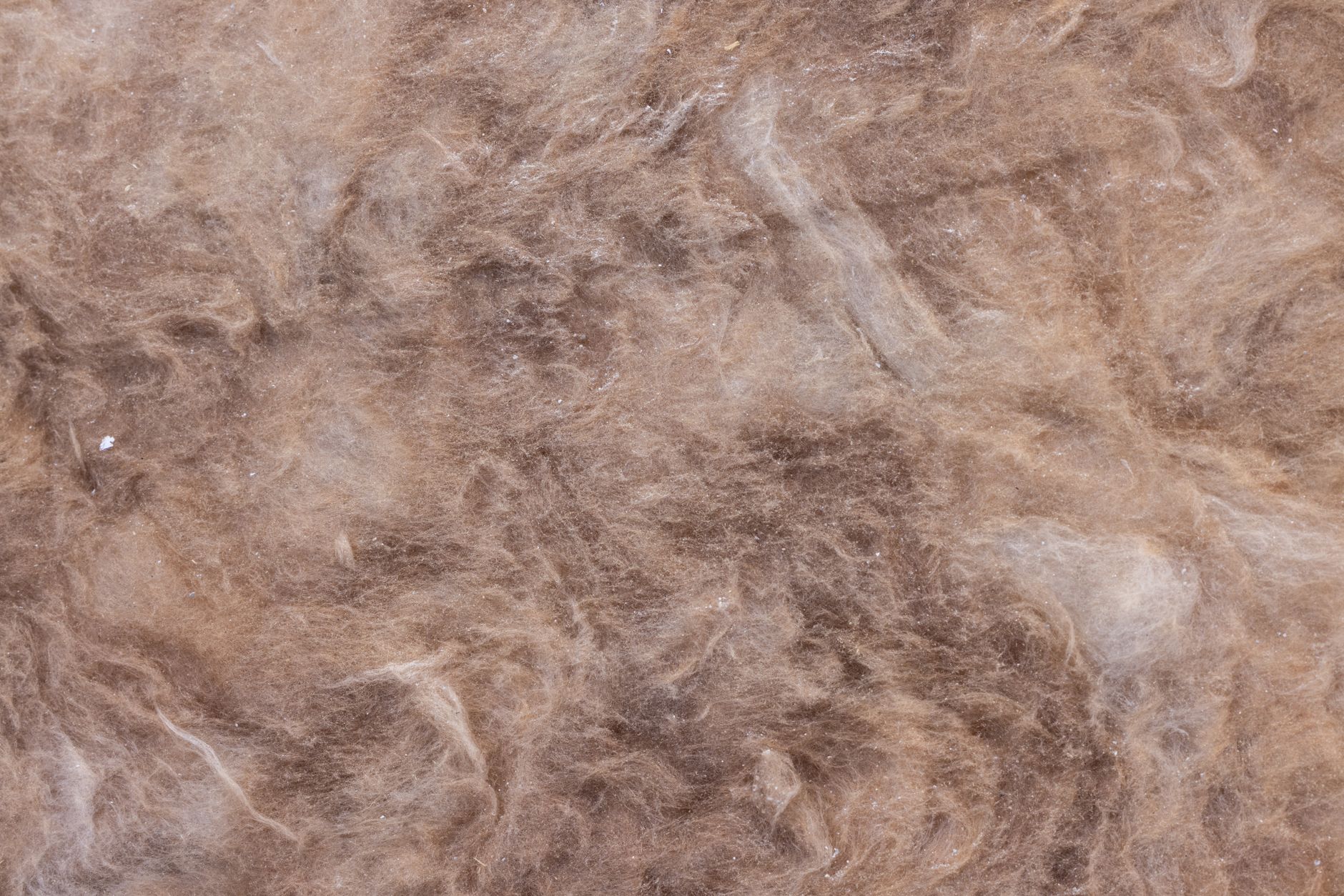
Understanding Your Insulation Choices
Selecting the appropriate insulation is a foundational step in enhancing a home's energy efficiency, comfort, and structural integrity. The market offers several compelling options, each with distinct advantages and considerations. This analysis focuses on three primary types—rock wool (mineral wool), fiberglass, and cellulose—to help homeowners make informed decisions for their property upgrade projects.
Rock Wool Insulation: Premium Performance
Rock wool, also known as mineral wool, is recognized for its superior performance metrics. Derived from basalt rock and recycled slag, it offers excellent thermal resistance. Its R-value per inch typically surpasses fiberglass by 22-37%, allowing for higher thermal performance in more compact spaces. For instance, a 2x10-inch rock wool batt can achieve an R-value of up to R38, making it highly effective for maintaining consistent indoor temperatures.
Beyond thermal properties, rock wool excels in sound dampening. Its density, which is over three times that of standard fiberglass, provides exceptional acoustic insulation, significantly reducing noise transmission between rooms or from exterior sources. This makes it an ideal choice for internal walls, home offices, or properties located in noisy environments.
Fire resistance is another key benefit. Rock wool is inherently non-combustible and can act as a fire stop, slowing the spread of flames and providing a crucial safety layer. It is also hydrophobic, meaning it resists water absorption. This characteristic helps prevent mold, mildew, and rot, contributing to a healthier indoor environment and the long-term durability of your home's structure. Environmentally, rock wool is a greener option, often containing around 70% recycled materials.
However, these premium benefits come at a higher cost, typically 25-50% more expensive than fiberglass. Installation can also be more demanding due to its weight and density, often requiring specialized tools like a serrated knife for precise cutting. Furthermore, rock wool is less widely available in the diverse range of sizes or pre-faced formats that fiberglass offers.
Fiberglass Insulation: The Versatile Standard
Fiberglass remains a popular insulation choice, primarily due to its cost-effectiveness and broad availability. It offers a good overall R-value, with 2x10-inch batts reaching between R26 and R37, depending on the product and manufacturer. Fiberglass comes in a wide array of formats, including batts, rolls, and loose-fill options, making it adaptable for various applications such as attics, walls, and irregularly shaped cavities. It is available with or without a paper facing, which serves as a vapor barrier in specific applications.
Its lightweight nature contributes to easier handling and installation, often making it a preferred choice for DIY enthusiasts or projects with budget constraints. Despite its advantages, fiberglass does have limitations. Its R-value can diminish if compressed during installation or if it absorbs moisture. While fiberglass is non-combustible, it does not provide the same level of fire-blocking as mineral wool. Additionally, its lower density translates to less effective sound dampening compared to rock wool.
Cellulose Insulation: The Retrofit Solution
Cellulose insulation, typically blown-in, stands out as a cost-effective solution, especially advantageous for retrofit projects where wall cavities are already enclosed. This insulation type utilizes a significant volume of recycled paper and cardboard, making it an environmentally friendly option. It is treated with specific agents to enhance its resistance to mold and fire, addressing common concerns associated with organic materials.
Despite its low initial price point and eco-friendly composition, cellulose generally offers a lower R-value compared to rock wool, which can potentially lead to higher long-term energy expenses. For instance, a 2x10-inch application typically yields around R30. A notable drawback of cellulose is its tendency to settle over time, particularly in wall cavities. This settling can create voids at the top of the cavity, reducing overall insulation effectiveness and causing drafts, potentially necessitating future topping off to maintain performance.
Installation of cellulose insulation requires specialized blower equipment, though these machines are often readily available for rent, making it accessible for homeowners or contractors.
Comparative Analysis: Rock Wool, Fiberglass, and Cellulose
To make an informed decision, it is helpful to compare these insulation types across key performance indicators.
| Feature | Rock Wool (Mineral Wool) | Fiberglass Insulation | Cellulose Insulation |
|---|---|---|---|
| R-value per Inch | Higher (22-37% more than fiberglass); e.g., 2x10” R38 | Good; e.g., 2x10” R26-R37 | Moderate; e.g., 2x10” R30 |
| Cost | Highest (25-50% more than fiberglass) | Lowest | Low (especially for retrofits) |
| Sound Dampening | Excellent (3x denser than fiberglass) | Moderate | Good (due to dense packing) |
| Fire Resistance | Superior (fire stop, non-combustible) | Good (non-combustible, but less fire-blocking) | Good (treated with retardants) |
| Water Resistance | Hydrophobic (resists mold/mildew) | Can lose R-value if wet | Treated for mold resistance, but can absorb moisture |
| Recycled Content | ~70% | ~20-30% | ~80-85% (recycled paper/cardboard) |
| Installation | Challenging (weight, cutting tools, less variety) | Easier (lightweight, wide availability) | Requires specialized blower equipment |
| Durability/Settling | Excellent, stable | Good, stable if not compressed | Can settle over time, requiring topping off |
Making an Informed Insulation Decision
The optimal insulation choice for your home hinges on a careful balance of several factors, including your budget, desired R-value, specific soundproofing needs, fire resistance requirements, and the nature of the installation project. Understanding these trade-offs is crucial for long-term satisfaction and energy savings.
If your primary goal is maximizing thermal performance and sound reduction, and your budget allows, rock wool presents a compelling option. Its inherent fire resistance and hydrophobic properties also contribute to enhanced safety and durability. For instance, upgrading an attic with rock wool could significantly reduce heat transfer and unwanted exterior noise, providing a noticeable increase in comfort.
For projects where affordability and ease of installation are paramount, fiberglass remains a strong contender. Its widespread availability and versatility make it a practical choice for many homeowners undertaking general insulation upgrades, especially in new construction or easily accessible areas like attics and standard wall cavities. While it may not offer the extreme sound dampening of rock wool, it provides solid thermal performance for its cost, making it a reliable workhorse for many insulation needs.
Considering a comprehensive approach to enhance your home's overall thermal performance? Reach out to our advisors to discuss insulation strategies that integrate with other energy efficiency upgrades.
Cellulose insulation shines in retrofit scenarios, particularly when insulating existing enclosed wall cavities without significant demolition. Its cost-effectiveness and high recycled content are attractive for homeowners looking for an eco-friendly and budget-conscious solution. However, the potential for settling over time should be factored into long-term planning, as it may require future maintenance to preserve its initial R-value. This makes it a nuanced choice, balancing upfront savings with potential long-term upkeep and performance consistency.
Beyond the Batt: Key Considerations for Homeowners
Climate Zone and R-Value Requirements: Your geographic location and local climate zone dictate the minimum R-value recommended or mandated by building codes. Always consult these regulations to ensure your chosen insulation meets the necessary thermal performance standards for your region. Higher R-values contribute to greater energy savings and enhanced comfort in extreme temperatures, both hot and cold. Failing to meet local codes can result in significant energy loss and discomfort.
Long-Term Energy Savings vs. Upfront Cost: While some insulation types have a higher initial price point, their superior R-value, durability, and resistance to degradation can lead to substantial long-term energy savings that often offset the initial investment. Conversely, a lower-cost option might save money upfront but could result in higher energy bills over the lifespan of the insulation due to lower performance or a greater likelihood of R-value degradation. Performing a comprehensive cost-benefit analysis considering your home's expected lifespan and energy consumption patterns is advisable to project true long-term value.
Installation Specifics: The method of installation varies significantly between these materials and impacts their effectiveness. Batts and rolls (rock wool, fiberglass) are typically friction-fit between studs, joists, or rafters, requiring precise cutting and placement to avoid gaps. Blown-in insulation (cellulose, loose-fill fiberglass) requires specialized equipment and is effective for filling irregular spaces or existing wall cavities, often conforming better to complex geometries. Professional installation ensures proper fitting, avoiding common pitfalls like gaps, compression, or uneven distribution that can diminish R-value and create cold spots.
Indoor Air Quality and Moisture Management: The hydrophobic nature of rock wool helps mitigate moisture issues and the growth of mold and mildew, which are critical for maintaining healthy indoor air quality. While cellulose is treated with borate to resist mold and fire, and fiberglass itself doesn't absorb water, improper installation or existing moisture problems can still lead to issues within the insulation layer. Addressing any moisture intrusion points, such as roof leaks or foundation dampness, before insulating is crucial for the longevity of the insulation and the overall health of your home's indoor environment. Effective ventilation also plays a vital role in moisture control.
Curious about the true energy efficiency of your current insulation? Schedule a home energy audit to identify weak points and potential savings opportunities, and understand how professional upgrades can help.
Environmental Impact: For homeowners prioritizing sustainability, rock wool and cellulose offer significantly higher recycled content percentages than traditional fiberglass. Rock wool uses a blend of natural rock and industrial slag, while cellulose is predominantly made from recycled paper and cardboard. Weighing these environmental benefits against performance and cost can align your home upgrade with broader ecological goals, contributing to a reduced carbon footprint for your property.
Ultimately, the decision for the best insulation material is highly personal and specific to your home's characteristics, your local climate, and your family's needs and priorities. There is no universally "best" option, but rather the most suitable one for your particular circumstances. Understanding the detailed pros and cons of rock wool, fiberglass, and cellulose empowers you to make a choice that supports your home's comfort, efficiency, safety, and durability for years to come.
Not sure which insulation upgrade offers the best fit for your home? Reach out to our advisors to discuss thermal performance options.
