Reducing heat loss in your home is essential for lowering energy bills and maintaining comfortable indoor temperatures during the colder months. Residential structures lose thermal energy through multiple building pathways, including uninsulated roof cavities, drafty window perimeters, wall assemblies, and unsealed foundation basements. According to building science data, taking systematic steps ahead of freezing temperatures noticeably improves whole-home thermal performance while preventing strain on mechanical heating equipment.
Understanding Residential Heat Transfer Pathways
Heat loss occurs via three primary thermal mechanisms: conduction through structural materials, convection through moving air masses, and radiation across open spaces. In a standard single-family home without modern retrofits, uninsulated attics account for roughly 25% of overall thermal loss, exterior walls contribute approximately 35%, drafts around fenestrations account for 15%, floors transfer 15%, and ventilation pathways lose the remaining 10%. By addressing the envelope systematically, homeowners can capture measurable reductions in energy demand.
Replacing Rubber Seals Around Doors and Windows
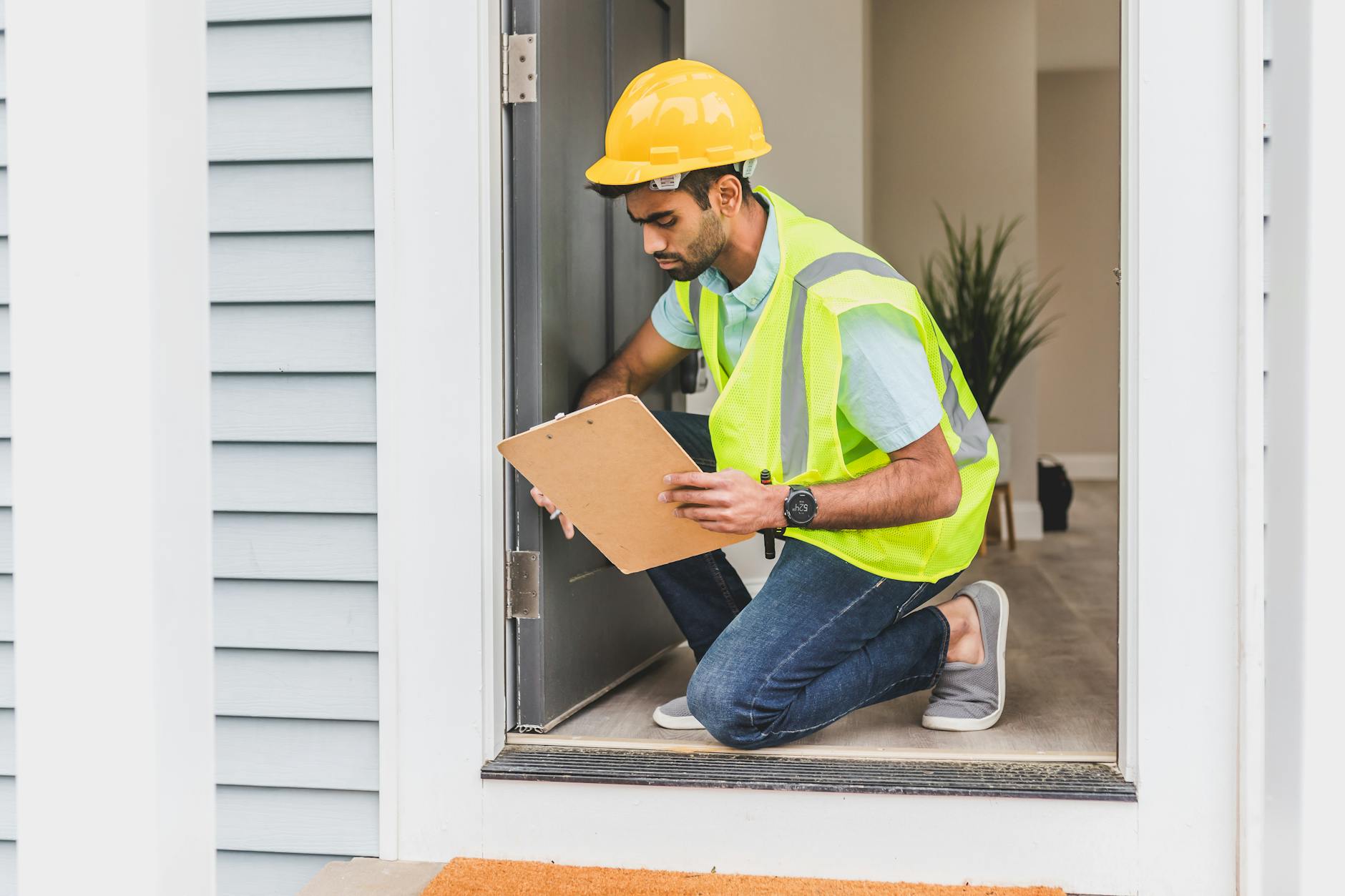
One of the most cost-effective methods to curb uncontrolled convective heat transfer is inspecting and replacing perimeter weatherstripping. Rubber and silicone seals installed around entry doors and operable window sashes degrade under continuous compression cycles, UV exposure, and seasonal temperature swings. Over three to five years, compressed rubber loses elasticity, leaving sub-millimeter gaps that permit continuous infiltration of cold outdoor air.
Replacing brittle seals with heavy-duty EPDM rubber or cellular foam gaskets restores airtight contact. Homeowners can identify problem areas by conducting a simple daylight or smoke-pencil test along frame margins on windy afternoons. Closing these microscopic margins stabilizes internal room pressure and prevents drafts that force thermostats to trigger premature heating cycles.
Installing Multi-Layered Thermal Curtains
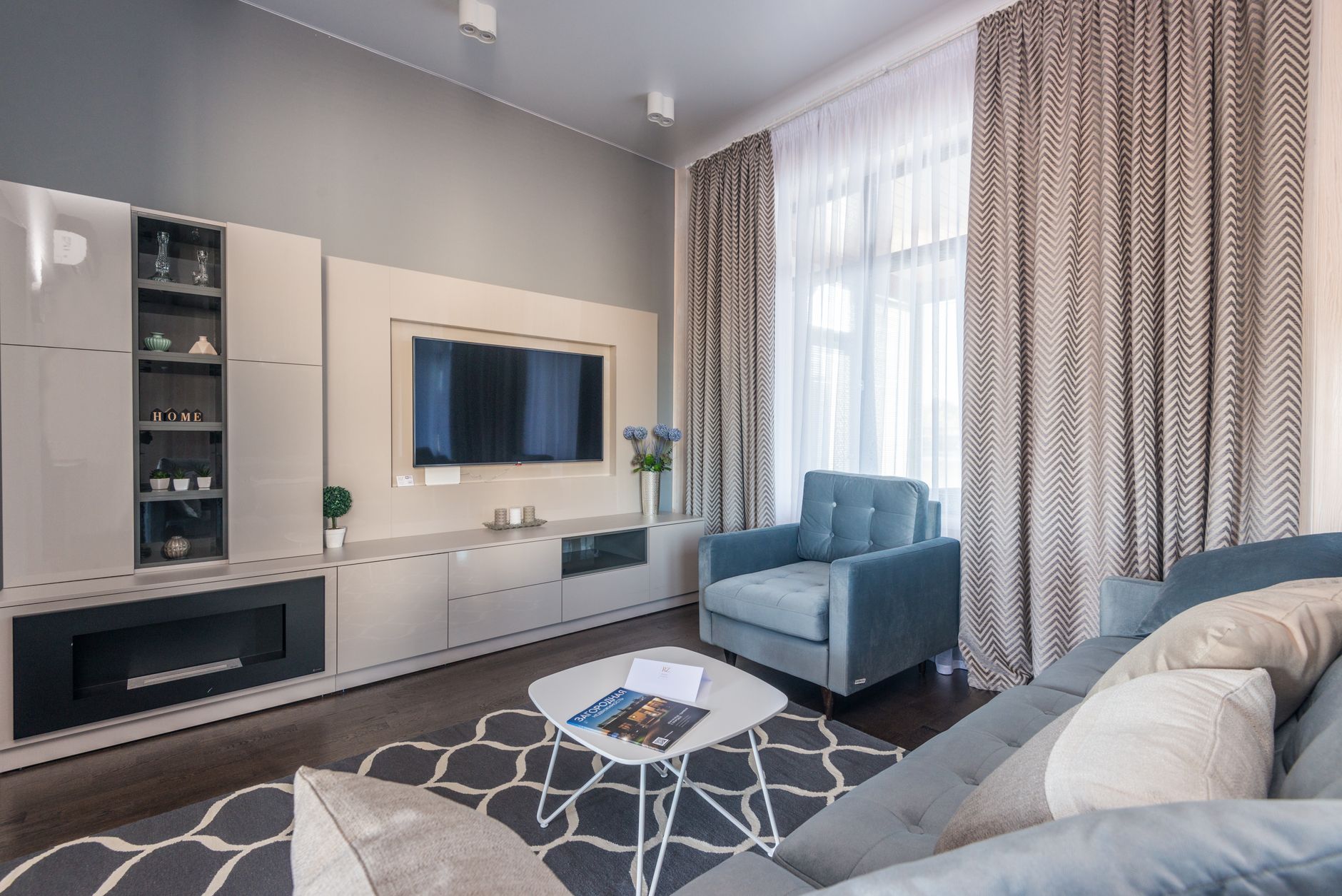
Glazing units, even double-pane assemblies, naturally exhibit a lower thermal resistance (R-value) than insulated framing. Installing thick, multi-layered thermal curtains creates an insulating dead-air pocket between cold windowpanes and the interior living space. This localized buffer reduces radiative cooling, where occupants feel cold due to radiant body heat radiating toward sub-ambient glass surfaces.
For maximum effectiveness, curtains should mount close to the wall surface, extend past the frame edges by at least three inches, and drop completely to the floor or sill. Utilizing magnetic edge closures or pelmets above the curtain track stops convective loops—a condition where warm ceiling air descends behind standard fabric, cools against the glass, and drops out the bottom into the living area.
Improving Insulation in Critical Structural Envelopes
Targeted insulation retrofits represent the most durable intervention against conductive heat dissipation. Ensuring continuous thermal boundaries without voids preserves internal ambient energy and diminishes overall furnace runtimes.
Attic and Roof Cavity Insulation
Because warm air naturally rises via stack effect pressure, under-insulated attics are the single largest source of upward heat dissipation. Modern energy codes recommend attic insulation depths that deliver an R-value between R-38 and R-60, depending on regional climate zones. Homeowners can install loose-fill cellulose, mineral wool batts, or blown-in fiberglass. Crucially, air sealing around recessed lighting fixtures, electrical chases, and chimney flues with fire-rated expanding foam must occur prior to laying additional insulation, preventing bypass convection into unconditioned roof spaces.
Exterior Wall Cavities and Sheathing
Exterior walls present extensive surface area directly exposed to freezing ambient winds. In older housing stock lacking cavity insulation, contractors can utilize dense-pack cellulose injection through exterior siding ports. For comprehensive exterior renovations, adding continuous rigid polyisocyanurate or extruded polystyrene (XPS) boards behind new siding breaks thermal bridging across wooden or steel studs, creating an uninterrupted thermal envelope.
Basement Slabs and Crawl Space Perimeters
Subgrade foundation walls, concrete slabs, and rim joists conduct significant thermal energy directly into surrounding damp earth. Fastening rigid foam boards against interior foundation walls and applying closed-cell spray foam directly to rim joist cavities completely stops air intrusion where timber framing meets concrete foundations. In unvented crawl spaces, pairing wall insulation with heavy 10-mil polyethylene vapor barriers laid across bare soil manages both convective cooling and foundation moisture accumulation.
Preventing Pipe Freezing and Outdoor Hydrant Vulnerabilities
Preparing outdoor plumbing fixtures before the initial seasonal freeze prevents structural damage and hidden envelope compromises. Disconnecting garden hoses, draining sillcocks, and installing insulated spigot covers mitigates thermal bridging directly into interior wall cavities. A frozen exterior line risks rupturing joints within insulated wall cavities, which often leads to damp insulation batts that permanently lose their rated thermal resistance.
Using Supplemental Zoned Heating Strategically
Central forced-air systems frequently distribute heated air uniformly throughout a residence, including unoccupied bedrooms, utility storage, and guest quarters. Strategic supplemental heating—such as employing sealed oil-filled radiator units or infrared panels in occupied study zones—permits lower central thermostat setpoints. Oil-filled radiators maintain consistent surface temperatures and continue radiating gentle convective heat long after internal heating elements cycle off, avoiding the abrupt temperature drops and energy spikes typical of resistance wire fan units.
Implementing Programmable and Smart Thermostat Controls
Integrating a certified smart thermostat eliminates reliance on manual adjustments and minimizes temperature overshoot. Modern smart thermostats leverage geofencing, occupancy sensors, and adaptive scheduling to automatically set back heating when occupants depart or sleep. Lowering indoor targets by 7 to 10 degrees Fahrenheit for eight hours daily can yield annual heating savings of up to 10%.
Furthermore, setting progressive ramping schedules prevents heating units from constantly running auxiliary heat strips in cold-climate heat pumps, preserving mechanical longevity and reducing peak electric load profiles.
Heating System Commissioning and Duct Maintenance
Routine heating system servicing directly preserves overall operational efficiency. Clogged air filters restrict system airflow, increasing internal static pressure and forcing fan blowers to consume unnecessary wattage while delivering diminished room temperatures. Inspecting ductwork in unconditioned attics or crawl spaces is equally vital; mastic-sealing leaky seams and wrapping duct bodies in R-8 foil-faced fiberglass ensures that air warmed by the furnace actually reaches primary living zones.
Comparative Overview of Heat Reduction Interventions
Prioritizing thermal upgrades depends on upfront budget constraints, implementation complexity, and expected utility return rates. The following matrix illustrates key operational characteristics across common interventions:
| Intervention Strategy | Primary Mechanism Addressed | Typical Energy Savings Impact | Complexity Level |
|---|---|---|---|
| Weatherstripping & Air Sealing | Convective Infiltration | 5% to 12% total heating load | DIY / Low Cost |
| Thermal Drapery & Pelmets | Radiative & Convective Buffering | 3% to 6% per treated room | DIY / Moderate Cost |
| Attic Insulation (R-49 Upgrade) | Stack Effect & Upward Conduction | 15% to 25% total heating load | Professional / Moderate Cost |
| Rim Joist Closed-Cell Sealing | Infiltration & Rim Conduction | 6% to 10% total heating load | DIY or Professional |
| Smart Thermostat Optimization | Operational Control & Scheduling | 8% to 12% total heating load | Low Complexity |
| Ductwork Mastic Sealing | Convective Distribution Loss | 10% to 18% HVAC output | Moderate Complexity |
Professional Consultation Note: Assessing your home through a comprehensive blower-door test and infrared thermal imaging provides verified data on air changes per hour. Homeowners seeking tailored efficiency upgrades can contact our advisory team for neutral guidance on diagnostic assessments and regional efficiency incentives.
Assessing Long-Term Energy Savings and Capital Return
When planning thermal efficiency investments, calculating simple payback periods clarifies financial feasibility. Upfront capital outlays for air sealing and supplemental attic batts commonly achieve positive returns within two to four heating seasons through lowered monthly utility bills. In contrast, total window replacement cycles typically involve longer financial horizons, functioning primarily as acoustic, aesthetic, and structural investments alongside thermal improvements.
Material Durability Standards for Envelope Retrofits
Selecting materials with verified vapor permeability ratings and fire resistance ratings ensures that envelope improvements perform reliably across decades. For instance, vapor-permeable air barriers allow interior moisture to escape while blocking exterior cold drafts. Similarly, utilizing non-combustible stone wool in basement band joists guarantees durable acoustic and thermal properties without degrading when exposed to localized humidity.
Balancing Ventilation and Air Tightness
As residential structures achieve tighter building envelopes, controlled mechanical ventilation becomes essential to maintain indoor air quality. Sealing random leaks does not trap stale air if paired with heat recovery ventilators (HRV) or energy recovery ventilators (ERV). These systems exchange stale indoor air for fresh outdoor air while recovering up to 80% of the outgoing sensible thermal energy, sustaining healthy air quality without re-introducing drafts.
By methodically evaluating air sealing, envelope insulation, zoned heating practices, and mechanical equipment maintenance, homeowners can maintain stable comfort levels, control ongoing winter operating costs, and secure reliable thermal performance across their entire living space.