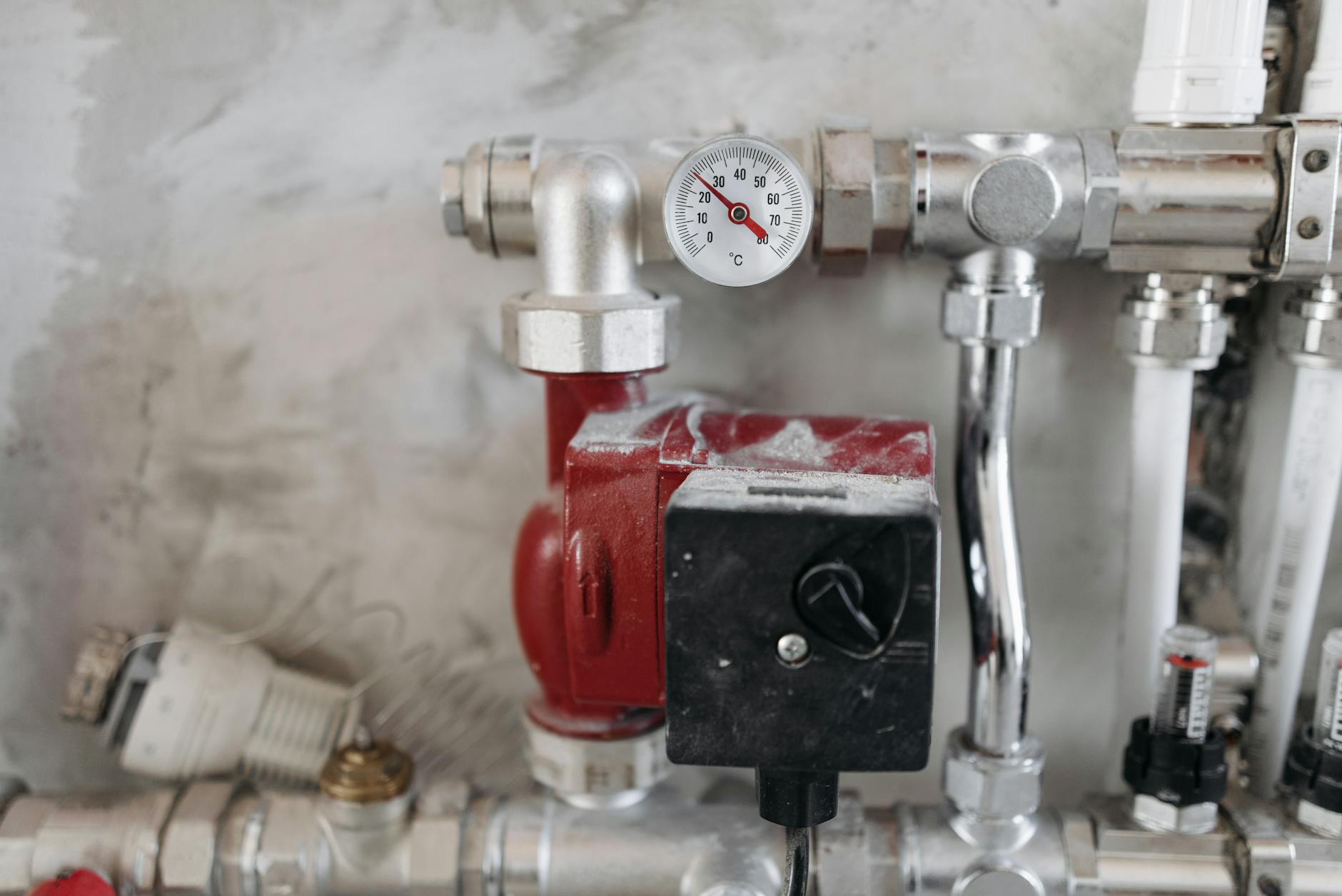
The cost of installing a new boiler in London can vary significantly, ranging from £2,000 to £6,000 or more, depending on factors such as boiler type, property size, and installation complexity. Gas combi boilers typically cost between £2,200 and £4,500, while system or regular boilers paired with an unvented hot water cylinder can range from £3,200 to £5,800. Installation costs are notably higher across Greater London due to regional labour rates, parking restrictions, and Ultra Low Emission Zone (ULEZ) operational costs incurred by tradespeople.
Additional expenses often include relocating the boiler unit, upgrading existing 15mm gas supply pipework to 22mm, or installing a magnetic system filter. Property owners should also evaluate financing models, such as 0% APR arrangements or spread-payment plans, to manage capital expenditure. It is a legal requirement under UK Building Regulations that any domestic gas boiler replacement is carried out and certified by a Gas Safe-registered engineer.
The overall price of a heating upgrade is also influenced by the condition of the broader wet central heating circuit. Chemical power flushing or MagnaClean system cleansing typically adds £350 to £750 to project invoices, ensuring that manufacturer warranty terms remain valid and that limescale buildup—common in London's hard-water regions—does not prematurely degrade the heat exchanger.
| Boiler System Type | Average London Installed Cost | Key Characteristics & Additional Costs |
|---|---|---|
| Gas Combi Boiler | £2,200 – £4,200 | Heats water on demand; ideal for 1–3 bedroom flats and terraced homes. Includes standard flue and horizontal run. |
| System Boiler (with Cylinder) | £2,800 – £4,800 | Maintains stored hot water for multiple bathrooms; requires space for an unvented cylinder (£800–£1,400 extra). |
| Regular / Conventional Boiler | £2,600 – £4,500 | Uses cold-water storage and header tanks; common in Victorian and Edwardian properties with legacy pipework. |
| Air Source Heat Pump (Alternative) | £8,000 – £14,000 | Low-carbon alternative; eligible for £7,500 government subsidy under the UK Boiler Upgrade Scheme (BUS). |
When planning a boiler replacement, property owners must weigh upfront capital against long-term fuel efficiency. Upgrading from a legacy non-condensing boiler (G-rated, below 70% efficiency) to an A-rated condensing model (92%+ seasonal efficiency) can lower domestic energy bills while reducing household carbon emissions.
Planning a heating system upgrade? Review our objective overview of heating specifications or consult certified regional technicians to evaluate technical feasibility and grant eligibility for your property.
London Labour Rates and Regional Cost Drivers
Labour rates in Greater London differ considerably from the rest of the UK. While heating engineers in northern regions typically charge £250 to £350 per day, London-based Gas Safe engineers generally charge between £400 and £650 per day. For complex boiler swaps requiring two engineers across two full working days, labour alone can account for £1,000 to £1,500 of the total invoice.
Specific geographical factors in London also influence contractor quotes:
- Congestion Charge & ULEZ Charges: Transporting plant, heavy cylinders, and materials into central London zones adds £15 daily Congestion Charge fees alongside non-compliant fleet surcharges, which contractors factor into project overheads.
- Borough Parking Permits: Securing trade parking waivers in boroughs such as Kensington and Chelsea, Westminster, Camden, or Islington can add £30 to £60 per day to administrative costs.
- Architectural Complexity: Much of London's housing stock consists of multi-storey Victorian conversions, Edwardian terraces, and purpose-built flats. Running vertical flues through pitched slate roofs or routing discharge condensation pipes through external masonry demands additional scaffolding, cherry pickers, or core drilling.
Key Boiler Types: Selection Criteria for London Dwellings
Choosing the correct heating configuration depends heavily on dwelling footprint, water pressure, and domestic usage demands:
1. Combination (Combi) Boilers
Combi units heat hot water directly from the cold mains on demand, eliminating the requirement for cold water storage lofts or hot water copper cylinders. They represent approximately 70% of replacements in London apartments and terraced homes. Leading brands such as Worcester Bosch (e.g., Greenstar series), Vaillant (ecoTEC plus), and Viessmann (Vitodens) provide compact footprints suited to standard 600mm kitchen cupboards. However, combi units may struggle to deliver simultaneous hot water across homes with more than two busy bathrooms.
2. System Boilers
System boilers incorporate the central heating pump and expansion vessel internally while relying on an external unvented hot water cylinder to supply pressurized hot water. This design delivers balanced pressure to multiple taps and thermostatic showers simultaneously, making it suitable for larger townhouses or properties with high peak demand.
3. Regular (Conventional) Boilers
Regular boilers function with cold water cisterns in the attic and a hot water cylinder in an airing cupboard. If a property retains aged radiator pipework incapable of sustaining the high working pressure of modern unvented systems, retaining a conventional boiler design avoids pipework ruptures and hidden water leaks behind finished walls.
UK Regulatory Compliance and Safety Mandates
Every domestic gas installation in England must strictly adhere to the Gas Safety (Installation and Use) Regulations 1998 and Part L (Conservation of Fuel and Power) of the Building Regulations.
Key statutory compliance elements include:
- Gas Safe Registration: Only engineers carrying an active Gas Safe register card with valid domestic gas accreditations (CCN1, CENWAT) may legally fit and commission gas appliances.
- Building Regulations Compliance Certificate: Upon commissioning, the engineer must notify the local authority via the Gas Safe Register, providing the homeowner with a Building Regulations Compliance Certificate necessary for future property conveyancing.
- Boiler Plus Standards: Introduced in 2018, Boiler Plus mandates that all gas boiler installations feature a minimum seasonal space heating efficiency of 92%, alongside programmable room thermostats and weather-compensating or load-compensating controls.
- Condensate Drainage Disposal: High-efficiency condensing boilers discharge mildly acidic condensate liquid. Under British Standard BS 6798, this pipework should ideally run internally to soil stacks to prevent freezing during cold snaps.
UK Government Grants and Boiler Financing Structures
Various government-backed initiatives and retail financial models can help London households mitigate the immediate capital requirements of a heating upgrade:
1. Boiler Upgrade Scheme (BUS)
For homeowners looking to transition entirely away from fossil fuels, the UK Boiler Upgrade Scheme offers upfront capital grants of £7,500 towards the purchase and installation of an air source heat pump or ground source heat pump. While heat pumps involve higher initial outlays and may require radiator resizing, this incentive makes low-carbon electrification competitive against high-end boiler replacements.
2. Energy Company Obligation (ECO4)
Under the ECO4 scheme, major energy suppliers fund heating infrastructure improvements for qualifying low-income or vulnerable households. Eligible properties with outdated, inefficient heating can receive full or heavily subsidised boiler replacements or heat pump upgrades.
3. Commercial Financing Structures
Many accredited installation companies offer FCA-regulated consumer credit options. Typical structures include 0% APR interest-free finance over 12 to 24 months, or interest-bearing plans spanning 3 to 10 years at rates typically ranging from 9.9% to 14.9% APR. Property owners should carefully review loan terms, early repayment penalties, and total interest payable before committing.
Warranty Conditions and Long-Term Maintenance
Reputable boiler manufacturers provide parts and labour warranties ranging from 5 to 12 years. Securing the maximum warranty duration typically requires commissioning by an accredited installer and using brand-specific system filters. Crucially, manufacturer warranties remain valid only if the heating system undergoes an annual inspection and service by a Gas Safe engineer, ensuring safe combustion parameters and efficient burner operation.
Ultimately, a successful heating installation in London balances high-efficiency equipment specifications, adherence to strict Gas Safe compliance standards, and an objective assessment of whole-life system costs.


