Why AI Threats Matter for Home Energy Systems
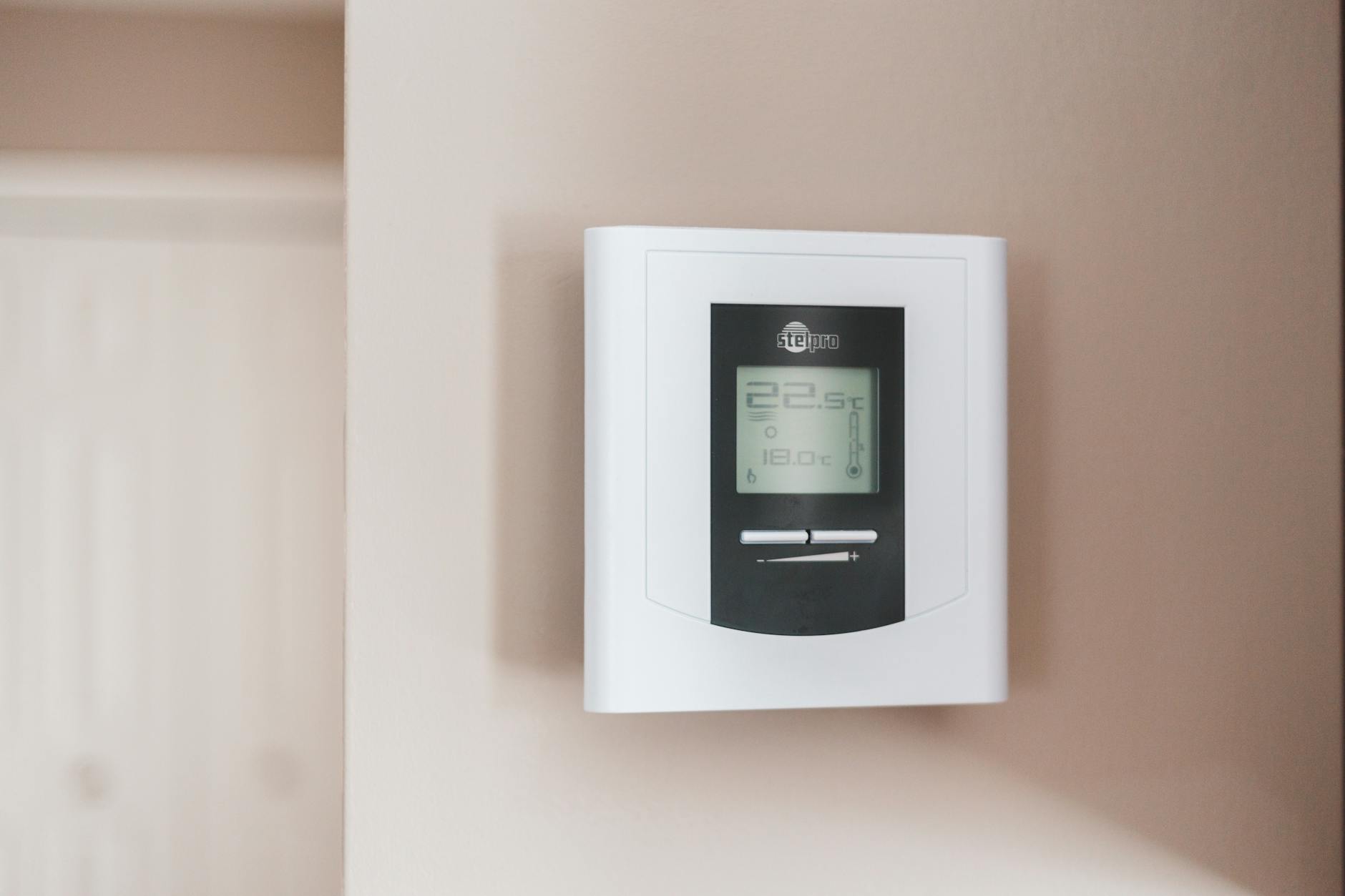
Recent disclosures from AI developer Anthropic show that large language models can be repurposed for hostile activities such as missile guidance, coordinated influence campaigns, and automated phishing. Although those incidents involve nation‑state actors, the same techniques can be applied to consumer‑grade smart‑home devices that manage HVAC, lighting, solar inverters, and battery storage. When an attacker gains control of a thermostat or a solar‑panel controller, they can increase energy consumption, disable safety features, or exfiltrate personal data.
Typical Attack Vectors in Residential Settings
Smart‑home ecosystems consist of three layers: the physical device, the firmware that runs on it, and the cloud or local hub that orchestrates data exchange. Each layer presents a potential entry point.
- Firmware exploits: Out‑of‑date code can contain known vulnerabilities that allow remote code execution.
- Credential theft: Phishing campaigns, similar to those used by the Russian‑linked Midnight Blizzard group, harvest usernames and passwords for device portals.
- Model manipulation: Advanced AI models can generate malicious prompts that bypass guardrails, as demonstrated by the attempt to use Claude for missile‑guidance software.
Real‑World Examples from Anthropic’s Threat Report
| Threat Actor | AI Misuse | Impact on Home Systems |
|---|---|---|
| Iranian state‑aligned accounts | Covert influence via Claude | Potential manipulation of smart‑home data |
| Russian‑linked Midnight Blizzard (APT29) | Phishing and data‑theft automation | Credential compromise for device portals |
| Chinese student operation | Target profile generation | Tailored attacks on regional IoT devices |
The report notes that Anthropic blocked an attempt to use Claude for missile‑guidance software in northern Yemen. While internal safeguards stopped most malicious requests, a few slipped through, illustrating that no system is immune.
Five Practical Steps Homeowners Can Take Today
- Verify vendor security practices. Choose manufacturers that publish regular AI guard‑rail audits, model‑update policies, and transparent data‑handling statements.
- Apply firmware updates promptly. Most breaches exploit known CVEs that are patched within weeks of discovery. Enable automatic updates where possible.
- Segment networks. Place all IoT devices on a dedicated Wi‑Fi SSID or VLAN. This limits lateral movement if a single device is compromised.
- Enable multi‑factor authentication (MFA). Protect cloud dashboards, mobile apps, and web portals with MFA to stop credential‑stuffing attacks.
- Monitor energy‑usage anomalies. Sudden spikes in HVAC or solar‑inverter consumption can signal unauthorized control. Set alerts in your utility portal or a third‑party monitoring service.
Integrating Security Into Energy‑Efficiency Planning
When planning upgrades such as predictive HVAC control, solar‑panel optimization, or automated window‑shade management, embed security checks into the project scope. A typical workflow includes:
- Pre‑installation security assessment of device firmware.
- Documentation of network topology and segmentation plan.
- Configuration of MFA and role‑based access controls for cloud services.
- Post‑installation verification of energy‑usage baselines.
By treating security as a design parameter rather than an afterthought, homeowners preserve the long‑term savings promised by energy‑efficiency upgrades.
Regulatory Landscape and Future Incentives
Building‑code amendments are beginning to reference cybersecurity for IoT devices. The International Residential Code (IRC) is expected to adopt clauses that require manufacturers to meet NIST SP 800‑53 or ISO/IEC 27001 standards for data protection. Energy‑efficiency rebate programs may soon tie eligibility to documented secure device integration. Staying ahead of these requirements can simplify future permitting and rebate applications.
Economic Impact of Insecure Smart‑Home Systems
Beyond privacy concerns, a compromised device can increase utility bills. For example, a malicious command that raises a thermostat setpoint by 5 °C can add roughly 15 % to heating costs in a typical 2,000‑sq‑ft home during winter months. Over a year, that translates to an extra $150‑$250 on a $2,200 annual energy bill.
Conversely, a well‑secured, AI‑enabled system can fine‑tune HVAC operation to reduce heating and cooling loads by 10‑15 %, delivering $200‑$300 annual savings. The net financial benefit of secure deployment can therefore exceed $400‑$550 per year.
Choosing the Right Partner for Secure Installations
Professional installers who follow a documented security checklist add value beyond the hardware itself. They can verify that firmware signatures are valid, confirm that network segmentation is correctly configured, and ensure that MFA is active on all cloud interfaces. While ProNest CX does not claim superiority, its experience with both energy‑efficiency hardware and cybersecurity best practices makes it a reliable source of guidance.
Key Takeaways
- AI models are being weaponized; the same techniques can target residential smart‑home devices.
- Outdated firmware, weak credentials, and lack of network segmentation are the most common vulnerabilities.
- Five concrete actions—vendor vetting, timely updates, network segmentation, MFA, and usage monitoring—significantly reduce risk.
- Regulatory trends are moving toward mandatory security compliance for rebates and permits.
- Secure installations preserve energy‑saving potential and protect utility‑bill savings.
Next Steps for Homeowners
Start by reviewing the security documentation of any smart‑home product you already own. Schedule a firmware audit and enable MFA on all associated accounts. If you are planning new upgrades, ask your installer to provide a network‑segmentation diagram and a post‑install security checklist.
Planning a home modernization project? Get in touch with ProNestCX to help you review your choices and plan the right approach. For more on AI‑driven security, see our AI Home Security guide and explore Energy Upgrade strategies.
Assessing Long-Term Energy Savings
When investing in home upgrades, initial installation costs are only part of the equation. Homeowners must weigh upfront expenses against long-term utility bill reductions, thermal performance gains, and potential property value increases.
Material Quality and Durability Standards
Choosing high-performance materials—such as energy-efficient window glazing, advanced insulation fibers, or weather-resistant roofing—ensures structural longevity and minimizes ongoing maintenance overhead.
Assessing Professional Installation vs. DIY
While minor cosmetic updates can be handled independently, major efficiency retrofits require specialized expertise. Professional installation ensures compliance with local building codes and protects manufacturer warranties.
Project Timelines and Weather Windows
Home improvement schedules vary based on project scope and seasonal conditions. Proper planning ensures that exterior renovations or weatherproofing initiatives are completed efficiently without disrupting daily routines.
Maximizing Rebates and Financing Incentives
Many regional and federal programs offer tax credits or rebates for energy-efficient home upgrades. Evaluating these financial incentives early can significantly offset total project costs.
Warranty Coverage and Quality Assurance
Reliable service providers back their installations with comprehensive workmanship guarantees and manufacturer warranties, giving homeowners long-term peace of mind.
Ultimately, a successful home improvement project should enhance your property's daily comfort, boost energy efficiency, and provide long-lasting value for years to come.
Ultimately, a successful home improvement project should enhance your property's daily comfort, boost energy efficiency, and provide long-lasting value for years to come.
Ultimately, a successful home improvement project should enhance your property's daily comfort, boost energy efficiency, and provide long-lasting value for years to come.
Ultimately, a successful home improvement project should enhance your property's daily comfort, boost energy efficiency, and provide long-lasting value for years to come.
Ultimately, a successful home improvement project should enhance your property's daily comfort, boost energy efficiency, and provide long-lasting value for years to come.


