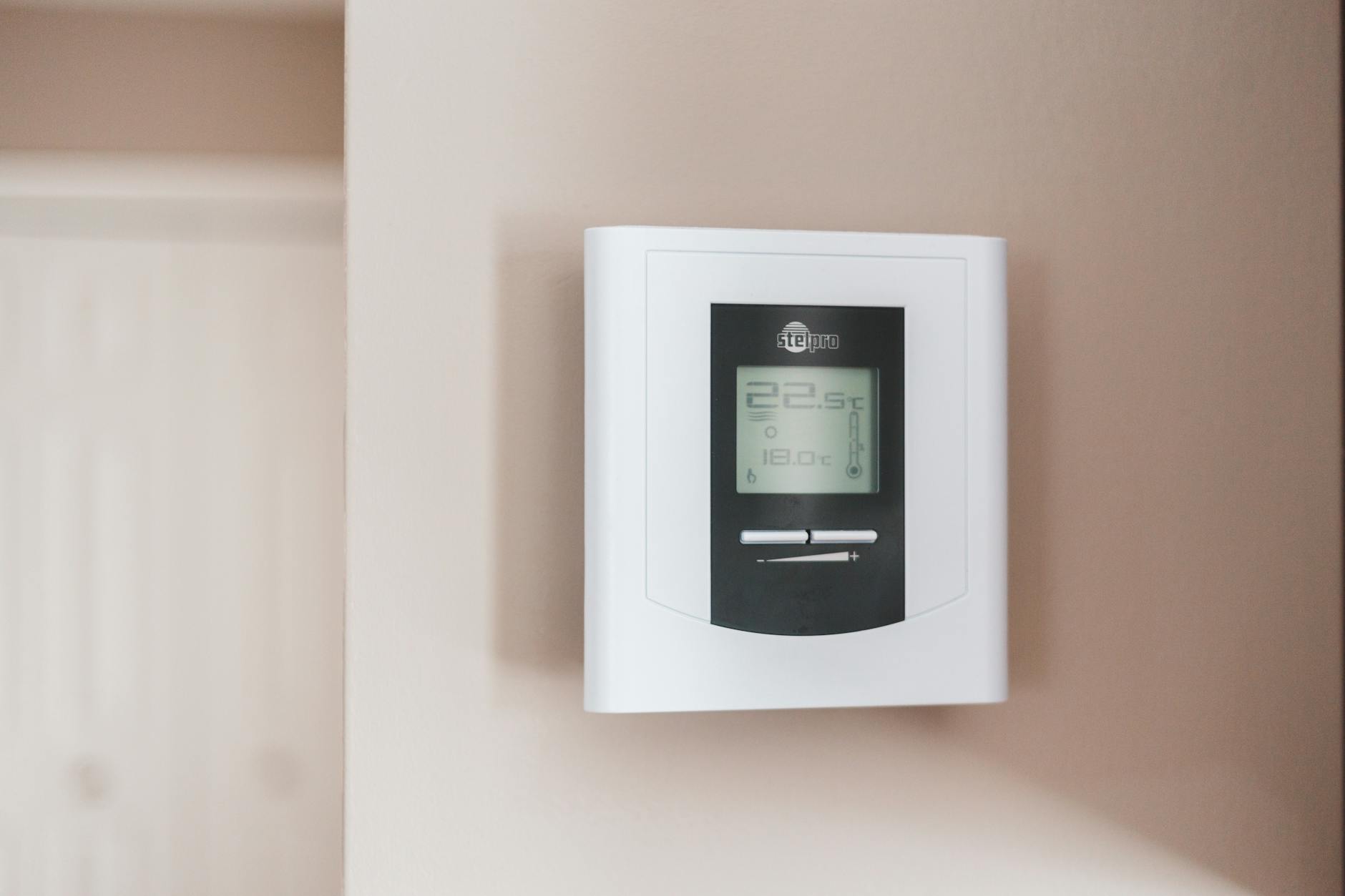
Smart thermostats can reduce heating and cooling costs by 8% to 12% annually, according to the EPA, but homeowners still evaluate whether to transition from traditional manual or programmable units. The decision extends beyond simple temperature setting; it touches on thermodynamic responsiveness, equipment lifecycle management, zoning granularity, and grid integration.
Key Architectural and Functional Differences
Traditional thermostats rely on physical bimetallic strips, basic thermistors, or rudimentary 7-day digital scheduling chips. These systems measure localized ambient air temperature at a single wall point and issue binary on/off calls to the central HVAC system or boiler plant. Because they lack predictive feedback mechanisms, traditional systems frequently suffer from thermal overshoot—heating past the setpoint—and hysteresis lag.
In contrast, smart thermostats integrate low-power microprocessors, Wi-Fi connectivity, digital temperature and humidity sensors, and software algorithms that adapt to environmental conditions. These units monitor outdoor weather patterns, structural thermal inertia, and daily household routines to adjust heating cycles proactively. Rather than firing burners at maximum output until a static threshold is hit, advanced smart platforms calculate precise ramp-up durations based on real-time heat loss coefficients.
| Feature | Traditional Thermostat | Smart Thermostat |
|---|---|---|
| Remote Access & Control | No | Yes (iOS, Android, Web) |
| Learning & Adaptation | No | Yes (Algorithmic scheduling) |
| Energy Consumption Reports | No | Yes (Detailed runtime logs) |
| Multi-Room Sensor Support | Rare / Hardwired only | Yes (Wireless Zigbee / BLE) |
| Smart Home Protocols | None | Matter, Zigbee, Z-Wave, Thread |
| Grid Demand Response | No | Yes (Automated peak shaving) |
| Initial Upfront Hardware Cost | $25 – $75 | $150 – $300 |
Thermodynamic Control Algorithms and Efficiency Gains
The primary performance gap between smart and traditional heating controls lies in how heating calls are orchestrated. Traditional electromechanical controls operate on a wide differential, often 1.5°F to 2°F above or below setpoints, leading to perceptible temperature swings and thermal stratification. When a furnace or boiler runs in long bursts to compensate for these drops, ductwork and piping experience substantial convective heat loss before conditioned air or water reaches terminal living spaces.
Smart thermostats utilize Proportional-Integral-Derivative (PID) or Time Proportioning (TPI) algorithms. By calculating how fast a room gains or loses heat under fluctuating outdoor temperatures, the system pulses heat cycles to maintain a tighter band around the target temperature (often within 0.5°F). This continuous modulation prevents wasteful overheating, mitigates short-cycling of heat pump compressors, and maintains consistent indoor thermal comfort.
Zoning, Remote Sensors, and Thermal Mapping
A classic limitation of traditional heating systems is single-point temperature sampling. If a traditional thermostat is located in a drafty hallway, a sunlit living room, or near a kitchen, the entire home is heated according to the microclimate of that single corridor. This invariably leaves upper floors uncomfortably warm and north-facing bedrooms chilly.
Smart heating architectures overcome this imbalance through wireless remote sensor networks operating over low-power wireless protocols like Zigbee, Thread, or Bluetooth Low Energy (BLE). Placing discrete sensors in high-occupancy rooms allows the thermostat to calculate weighted averages or prioritize specific spaces during designated hours. When paired with smart thermostatic radiator valves (TRVs) or motorized duct dampers, a smart controller delivers true multi-zone climate control without the expense of running physical control cabling through finished walls.
Communication Protocols and Smart Home Interoperability
Modern residential automation relies heavily on interoperability across diverse device ecosystems. Older programmable units operate entirely in isolation, requiring manual button presses whenever a schedule changes. Smart heating controllers, however, integrate directly into comprehensive home energy management systems.
Support for universal standards such as Matter and Thread enables smart thermostats to communicate natively with occupancy sensors, smart window blinds, and regional weather stations without vendor lock-in. For advanced setups, integration with local home automation platforms like Home Assistant via MQTT or native local APIs eliminates reliance on external cloud servers, ensuring instant response times and safeguarding user privacy. For example, if a contact sensor detects an open window in an upstairs bedroom during winter, the system can automatically suspend heating to that zone or throttle the central boiler, stopping unnecessary thermal loss instantly.
Electrical Compatibility, C-Wire Physics, and Voltage Profiles
Before transitioning to a smart heating framework, evaluating electrical compatibility with the existing HVAC infrastructure is essential. Heating systems generally fall into two distinct voltage classifications:
- Low-Voltage Systems (24V AC): Standard in forced-air gas furnaces, conventional heat pumps, central air conditioning units, and modern hydronic boilers. Most commercially available smart thermostats are designed natively for 24V infrastructure.
- Line-Voltage Systems (120V – 240V): Typically found in electric baseboard heaters, radiant ceiling panels, and electric fan-forced convectors. Installing a low-voltage smart thermostat on a line-voltage circuit will cause catastrophic hardware failure. Homeowners with line-voltage heating require dedicated high-voltage smart controllers or external 24V relay transformers.
Another critical technical consideration is the common wire, or "C-wire." Traditional mechanical thermostats function as simple switches across dry contacts, drawing zero quiescent power. In contrast, modern smart controllers maintain active Wi-Fi radios, color displays, and continuous microprocessing routines, drawing steady current. In older two-wire installations (R and W), some smart thermostats employ "power stealing"—drawing minute electrical current through the heat control circuit while the system is dormant. This parasitic draw can introduce false call voltages, causing sensitive control boards on modern high-efficiency boilers or gas furnaces to chatter, lock out, or prematurely blow internal circuit fuses. Resolving this requires running dedicated 18/5 or 18/8 multi-conductor cabling, installing an external 24V plug-in transformer, or mounting an add-a-wire isolation module at the furnace control board.
Dual-Fuel Balance Points and Equipment Maintenance Cycles
Smart heating controllers deliver clear operational advantages when paired with modern variable-capacity inverter heat pumps and dual-fuel configurations. In hybrid arrangements combining an electric heat pump with an auxiliary gas furnace, defining the exact thermal and economic balance points is critical. Traditional thermostats rely solely on indoor temperature drop, frequently triggering auxiliary electric resistance heat strips—the most expensive method of domestic heating—whenever the setpoint is raised more than two degrees at once. This behavior, known as "striker overshoot," inflates winter utility bills unnecessarily.
Smart thermostats solve this inefficiency by monitoring real-time outdoor temperature data alongside utility rate schedules. Installers configure the controller to lock out supplemental electric resistance heat above 35°F to 40°F, allowing the high-efficiency heat pump compressor extra recovery time. During sub-freezing weather when heat pump coefficient of performance (COP) drops below economic parity, the smart system seamlessly shifts primary operation to the natural gas or propane furnace. This algorithmic balance ensures optimal operating efficiency without sacrificing domestic warmth or overworking mechanical components.
Furthermore, continuous diagnostic telemetry provides real-time visibility into equipment degradation. By logging cycle duration trends, airflow static pressure changes via delta-T tracking, and filter runtime hours, smart controllers alert homeowners to restricted airflow before heat exchangers overheat or blower motors undergo thermal stress, significantly extending mechanical service life.
Economic Analysis and Payback Timelines
A comparative financial analysis demonstrates the long-term economic trajectory of smart versus traditional heating controls:
- Upfront Investment: A traditional non-programmable or 7-day thermostat costs approximately $25 to $75, with straightforward DIY installation. Smart thermostats average $150 to $300 per unit, plus an additional $35 to $50 per room sensor.
- Energy Reductions: A typical home spending $1,400 annually on space heating can reasonably anticipate 8% to 12% in thermal energy savings through automated setback scheduling, occupancy detection, and weather adaptation. This translates to an estimated $110 to $170 in annual savings.
- Amortization Period: The direct payback period for a smart thermostat generally ranges between 1.5 and 2.5 years. When regional utility rebates and grid demand-response enrollment credits are applied, that timeline can drop to under 12 months.
Additionally, smart thermostats can offer significant long-term savings through their ability to optimize heating cycles based on real-time data. For instance, a smart thermostat can learn from your daily routines and adjust heating schedules accordingly, further reducing energy consumption. This adaptive learning capability can lead to additional savings of 5-10% over the lifespan of the thermostat.
Grid Flexibility, Rebate Structures, and Demand Response
Beyond individual bill reduction, smart heating plays an active role in regional grid modernization. Electric utilities encounter severe demand spikes during extreme cold snaps when hundreds of thousands of heating systems run concurrently. Traditional thermostats cannot respond to these broader network pressures.
Many municipal and investor-owned electric utilities offer upfront equipment rebates ranging from $50 to $100 for purchasing qualified smart thermostats. In addition, automated demand response initiatives—such as local utility Flex Thermostat programs across regional areas like Fort Collins, Loveland, Longmont, and Estes Park—provide ongoing bill credits. During peak load events, the thermostat receives a coordinated signal to pre-condition the living space by 1°F to 2°F before peak hours, followed by a gentle demand reduction while regional load peaks. Participating households receive recurring seasonal financial incentives while contributing directly to electrical grid stability.
Considering a heating control upgrade? Consult with an energy advisor to assess your wiring compatibility, equipment voltage, and seasonal operational requirements.
Learn more about home energy upgrades and thermal performance improvements.
Explore heating and insulation services near you.
Selecting the Right Heating Control Strategy
While smart thermostats provide measurable efficiency gains, they are not universally necessary for every living situation. For unheated outbuildings, infrequently occupied cabins without persistent internet connections, or homes utilizing simple single-stage wood pellet stoves, a robust mechanical thermostat remains an affordable, low-maintenance option.
Conversely, for modern multi-zone residences, homes equipped with dual-fuel heat pump systems, or households with fluctuating schedules, smart heating controls deliver actionable energy telemetry, steady room-to-room comfort, and quantifiable operating cost reductions over the lifespan of the heating equipment.


