Improving a home's Energy Performance Certificate (EPC) rating is a key goal for homeowners seeking lower energy bills, better resale value, and compliance with regulations. The EPC rating system, ranging from A (most efficient) to G (least efficient), evaluates a property's energy efficiency based on insulation, heating systems, windows, and renewable energy use.
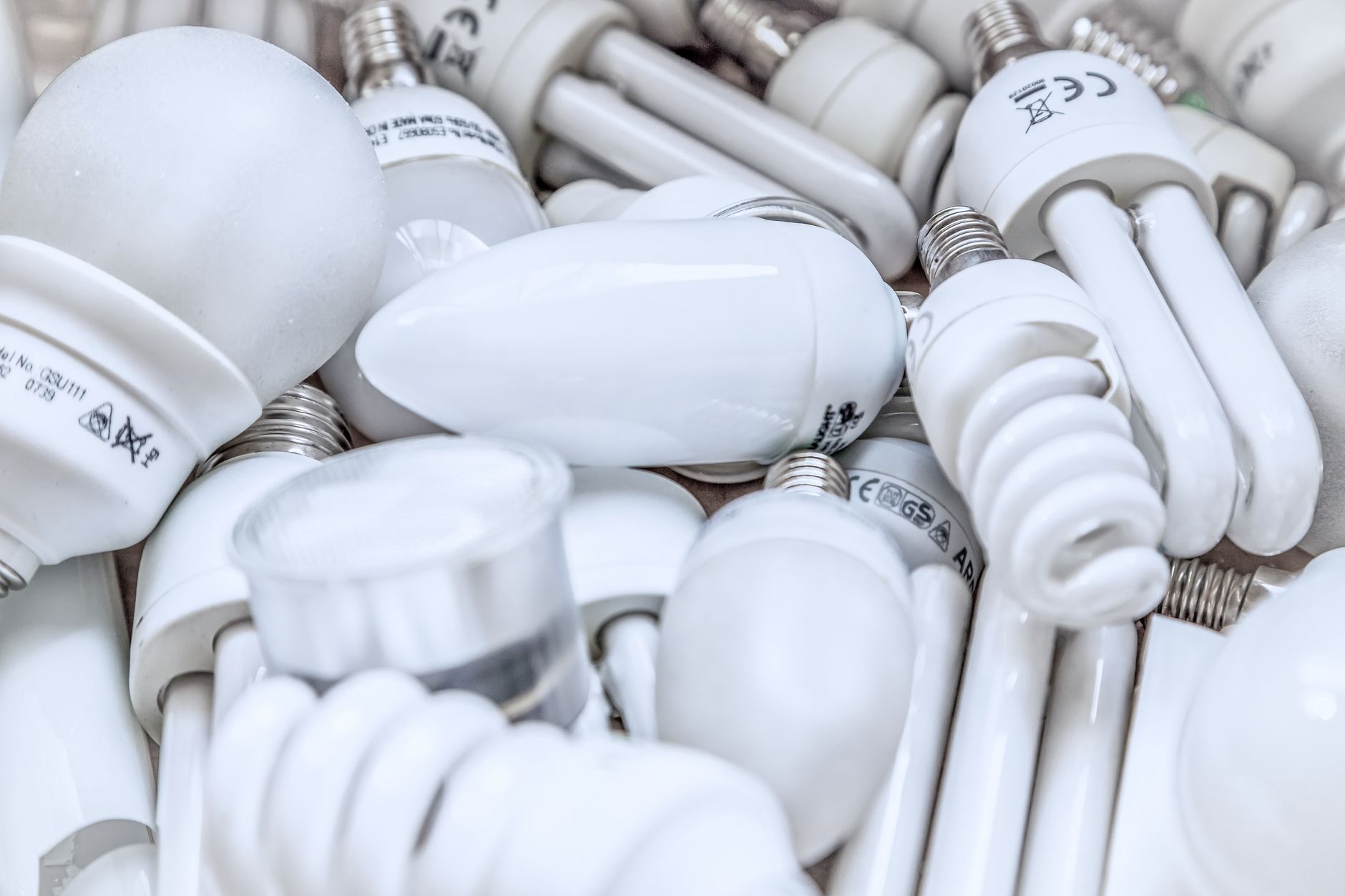
According to the Energy Performance Certificate (EPC) guidelines, upgrading a home's EPC rating can be achieved through a range of improvements, categorized by cost and impact. Quick wins under £100 include switching to LED lighting, draught-proofing doors and windows, and optimizing heating controls. These measures can yield small but positive EPC gains, especially if the home still has outdated systems.
For a more significant boost, budget improvements between £100 and £1,000, such as topping up loft insulation or insulating hot water cylinders, can add 5–10 SAP points, potentially moving the property up a band. Mid-range upgrades (£1,000–£5,000) like cavity wall insulation or upgrading to double glazing can deliver 10–15 SAP points, while major renovations (£5,000+) such as installing a new efficient gas boiler, an air source heat pump, or solar PV panels can transform a G–E property into a C–B home.
Key EPC-Improving Home Upgrades
| Improvement | Cost Range | SAP Points |
|---|---|---|
| LED lighting | Under £100 | Small gain |
| Draught-proofing | Under £100 | Small gain |
| Heating controls | Under £100 | Small gain |
| Loft insulation top-up | £100-£1,000 | 5-10 |
| Hot water cylinder insulation | £100-£1,000 | 5-10 |
| Cavity wall insulation | £1,000-£5,000 | 10-15 |
| Double glazing | £1,000-£5,000 | 5-15 |
| New efficient gas boiler | £5,000+ | 10-40 |
| Air source heat pump | £5,000+ | 10-40 |
| Solar PV panels | £5,000+ | Environmental impact |
The most cost-effective improvements per EPC point include loft insulation top-ups, cavity wall insulation, draught-proofing, and heating controls. However, the best value depends on the property's specific needs, as recommended by the EPC report. Grants and funding, such as the ECO4 scheme and the Boiler Upgrade Scheme, can further reduce costs.
For landlords, compliance with EPC requirements is crucial, with proposals suggesting that all private rented homes in England and Wales must reach EPC C by 2030. The government's Warm Homes Plan includes a £10,000 per-property cost cap for compliance.
Assessing Long-Term Energy Savings
When investing in home upgrades, initial installation costs are only part of the equation. Homeowners must weigh upfront expenses against long-term utility bill reductions, thermal performance gains, and potential property value increases.
Material Quality and Durability Standards
Choosing high-performance materials—such as energy-efficient window glazing, advanced insulation fibers, or weather-resistant roofing—ensures structural longevity and minimizes ongoing maintenance overhead.
Assessing Professional Installation vs. DIY
While minor cosmetic updates can be handled independently, major efficiency retrofits require specialized expertise. Professional installation ensures compliance with local building codes and protects manufacturer warranties.
Project Timelines and Weather Windows
Home improvement schedules vary based on project scope and seasonal conditions. Proper planning ensures that exterior renovations or weatherproofing initiatives are completed efficiently without disrupting daily routines.
Maximizing Rebates and Financing Incentives
Many regional and federal programs offer tax credits or rebates for energy-efficient home upgrades. Evaluating these financial incentives early can significantly offset total project costs.
Warranty Coverage and Quality Assurance
Reliable service providers back their installations with comprehensive workmanship guarantees and manufacturer warranties, giving homeowners long-term peace of mind.
Planning a home modernization project? Consider consulting with a professional to help you review your choices and plan the right approach.
Ultimately, a successful home improvement project should enhance your property's daily comfort, boost energy efficiency, and provide long-lasting value for years to come.


