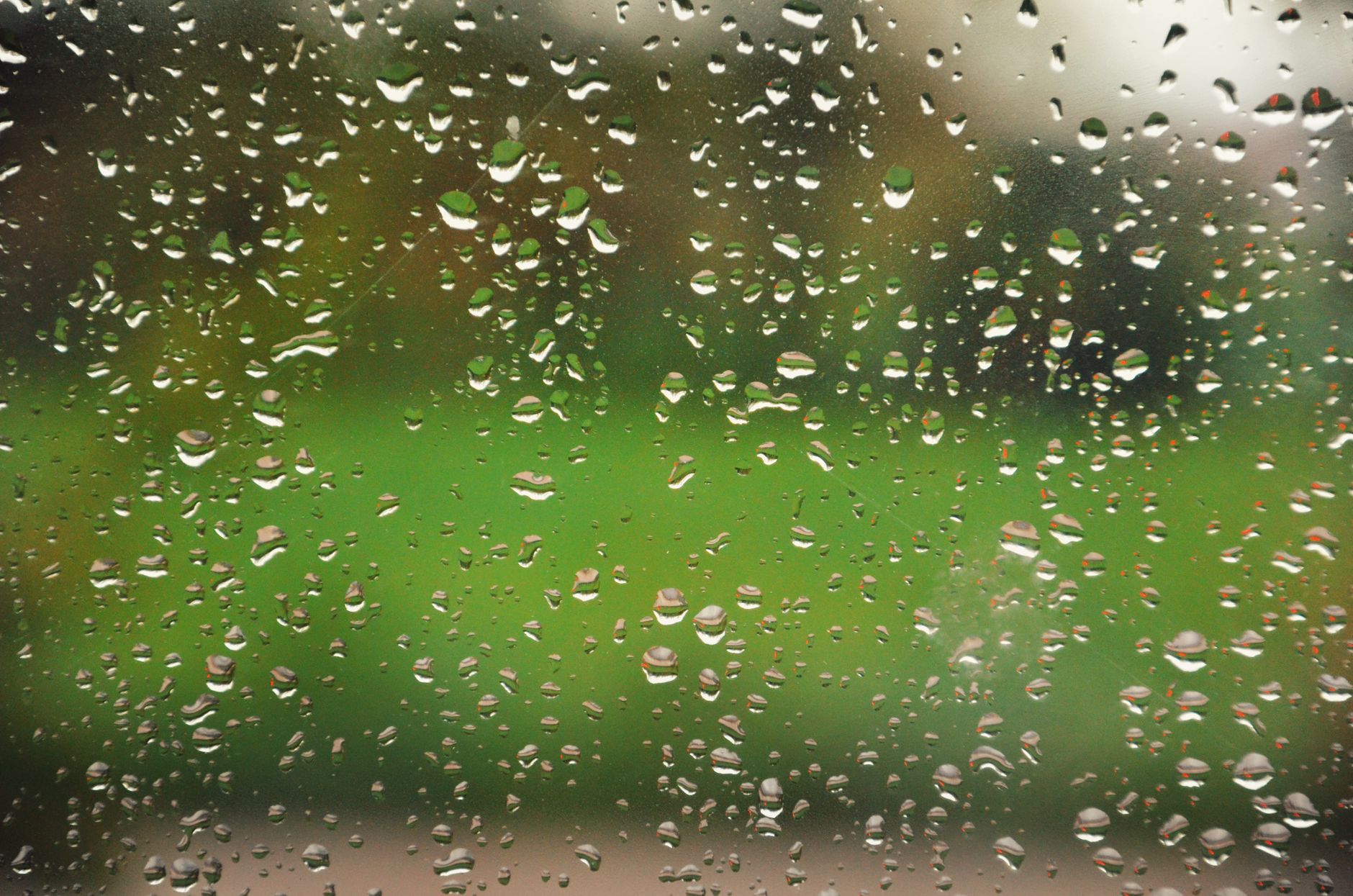
Condensation appears when warm, humid indoor air meets a cooler surface and drops below its dew point, leaving droplets on windows, walls, or attic framing. The phenomenon is a clear sign that moisture generation outpaces the home’s ability to move or absorb that moisture.
Why Moisture Accumulates Inside a Home
Every day, routine activities release water vapor: cooking, showering, laundry, and even breathing. According to the U.S. Department of Energy, a family of four can produce up to 1.5 gallons of moisture per day. When ventilation is insufficient, that vapor raises indoor relative humidity (RH) above the 60 % threshold that ASHRAE advises for comfort and mold prevention.
How Temperature Differentials Trigger Droplets
When humid air contacts a surface that is cooler than the surrounding air—such as a double‑pane window, an exterior wall, or an under‑insulated attic—the surface temperature may fall below the air’s dew point. The excess moisture then condenses into liquid water, creating visible streaks, fogged mirrors, or damp spots on walls.
Consequences of Unchecked Condensation
- Growth of mold and mildew, which can degrade indoor air quality.
- Wood rot and structural damage over time.
- Higher heating and cooling loads because damp surfaces lose heat faster.
Measuring the Problem
Use a hygrometer to track indoor RH. When readings consistently exceed 60 %, investigate sources of excess moisture and look for cold spots with an infrared thermometer. The dew‑point calculator can translate RH and temperature into the exact temperature at which condensation will form.
Improving the Building Envelope
A well‑insulated, air‑tight envelope reduces temperature differentials and limits the amount of warm air that reaches cold surfaces. The Building Performance Institute reports that homes with at least R‑38 attic insulation and R‑13 wall insulation experience 30‑40 % fewer condensation incidents.
| Climate Zone | Recommended Attic R‑value | Expected Condensation Reduction |
|---|---|---|
| 1‑2 (Warm) | R‑30 | 15‑20 % |
| 3‑4 (Mixed) | R‑38 | 30‑40 % |
| 5‑7 (Cold) | R‑49 | 45‑55 % |
Low‑E, double‑pane windows raise interior glass temperature by up to 15 °F, dramatically cutting the risk of window condensation.
Ventilation Strategies That Work
Mechanical ventilation—such as heat‑recovery ventilators (HRVs) or energy‑recovery ventilators (ERVs)—exchanges indoor air with fresh outdoor air while retaining heat. Energy Star notes that HRVs can lower heating costs by up to 20 % while keeping RH below 60 %.
Exhaust fans in bathrooms and kitchens should be sized for at least 50 CFM per 100 ft². A 2023 HomeAdvisor survey found that 68 % of homeowners with functional exhaust fans reported no bathroom mirror condensation.
Three‑Step Condensation‑Free Home Checklist
- Identify and seal air leaks. Conduct a blower‑door test and apply caulk, weatherstripping, or spray foam to gaps around windows, doors, and penetrations.
- Upgrade insulation. Meet or exceed local code R‑values—R‑38 for attics, R‑13 for walls in most climates. Consider spray‑foam or cellulose for hard‑to‑reach cavities.
- Install or improve ventilation. Add an HRV/ERV, ensure bathroom and kitchen exhaust fans are operational, and verify that vent ducts are properly sealed.
Materials That Resist Hidden Moisture
Use vapor‑permeable housewrap to allow walls to dry outward, and install moisture‑resistant drywall (green board) in high‑humidity areas. Proper flashing around windows and roof penetrations prevents water intrusion that can masquerade as condensation.
Regulatory Guidance and Incentives
Check local building codes for minimum R‑values and ventilation rates (ASHRAE 62.2). Many states offer rebates for ENERGY STAR‑qualified insulation and HRV/ERV systems; homeowners should verify eligibility with their utility provider before starting a project.
Long‑Term Benefits of a Dry Home
Beyond eliminating droplets, a dry envelope improves comfort, reduces utility bills, and extends the lifespan of structural components. The combined effect of better insulation, airtightness, and balanced ventilation creates a resilient, energy‑efficient home.
Not sure which insulation upgrade offers the best fit for your home? Reach out to our advisors to discuss thermal performance options, explore our insulation options, and review ventilation solutions for your project.
Assessing Long-Term Energy Savings
When investing in home upgrades, initial installation costs are only part of the equation. Homeowners must weigh upfront expenses against long-term utility bill reductions, thermal performance gains, and potential property value increases.
Material Quality and Durability Standards
Choosing high-performance materials—such as energy-efficient window glazing, advanced insulation fibers, or weather-resistant roofing—ensures structural longevity and minimizes ongoing maintenance overhead.
Assessing Professional Installation vs. DIY
While minor cosmetic updates can be handled independently, major efficiency retrofits require specialized expertise. Professional installation ensures compliance with local building codes and protects manufacturer warranties.
Project Timelines and Weather Windows
Home improvement schedules vary based on project scope and seasonal conditions. Proper planning ensures that exterior renovations or weatherproofing initiatives are completed efficiently without disrupting daily routines.
Maximizing Rebates and Financing Incentives
Many regional and federal programs offer tax credits or rebates for energy-efficient home upgrades. Evaluating these financial incentives early can significantly offset total project costs.
Warranty Coverage and Quality Assurance
Reliable service providers back their installations with comprehensive workmanship guarantees and manufacturer warranties, giving homeowners long-term peace of mind.
Ultimately, a successful home improvement project should enhance your property's daily comfort, boost energy efficiency, and provide long-lasting value for years to come.
Ultimately, a successful home improvement project should enhance your property's daily comfort, boost energy efficiency, and provide long-lasting value for years to come.
Ultimately, a successful home improvement project should enhance your property's daily comfort, boost energy efficiency, and provide long-lasting value for years to come.
Ultimately, a successful home improvement project should enhance your property's daily comfort, boost energy efficiency, and provide long-lasting value for years to come.
Ultimately, a successful home improvement project should enhance your property's daily comfort, boost energy efficiency, and provide long-lasting value for years to come.


